British Steel Enters Public Ownership as Government Secures Scunthorpe Plant
 Published By
Henry
Published By
Henry
Published:
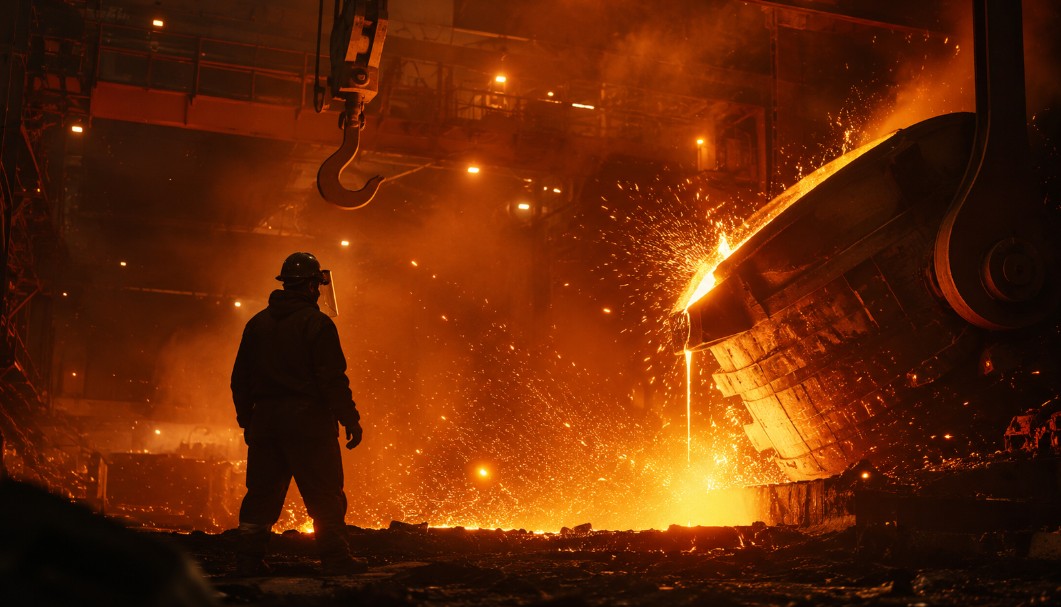
The government has completed its takeover of British Steel, protecting the UK’s last primary steelmaking site and about 2,700 Scunthorpe jobs, while leaving major decisions on compensation, modernisation and the company’s long-term ownership unresolved.
British Steel entered public ownership on Thursday, 16 July, after ministers concluded that nationalisation was necessary to protect domestic steel production, critical infrastructure and national security.
The transfer took effect immediately through regulations signed by Industry Minister Chris McDonald after the Steel Industry (Nationalisation) Act received Royal Assent on 15 July. The change means the government is now British Steel’s legal owner, rather than simply directing its operations.
Ministers had exercised operational control over the company since April 2025, when its Chinese owner, Jingye Group, was preparing to close the two blast furnaces at Scunthorpe. The intervention preserved approximately 2,700 direct jobs and kept open the UK’s last site capable of producing virgin steel from iron ore and coking coal.
Prime Minister Keir Starmer said the decision would protect skilled employment and safeguard “a vital national capability”. Business Secretary Peter Kyle said: “British Steel now belongs to the British people,” adding that the immediate focus would be stabilising the company and developing a competitive, lower-carbon future.
British Steel has come under public ownership after the government moved to “protect UK steelmaking”.
Business Secretary Peter Kyle spoke to #BBCBreakfast from Scunthorpe where the company employs roughly 2,700 people and has been dogged by uncertainty over recent years… pic.twitter.com/ZerS74sPVw
— BBC Breakfast (@BBCBreakfast) July 16, 2026
What Public Ownership Changes?
A new team of non-executive directors is being appointed to oversee production, health and safety and plans for a commercially sustainable business. The government has not ruled out private investment later, meaning the announcement does not necessarily establish permanent state ownership.
Jingye’s potential compensation also remains undecided. The legislation requires an independent valuer to determine whether any payment is due, with regulations establishing the compensation scheme expected in autumn 2026. Jingye had not publicly responded to the takeover by Thursday morning.
The cost to taxpayers is already substantial. A government statement to Parliament said about £555 million had been provided for working capital by 18 June, covering expenses including raw materials and wages. A subsequent Lords debate said costs were expected to exceed £642 million by the end of June at the prevailing spending rate.
Kyle estimated on Thursday that approximately £640 million had been spent and said the business was costing more than £1 million a day to operate. The figures are not directly comparable: £555 million was the confirmed amount provided by 18 June, while the higher sum was a later estimate of the continuing intervention.
Why the Decision Matters for London?
Although the jobs protected are concentrated in Scunthorpe, the consequences extend to London’s transport and construction supply chains. British Steel is a principal supplier of rails to Network Rail and also produces steel for construction and automotive customers.
No immediate changes to a named London project, rail service or construction timetable were announced. The practical significance for the capital is instead the government’s attempt to retain a domestic source of material used across transport networks and major infrastructure, reducing exposure to overseas supply disruptions and price shocks.
The takeover sits alongside the government’s wider steel strategy, which aims for as much as half of the steel used in the UK to be produced domestically. Ministers have also reduced tariff-free import quotas by 51% as part of efforts to protect UK producers from global overcapacity and cheaper imports.
Public ownership has therefore prevented an immediate shutdown, but it has not settled British Steel’s future. The next tests will be the independent compensation process, the new board’s modernisation proposals and decisions over the investment required to move Scunthorpe towards lower-carbon production.
About the Journalist
Henry is the editorial head and lead author at Londoner. He oversees the publication’s editorial direction, article quality, source verification and corrections process. He also reviews major stories before publication to ensure they meet Londoner’s standards for accuracy, fairness and transparency.