Martin Lewis Flight Cancellation Advice: Why Passengers Should Think Before Taking A Refund?
 Published By
Ben
Published By
Ben
Published:
Updated:
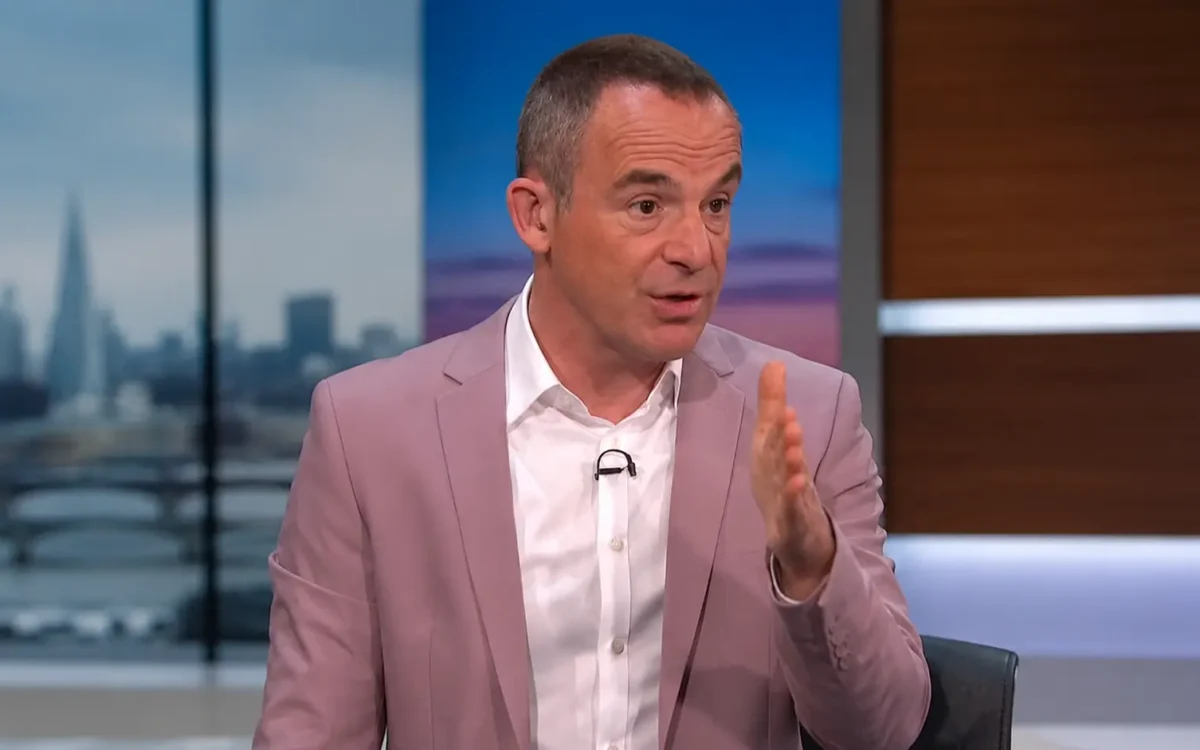
Passengers whose flights are cancelled can choose their money back or an alternative journey. However, accepting a refund normally ends the airline’s duty to provide rerouting, meals and accommodation.
Passengers flying through Heathrow, Gatwick, Stansted, Luton or London City are being warned not to automatically accept a refund when an airline cancels their flight.
MoneySavingExpert’s flight cancellation guide, most recently updated on 23 July 2026, says travellers are entitled to choose between a replacement flight and a refund. The Civil Aviation Authority’s current summer guidance is more explicit: passengers who still need to travel should not select a refund because they will no longer be entitled to rerouting or continuing care.
The choice can be difficult to reverse. The CAA says passengers are unlikely to be able to change their minds after committing to one of the options offered by the airline.
The warning updates the date and figures in earlier advice. An older ITV appearance by Martin Lewis referred to EU rules and compensation of about £550, but the UK’s retained post-Brexit passenger-rights regime pays fixed compensation in pounds, with a current maximum of £520 per person.
The issue is not widely understood. CAA research found that only one in 10 passengers felt fully informed about their rights during flight disruption, while 45 per cent were dissatisfied with the way their delay or cancellation was first communicated.
Refund Or Rerouting: Passengers Must Choose
When a covered flight is cancelled, the airline must offer three options: a refund, rerouting at the earliest opportunity, or an alternative flight on a later date chosen by the passenger, subject to seat availability.
Travellers who still need to reach their destination will usually be better protected by choosing rerouting. The replacement does not necessarily have to be on the original carrier. The CAA expects airlines to consider seats on another airline when that would reduce the disruption.
Passengers should ask the cancelling airline to arrange the replacement rather than immediately purchasing another ticket themselves. Where the carrier cannot be contacted or fails to offer a reasonable alternative, travellers may book their own replacement as a last resort, but should retain screenshots, messages and evidence that the fare was reasonably priced.
Those choosing rerouting are entitled to care while they wait. This can include reasonable meals and refreshments, communication assistance and, where an overnight stay is required, hotel accommodation and transport between the airport and the hotel.
These duties apply regardless of whether the cancellation was caused by the airline or by an extraordinary event such as severe weather or an air traffic control decision. If the carrier cannot provide assistance directly, passengers can pay reasonable costs themselves and request reimbursement. Itemised receipts should be kept, while luxury hotels, alcohol and excessive spending are unlikely to be covered.
A refund is intended for passengers who no longer wish to travel. It should normally be paid within seven days, although bookings made through an online travel agent or another third party may take longer to process. Accepting it ends the right to an alternative flight and care connected with waiting for that replacement.
When compensation of up to £520 may be due?

Compensation is separate from a refund or replacement flight. A passenger can receive rerouting or a refund and still qualify for a fixed payment if the cancellation was announced less than 14 days before departure and was within the airline’s responsibility.
Payments range from £110 to £520 per passenger, depending on the flight distance, the amount of notice provided and how much earlier or later the proposed replacement journey departs and arrives. A family of four could therefore receive as much as £2,080 for an eligible long-haul cancellation.
Routine crew shortages and many technical problems may support a claim. The Supreme Court has also ruled that the unexpected sickness of a pilot was not an extraordinary circumstance, finding that staff illness is part of the normal activity of running an airline.
Severe weather, air traffic control restrictions, airport or border-staff strikes, security risks and political unrest are more likely to be treated as extraordinary circumstances. Fixed compensation may not be payable in those cases, but the rights to a refund or rerouting—and care while waiting for a replacement—remain.
Every flight departing from a UK airport is covered by UK passenger-rights law, regardless of the carrier. An inbound flight to the UK is covered when operated by a UK or EU airline, while a UK airline’s flight into the EU is also included. For codeshares, the airline actually operating the aircraft is the relevant carrier.
Claims should first be submitted directly to the airline using its online form or complaints process. Passengers should provide their booking reference, flight number, travel date, cancellation notice, the reason given by the carrier and copies of receipts.
If a claim is rejected, the airline should explain why. Travellers may then use an approved alternative dispute resolution scheme where the carrier belongs to one. The CAA’s complaints team may consider eligible cases involving airlines outside an ADR scheme after the passenger has complained in writing, although the regulator cannot impose a settlement.
The decision made immediately after a cancellation is therefore crucial: passengers who still intend to fly should ask for rerouting and preserve their right to care, rather than accepting a refund simply because it is the first option displayed.
About the Journalist
Ben covers business, transport and global developments for Londoner. His reporting focuses on London’s economy, major companies, infrastructure, public transport and international stories that may affect people and businesses across the capital. He explains complex developments clearly using reliable sources and relevant context.