DVSA Rolling Out MOT Photos At 2,500 Garages From 3 August
 Published By
Ben
Published By
Ben
Published:
Updated:
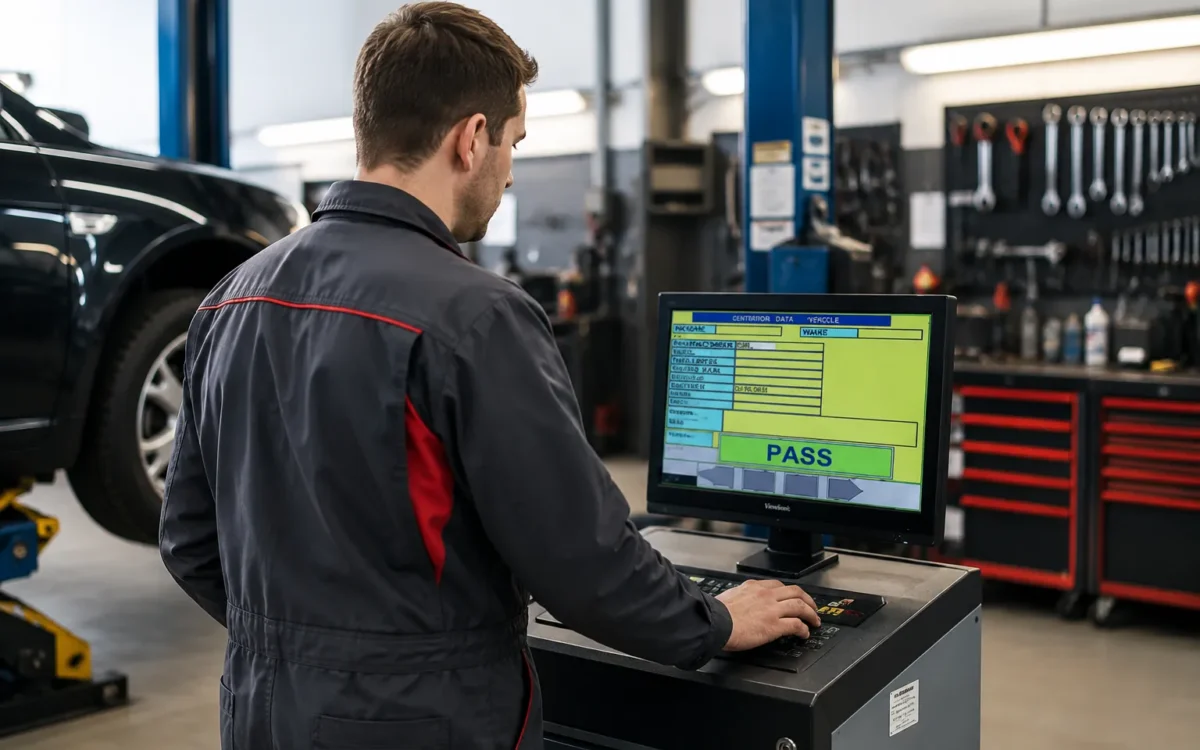
London motorists could see their vehicles photographed during MOT tests as the DVSA expands a fraud-prevention system across Great Britain. The photo step will initially remain optional and will not replace any part of the inspection.
The Driver and Vehicle Standards Agency is rolling out MOT photos at around 2,500 garages from Monday, 3 August 2026, as part of efforts to stop certificates being issued for vehicles that were never presented for inspection.
Selected MOT testers in England, Scotland and Wales will be able to photograph a vehicle at the time of its test and upload the image directly to its digital MOT record. The first phase includes garages across Great Britain, although the DVSA has not published a list of participating locations.
For London drivers, the change should require no additional action. The photograph is an administrative check for garages and does not alter the components examined, the pass-and-fail standards or the validity of the MOT result.
Crucially, taking a photograph will be optional during the initial rollout. A tester who cannot upload an image will be able to select a reason and continue recording the result. The DVSA is encouraging garages to use the feature while it considers making photographs mandatory at a later stage.
How Does The MOT Photo System Work?
Testers can register the vehicle, take the photograph and complete the test using a compatible smartphone or tablet. Garages that begin tests on a desktop computer can instead scan a QR code with a mobile device, take the picture and send it to the relevant MOT record.
No separate application is required. The DVSA says photographs are uploaded directly to the MOT testing service and are not stored in the phone or tablet’s camera roll. Authorised examiners and site managers will be able to see whether an image was submitted or why one was not provided through existing test logs.
The system is being introduced gradually so the agency can monitor performance, usage and any disruption to garages. Businesses not selected for the first phase do not need to make changes immediately and are expected to receive access during a later stage.
Connectivity and equipment remain potential issues. The DVSA has advised garages to check internet access, device compatibility, browser permissions and local network restrictions if photographs cannot be uploaded.
Photos Designed To Deter ‘ghost MOTs’
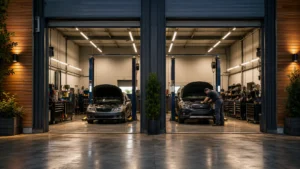
The main target is the so-called “ghost MOT”, in which a certificate is recorded despite the vehicle not being physically present for a proper test. The DVSA has previously said this type of offence accounts for nearly 80% of fraudulent MOT activity.
A photograph provides additional evidence that the correct vehicle attended the testing station. It can also help prevent records being entered against the wrong registration, although the image does not replace the mechanical and safety inspection itself.
The rollout follows two trials involving 311 garages. During the first six-week trial, more than 13,000 photographs were uploaded by testers at 62 sites, including independent businesses, dealership groups and council testing stations. Among the ten busiest participants, the upload success rate reached 90.2% by the end of the first week.
That trial found the average initial test time at the busiest garages remained at 40 minutes. Average retest time increased from seven to nine minutes, prompting further work on technical barriers. The DVSA later said feedback from both trials suggested the process generally had little or no effect on overall testing times.
The first-phase launch begins five days after the special notice was published on 29 July. Further phases will be reviewed as the rollout continues, but the DVSA has not confirmed a date on which photographs will become compulsory at every MOT garage.
About the Journalist
Ben covers business, transport and global developments for Londoner. His reporting focuses on London’s economy, major companies, infrastructure, public transport and international stories that may affect people and businesses across the capital. He explains complex developments clearly using reliable sources and relevant context.