Argentina’s FIFA 2030 Tournament Spot Was Confirmed in 2024 – Not After the Latest Row
 Published By
Olivia
Published By
Olivia
Published:
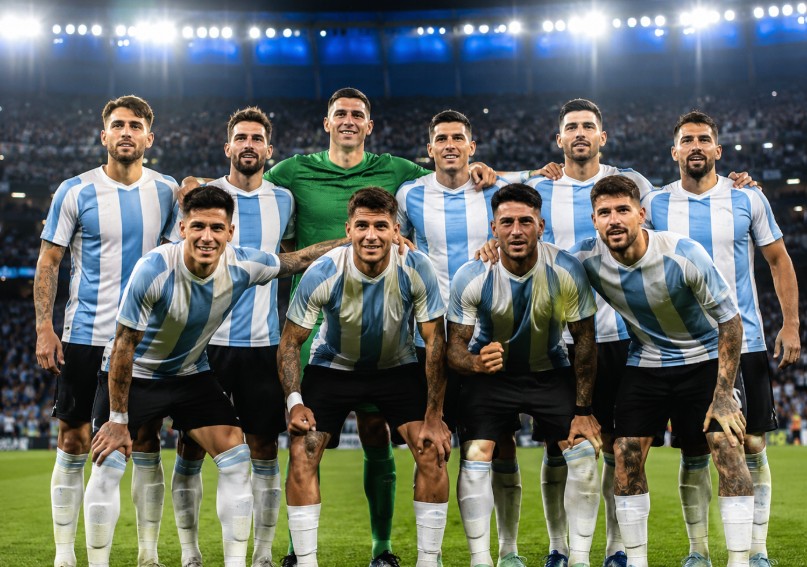
Argentina will qualify automatically for the 2030 World Cup despite staging only one match. However, the place is not a new concession following the 2026 tournament: it was settled when FIFA approved its unprecedented six-country hosting plan.
Argentina already have a guaranteed place at the 2030 World Cup because the country is officially part of the tournament’s centenary celebration, FIFA has confirmed.
The Argentina FIFA 2030 tournament spot has attracted renewed attention following the national team’s defeat by Spain in the 2026 final and a widely reported online campaign calling for Argentina to be excluded from future competitions.
Recent headlines have presented the automatic place as a new development. In fact, FIFA’s plan dates from October 2023 and was formally approved by its member associations at an Extraordinary FIFA Congress on 11 December 2024, well before the latest controversy.
Why Did Argentina Qualify Despite Hosting One Match?

The 2030 World Cup will have six host nations across three continents.
Spain, Portugal and Morocco will stage most of the competition. Argentina, Paraguay and Uruguay will each hold one centenary celebration match, marking 100 years since the inaugural World Cup was played in Uruguay in 1930.
FIFA’s official tournament guidance states that all six countries will qualify automatically. That means Argentina will not take part in the usual South American qualifying competition, even though only one fixture is scheduled to be played on Argentine soil.
It is an unusual arrangement. Previous World Cups have had one, two or three co-hosts, but FIFA’s 2030 plan stretches across Europe, Africa and South America.
The governing body said the proposal was supported by every continental confederation and was intended to combine the centenary celebration with its system of rotating tournaments between regions. The hosting appointments were approved by acclamation among FIFA’s 211 member associations.
Argentina’s position is therefore based on its status as a centenary host, rather than its performance in 2026, its world ranking or any recent communication from FIFA president Gianni Infantino.
Reports about a leaked congratulatory letter from Infantino have appeared alongside coverage of the automatic berth. However, the 2030 qualification decision predates that reported letter by more than a year.
Online Petition Has No Authority Over FIFA Decision

The renewed argument followed reports that an online campaign titled “Argentina Out” had attracted more than 23 million signatures from 170 countries.
Its organisers accused FIFA and match officials of favouring Argentina during the 2026 World Cup and demanded the country’s permanent exclusion. FIFA rejected claims of refereeing bias, while the petition did not form part of any official disciplinary or governance process.
An online petition cannot by itself remove a national association from a FIFA competition. Any suspension, expulsion or change to Argentina’s qualification status would require formal action under FIFA’s statutes and disciplinary procedures.
No such decision affecting Argentina’s 2030 place has been announced. The approved position remains that Argentina, Uruguay, Paraguay, Spain, Portugal and Morocco will all participate automatically.
One part of the tournament remains open to possible change. CONMEBOL president Alejandro Domínguez has proposed expanding the centenary World Cup to 64 teams, following the first 48-team edition in 2026. FIFA had not approved or publicly adopted that proposal as of 27 July 2026.
Unless FIFA revises its hosting decision, Argentina will enter the 2030 tournament without qualifying and will stage one of the three South American centenary matches. The remaining schedule, competition format and qualification allocations are expected to be developed closer to the tournament.
About the Journalist
Olivia covers London life, culture and lifestyle for Londoner. Her work includes food, shopping, neighbourhood trends, attractions, local experiences and practical guides for residents and visitors. She focuses on engaging stories that reflect everyday life across the capital.