HMRC Personal Allowance Allocation Changes: What Workers With Multiple Incomes Need To Know?
 Published By
Olivia
Published By
Olivia
Published:
Updated:

Table of Contents
HMRC has clarified how the Personal Allowance is allocated when a person has more than one job, pension or other taxable income source.
The change does not create a new tax allowance and does not increase the amount people can earn tax-free. For the 2026/27 tax year, the standard Personal Allowance remains £12,570 for most eligible taxpayers.
The important issue is where HMRC applies that allowance.
For someone with one PAYE job, the process is usually straightforward. However, taxpayers with two jobs, several pensions, temporary employment or changing income can sometimes find that their allowance has been attached to the wrong source.
HMRC will normally use the allowance against the employment paying the most. If that job earns less than £12,570, some of the unused allowance may be allocated elsewhere.
Key points include:
- One Personal Allowance Normally Applies Across All Income
- HMRC Usually Uses It Against The Highest-Paying Job
- Unused Allowance May Be Applied To Another Employment
- Taxpayers Can Ask HMRC To Review How It Is Split
- Second Jobs May Carry BR, D0 Or D1 Tax Codes
- Incorrect Income Estimates Can Affect Tax Deductions
- PAYE Records Can Usually Be Corrected During The Tax Year
This matters because even when the correct amount of tax is eventually calculated, an incorrect allocation can affect monthly take-home pay.
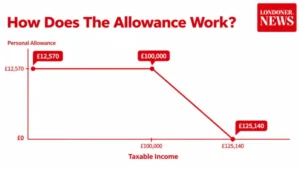
How Does The Allowance Work?
The Personal Allowance is the amount of taxable income most people can receive before Income Tax becomes payable.
For 2026/27:
| Tax Rule | Amount |
| Standard Personal Allowance | £12,570 |
| Monthly Equivalent | £1,048 |
| Weekly Equivalent | £242 |
| Taper Starts | £100,000 |
| Allowance Reaches Zero | £125,140 |
Many PAYE employees are given the standard 1257L tax code.
The allowance is normally spread across the tax year rather than allowing a worker to earn the full £12,570 tax-free at the beginning of the year.
Tax codes can also include adjustments for items such as benefits from employment, previous underpaid tax or additional income. This means a tax code different from 1257L is not necessarily incorrect.
Having Two Jobs
People with two jobs do not receive two Personal Allowances.
HMRC considers total taxable income and normally places the allowance against the job expected to pay the most.
For example:
- Main Job: £30,000
- Second Job: £8,000
- Combined Income: £38,000
The main job might use 1257L, while the second job could use BR.
BR generally means that the earnings from that job are taxed at the basic rate without another Personal Allowance being deducted.
This arrangement helps prevent the same £12,570 allowance being applied twice, which could otherwise result in a tax underpayment at the end of the year.
Workers should therefore check the tax codes across all jobs together, rather than assuming a second-job tax code is wrong because it does not contain 1257L.
Splitting The Allowance
HMRC can sometimes divide the Personal Allowance between different employments.
This is particularly useful when a person’s main job does not pay enough to use the whole £12,570 allowance.
For example:
- Job One: £8,000
- Job Two: £7,000
- Total Income: £15,000
The first job could use £8,000 of the Personal Allowance, leaving £4,570 unused.
That remaining £4,570 could potentially be applied to the second job, leaving only £2,430 taxable.
Without an appropriate split, tax might initially be deducted from the second job even though part of the taxpayer’s Personal Allowance remains unused elsewhere.
Taxpayers who believe this is happening can ask HMRC to review the allocation.
When Splitting Goes Wrong?
Splitting the allowance works best where earnings are predictable.
Problems can arise for people whose income changes frequently, including:
- Zero-Hours Workers
- Seasonal Employees
- Agency Workers
- People Working Overtime
- Workers With Several Part-Time Jobs
HMRC often relies on estimated annual earnings when calculating tax codes.
If a job expected to pay £6,000 ends up paying £11,000 because of extra shifts, an allowance split based on the original figure may no longer produce the correct tax result.
People with variable earnings should therefore check their estimated annual income when circumstances change substantially.
This can reduce the chance of receiving a surprise tax bill after the end of the year.
Second-Job Tax Codes
Several tax codes are commonly seen where someone has more than one source of PAYE income.
- BR Tax Code means income from that employment is generally taxed at the basic rate.
- D0 generally means all income from that source is taxed at the higher rate.
- D1 generally means all income from that source is taxed at the additional rate.
These codes are often used because the taxpayer’s Personal Allowance and lower tax bands are already being used against other income.
For example, someone with a high salary from their main job may legitimately receive a D0 code on an additional employment.
The correct code therefore depends on combined income, not simply how much the second job pays.
Starting A New Job
Starting a second job can temporarily complicate PAYE records.
When an employee keeps their first job, they will usually not have a P45 to give the new employer. Instead, the new employer may ask them to complete a starter checklist.
Answering this correctly is important.
If the worker incorrectly states that the new employment is their only job, HMRC could initially allocate another Personal Allowance to it.
That may result in too little tax being collected.
Workers should check their new tax code once the first few payslips arrive and make sure HMRC shows both employments correctly.
Leaving A Job
An old job can also cause problems if HMRC’s records continue to treat it as active.
For example, part of the Personal Allowance might remain allocated to an employment that has already ended.
This can leave less allowance available against a current job and reduce take-home pay.
Taxpayers should check:
- Whether Previous Jobs Are Shown As Ended
- Which Employer Holds The Main Allowance
- Estimated Pay For Each Employment
- Whether Any Duplicate Employments Appear
- Whether A New Tax Code Has Been Issued After Leaving
Correcting an old employment record can prompt HMRC to recalculate the PAYE position.
Temporary Workers
Temporary and seasonal workers are subject to the same Personal Allowance rules.
A person could work for four different employers in one year and earn £5,000 from each. They would not receive four separate £12,570 allowances.
HMRC looks at overall annual taxable income.
Short-term workers can sometimes pay too much tax because each employment is initially processed using limited information about previous earnings.
Keeping P45 documents and checking PAYE records after changing jobs can help ensure income from earlier employments is correctly taken into account.
Jobs And Side Hustles
Someone with employment income and self-employed income still normally has only one Personal Allowance.
The allowance is usually first reflected through PAYE employment.
Taxable profits from self-employment are then considered as part of the person’s wider Income Tax position.
The £1,000 trading allowance may also be relevant for qualifying trading income, but it is separate from the £12,570 Personal Allowance.
People should also remember that tax is normally based on self-employed profit rather than simply the money received from customers, subject to the applicable accounting and expense rules.
Those earning more than £1,000 in gross trading income should check whether Self Assessment registration is required.
High Earners
Not everybody receives the full £12,570 Personal Allowance.
Once adjusted net income exceeds £100,000, the allowance is reduced by £1 for every £2 above that level.
It disappears completely at £125,140.
This can catch people who have several income sources.
For example, someone might earn £95,000 from employment but also receive £12,000 from another taxable source.
Their combined position could push them into the Personal Allowance taper.
This is why taxpayers should consider their total income rather than looking only at their main salary.
Tax Refunds
If too much tax has been collected because the Personal Allowance was incorrectly allocated, HMRC can normally correct the position.
HMRC may eventually issue a P800 tax calculation showing whether a person:
- Paid The Correct Tax
- Is Due A Refund
- Owes Additional Tax
However, taxpayers should not automatically wait until after the tax year if something is clearly wrong.
Updating an income estimate, correcting an employment record or reporting that a job has ended may allow HMRC to issue a revised code earlier.
Any new code should then be passed electronically to the relevant employer through PAYE.
What To Check?
People with several income sources should regularly check the information HMRC holds.
The most useful checks are:
- Employment Records: Confirm current and previous employers are recorded correctly.
- Estimated Income: Compare HMRC’s figure with what you realistically expect to earn.
- Main Tax Code: Check which job is using the Personal Allowance.
- Second-Job Codes: Make sure BR, D0 or D1 makes sense based on total annual income.
- Unused Allowance: If the main job pays less than £12,570, consider whether some allowance could be used elsewhere.
- Recent Changes: Review your tax position after starting a job, leaving employment, reducing hours or taking on extra work.
Payslips should also be kept because they show the tax code actually being used by each employer.
What It Means For Taxpayers?
The HMRC personal allowance allocation changes are mainly about ensuring the existing Personal Allowance is applied correctly when people have more complicated income arrangements.
The standard allowance remains £12,570 for 2026/27, but where HMRC places it can significantly affect how much tax is deducted each month.
People with multiple jobs, pensions, temporary work or changing earnings should pay particular attention to their PAYE records.
Checking tax codes, employment details and estimated income during the year can help identify problems sooner, reduce unnecessary tax deductions and lower the risk of an unexpected underpayment later.
About the Journalist
Olivia covers London life, culture and lifestyle for Londoner. Her work includes food, shopping, neighbourhood trends, attractions, local experiences and practical guides for residents and visitors. She focuses on engaging stories that reflect everyday life across the capital.