Spending Pension Before ISA: Experts Explain The Tax Implications As Major 2027 Changes Approach
 Published By
Ben
Published:
Updated:
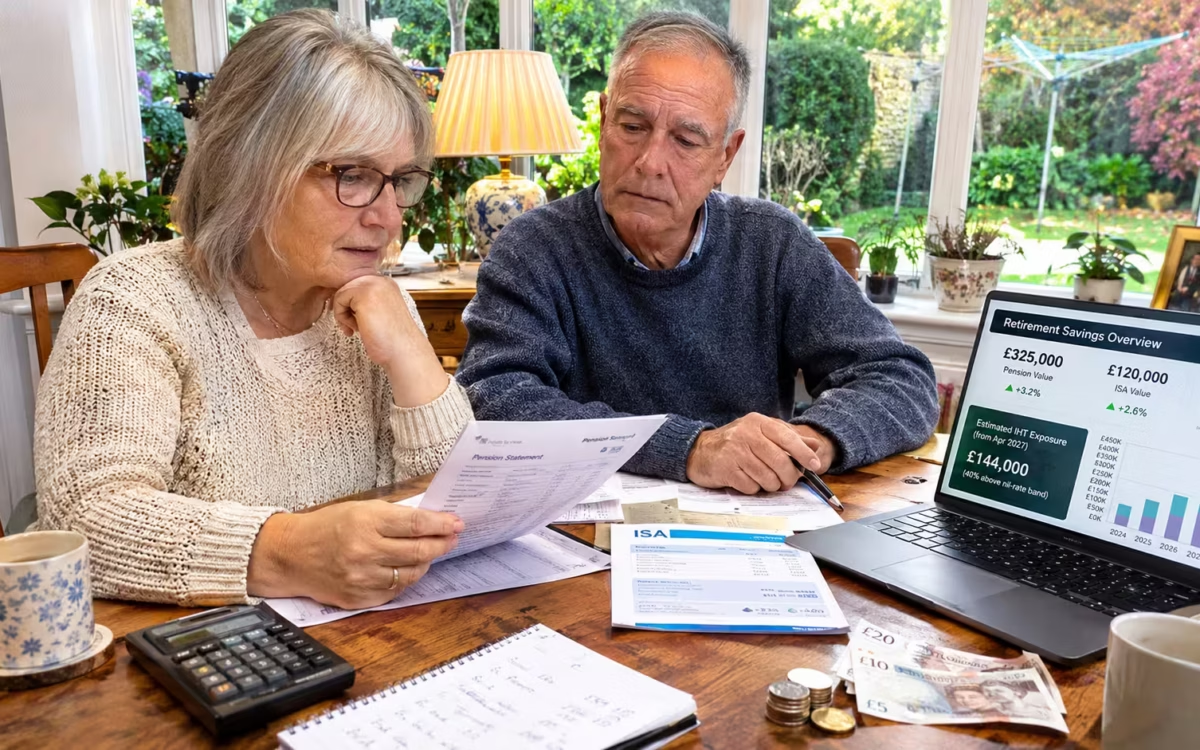
Table of Contents
Millions of UK retirement savers are being encouraged to reconsider how they withdraw money from pensions and Individual Savings Accounts (ISAs), as significant inheritance tax reforms approach and the government’s latest Autumn Budget reshapes the savings landscape.
The question of spending pension savings before ISA investments has become increasingly important for retirees who want to reduce their tax exposure, maintain financial security and protect the wealth they eventually pass to their families.
Traditionally, many financial advisers recommended withdrawing money from ISAs first while leaving pension funds invested for as long as possible. This approach offered important inheritance tax advantages because most unused pension funds were generally excluded from the value of a deceased person’s estate.
However, that strategy is facing renewed scrutiny.
From 6 April 2027, most unused pension funds and pension death benefits will become part of an individual’s estate for inheritance tax purposes, potentially exposing more families to the standard 40% inheritance tax rate.
The reforms were legislated through the Finance Act 2026 and remain scheduled to take effect next April.
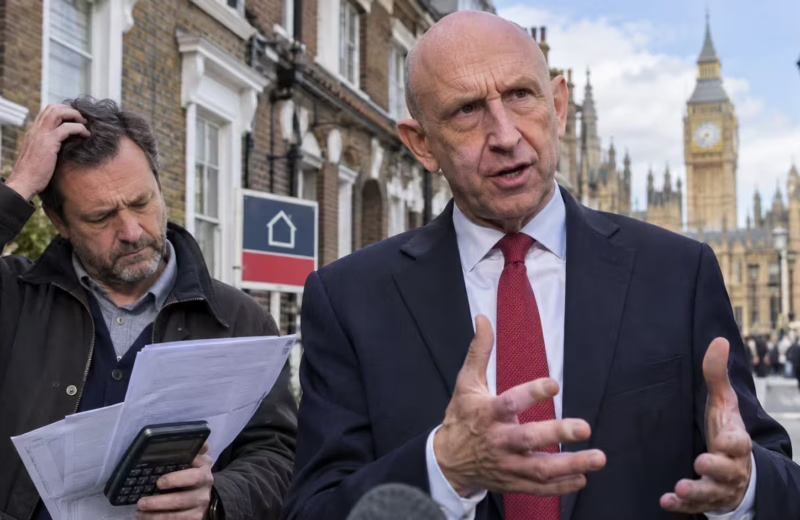
Meanwhile, Chancellor John Healey’s Autumn Budget on 28 October 2026 reversed a planned reduction in the cash ISA allowance, maintaining the £20,000 annual limit for savers of all ages.
These developments are prompting an important question: Could spending pension money before touching ISA savings now be a more tax-efficient retirement strategy?
Financial specialists suggest that it can be beneficial in certain circumstances, particularly for retirees with substantial pension savings, but withdrawing pension money too quickly could generate unnecessary income tax liabilities.
Why Are Experts Reconsidering Spending Pensions Before ISAs?
The biggest factor changing retirement withdrawal strategies is the approaching inheritance tax reform.
Under the arrangements generally applying before April 2027, many pension holders could leave unused pension funds to their beneficiaries without those funds becoming part of their inheritance-taxable estate.
This made pensions particularly attractive for people who had sufficient money elsewhere to cover their retirement expenses.
ISA savings, by comparison, normally formed part of an individual’s estate for inheritance tax purposes, even though withdrawals, investment growth and interest earned inside the accounts were tax-free during the saver’s lifetime.
From April 2027, the difference in inheritance tax treatment will narrow considerably.
According to HMRC estimates, approximately 10,500 estates are expected to become liable for inheritance tax for the first time in 2027–28, while a further 38,500 estates could face increased bills.
The government’s published modelling also suggests an average additional inheritance tax liability of approximately £34,000 among affected estates. These projections do not fully account for changes in savers’ behaviour.
However, the reforms do not mean every pension will automatically incur a 40% tax charge.
Inheritance tax generally applies to the chargeable portion of estates exceeding the available allowances.
The standard inheritance tax nil-rate band is £325,000, with an additional residence nil-rate band of up to £175,000 available where qualifying conditions are met.
Married couples and civil partners may be able to combine transferable allowances, potentially passing on up to £1 million without inheritance tax, depending on their circumstances.
Transfers between spouses and civil partners also generally remain exempt.
This means that the decision to spend pension savings before ISAs should depend on the size of an individual’s estate, their family circumstances and the amount of taxable income they already receive.
Rachel Vahey, Head of Public Policy at AJ Bell, addressed the issue in an expert response published on 8 October 2026.
She explained:
“Moving money from a SIPP into a Stocks and shares ISA will not, by itself, solve an IHT problem.”
Vahey’s analysis highlights an important distinction that could prevent retirees from making expensive financial decisions.
Moving money from a pension into an ISA does not automatically remove that money from inheritance tax calculations. Both types of assets will normally be included in the estate under the forthcoming rules.
However, spending pension money on living expenses, retirement activities, or other genuine personal needs can reduce the amount remaining in the estate.
For some households, this could make drawing down pension wealth earlier more attractive than it was under the previous inheritance tax arrangements.
There is another important consideration.
Pension money can often remain within a tax-efficient pension arrangement after being inherited, whereas ISA savings inherited by someone other than a spouse or civil partner generally lose their ISA protection.
Consequently, preserving a pension may still benefit certain families even after the inheritance tax changes.
What Are the Tax Implications of Spending Pension Money Before an ISA?
The main complication is that pension withdrawals and ISA withdrawals are taxed differently.
Money withdrawn from an ISA is normally free of UK income tax, regardless of the individual’s other earnings.
Pension withdrawals are more complicated.
Under current pension rules, individuals can generally withdraw up to 25% of eligible pension savings tax-free, subject to the standard lump sum allowance of £268,275 unless they have relevant protections.
The remaining pension funds are normally subject to income tax when withdrawn.
This means that spending pension money first could create a higher immediate tax bill if withdrawals push a retiree into a higher income tax bracket.
For example, consider someone withdrawing £20,000 from an uncrystallised defined contribution pension using the usual 25% tax-free and 75% taxable split.
They could receive £5,000 tax-free, while the remaining £15,000 would count towards their taxable income.
If the entire taxable amount falls within the 20% basic-rate band, the income tax would be approximately £3,000, leaving £17,000 after tax.
By comparison, withdrawing £20,000 from an existing ISA would generally provide the full £20,000 without income tax.
This illustration assumes the pension withdrawal is eligible for the 25% tax-free treatment and that the taxable element is entirely within the basic-rate band. Individual results may differ substantially.
For retirees already receiving the State Pension, occupational pensions or investment income, larger pension withdrawals could push total taxable income into the 40% or 45% bands in England, Wales and Northern Ireland. Scottish income tax bands differ.
However, spending pension money first can also offer a tax advantage in the right circumstances.
A person retiring before State Pension age who has little other taxable income might be able to use their annual Personal Allowance against taxable pension withdrawals.
The standard Personal Allowance for 2026–27 is £12,570, although it can be reduced for higher earners.
By combining withdrawals from pensions and ISAs, some retirees may use otherwise wasted income tax allowances while avoiding unnecessary higher-rate tax.
In an August 2026 retirement planning analysis for Fidelity International, personal finance writer Jemma Slingo examined the changing relationship between pensions, ISAs and inheritance tax.
She observed:
“Unfortunately, there isn’t a neat answer to this.”
Her analysis emphasised that retirement withdrawal decisions depend on factors including the beneficiary’s tax position, the individual’s age at death and the tax treatment of their existing savings.
This also matters because beneficiaries who inherit pension savings following a death at age 75 or older will generally pay income tax when accessing those funds.
From April 2027, inheritance tax may also arise. HMRC’s legislation includes provisions to ensure that pension benefits used to pay inheritance tax are not also taxed as pension income, but the remaining inherited benefits can still attract income tax.
For wealthier households, these interacting charges may significantly influence whether preserving pension savings remains the most effective strategy.
Another potential consequence of withdrawing taxable pension income is the Money Purchase Annual Allowance.
Certain flexible pension withdrawals trigger a reduced annual allowance for future tax-relieved defined contribution pension savings, currently £10,000.
That could particularly affect people who continue working, run a business or intend to make additional pension contributions after starting withdrawals.

How Has the Autumn Budget Changed the ISA Tax Position?
The Autumn Budget delivered an important development for people considering keeping more of their retirement savings inside ISAs.
On 28 October 2026, Chancellor John Healey announced that the previously proposed reduction in the cash ISA allowance from £20,000 to £12,000 would not proceed.
Instead, the £20,000 annual cash ISA limit will be maintained from April 2027 for adults of all ages.
The decision provides greater flexibility for retirees who want to continue holding accessible, tax-free savings while drawing income from their pension arrangements.
The Budget also announced higher rates of income tax on savings interest held outside tax-protected accounts.
From April 2027, the basic, higher and additional rates on taxable savings income are scheduled to increase to 24%, 44% and 49%, respectively.
These increases will not apply to income or gains that remain protected within qualifying ISAs.
For pensioners holding substantial cash deposits outside ISAs, the changes could strengthen the appeal of maintaining tax-efficient savings.
However, there is a crucial difference between transferring pension money into an ISA and spending pension savings directly.
An individual can withdraw pension money and contribute eligible funds to an ISA, provided they satisfy the relevant ISA rules and allowance restrictions.
But the pension withdrawal itself may trigger income tax, and the ISA contribution does not reverse that liability.
Similarly, money held in an ISA normally remains part of the individual’s estate for inheritance tax purposes.
For this reason, transferring pension savings into an ISA should not be confused with reducing an estate’s value through spending or qualifying gifts.
The government has also announced a new Pensions Tax Allowance for eligible individuals over State Pension age from April 2027, designed to address the interaction between the State Pension and frozen income tax thresholds.
This adds another consideration for retirees calculating the most efficient balance between taxable pension withdrawals and tax-free ISA income.
Helen Morrissey, Head of Retirement Analysis at Hargreaves Lansdown, examined the implications of the Autumn Budget in commentary published on 29 October 2026.
Discussing inheritance tax planning and retirement security, she highlighted the need to assess personal financial circumstances before making significant decisions.
She wrote:
“The priority is to make sure that you have enough money to live well.”
Her analysis also identified gifting and existing inheritance tax exemptions as potential planning considerations.
For individuals who have accumulated more pension wealth than they expect to spend, gifting money to family members may form part of a broader inheritance tax strategy.
The standard annual inheritance tax gifting exemption is £3,000, and larger outright gifts may fall outside an estate after seven years, provided the relevant conditions are satisfied.
Certain regular gifts made from surplus income may qualify for a separate exemption, subject to strict requirements.
Nevertheless, withdrawing a large pension lump sum solely to make a gift can create an immediate income tax charge.
The eventual tax saving therefore needs to be measured against the cost of withdrawing the money, the individual’s future living requirements and the possibility of additional expenses later in retirement.
Healthcare, inflation, long-term care and market volatility are all factors that may affect how much retirement wealth someone needs to retain.
The approaching reforms do not necessarily mean retirees should empty their pensions or preserve every pound inside their ISAs.
Instead, the combination of pension income taxation, inheritance tax exposure and tax-free ISA withdrawals makes a carefully balanced approach increasingly important.
Someone with a modest estate and significant taxable retirement income may still find that spending ISA savings first is the more efficient option.
Another retiree with a substantial estate, unused income tax allowances and beneficiaries facing higher-rate income tax could benefit from drawing pension savings gradually.
For households approaching retirement, spreading pension withdrawals across several tax years may also help avoid pushing income into a higher tax band in a single year.
With the pension inheritance tax changes taking effect on 6 April 2027, the coming months represent an opportunity for savers to review their retirement income arrangements rather than make rushed withdrawals.
The central message emerging from the latest expert commentary is that pensions remain valuable retirement savings vehicles, while ISAs continue to offer accessible tax-free withdrawals and investment growth.
Spending pension money before ISA savings may reduce lifetime or inheritance-related tax exposure for some households, but it is not a universal solution.
The most appropriate approach will depend on the individual’s tax position, future spending requirements, inheritance plans and the rules in force when withdrawals are made.
For retirees considering substantial changes, regulated financial advice can help establish whether the potential tax benefits justify the immediate withdrawal costs and longer-term financial risks.
““Spending pension money before ISA savings may reduce tax exposure for some households, but it is not a universal solution.””
— Ben, Londoner Editorial
About the Journalist
Ben covers business, transport and global developments for Londoner. His reporting focuses on London’s economy, major companies, infrastructure, public transport and international stories that may affect people and businesses across the capital. He explains complex developments clearly using reliable sources and relevant context.