Princess Kate’s Family Support: Carole Middleton Praised As ‘Solid as a Rock’ During Royal Family’s Toughest Times
 Published By
Henry
Published:
Updated:
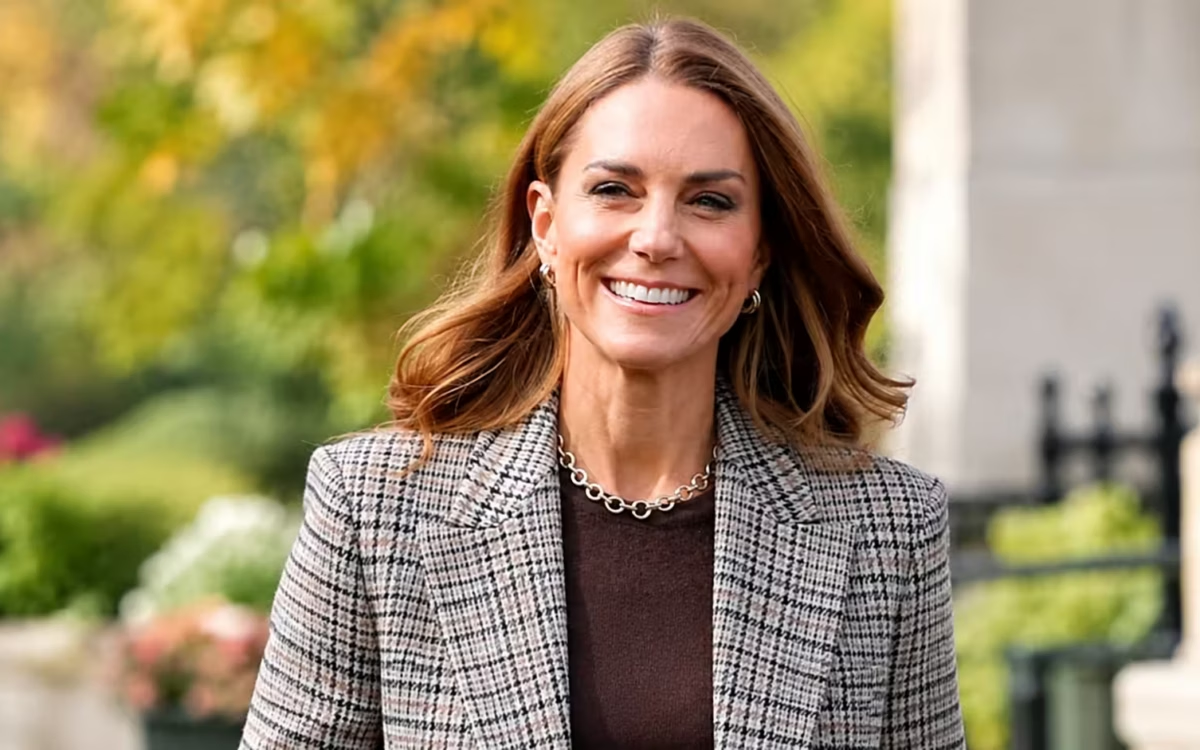
Princess Kate’s close relationship with her mother, Carole Middleton, has returned to the spotlight following fresh revelations about the vital family support that helped the Prince and Princess of Wales navigate one of the most difficult periods of their lives.
Royal biographers have described Carole, 71, as a dependable presence behind the scenes, providing emotional reassurance to Prince William while helping care for the couple’s three children during Catherine’s cancer treatment in 2024.
The latest comments, published in royal coverage this week, offer a personal insight into how the Middleton family helped maintain a sense of stability when Catherine was undergoing chemotherapy and William was balancing his responsibilities as a father, husband and future king.
Royal biographer Robert Jobson, speaking to Hello! magazine, described Carole as someone William could turn to when the pressures surrounding his family became overwhelming.
According to Jobson, Carole has been “as solid as a rock” and a trusted source of advice for the Prince of Wales.
Their relationship reportedly extended beyond family gatherings and royal occasions, with William sometimes joining his mother-in-law for informal conversations at the pub.
Jobson said Carole provided a listening ear during the uncertainty surrounding Catherine’s illness, describing her as a “good sounding-board” and “a wise head”.
The comments reveal another dimension of the relationship between William and the Middletons, who have remained closely involved in his family life since his marriage to Catherine in April 2011.
For the Prince of Wales, who lost his mother, Diana, Princess of Wales, in 1997, the Middleton family’s longstanding closeness has often been highlighted by royal commentators as an important part of his personal support network.
Carole’s involvement became particularly significant in 2024, when Catherine disclosed that she had been diagnosed with cancer following abdominal surgery.
At the same time, King Charles III was receiving treatment for his own cancer diagnosis, placing additional emotional and professional pressures on William.
The Prince subsequently described 2024 as the hardest year of his life, acknowledging the challenges of supporting his family while continuing his public responsibilities.
Royal author Ingrid Seward has also offered further details about Carole’s practical contribution during Catherine’s recovery.
Speaking to Hello!, Seward described Carole as “a really helpful, practical and unflappable mother and grandmother”.
She explained that Carole helped with everyday family responsibilities, including childcare, school arrangements and meal preparation.
Seward also suggested that the grandmother would likely have prepared food in advance, helping the household maintain familiar routines while Catherine concentrated on her treatment.
These accounts underline how the support reportedly extended beyond emotional encouragement to the ordinary tasks involved in caring for three children.
Prince George, Princess Charlotte and Prince Louis were all navigating their own routines while their mother’s illness attracted extensive public attention.
Maintaining normal family life was especially important to Catherine, who had previously emphasised her wish to protect her children’s privacy during her recovery.
Seward suggested that knowing her mother was helping manage family responsibilities would have given the Princess of Wales additional reassurance throughout her treatment.
Although many of these domestic details come from royal commentators rather than direct statements from the family, they have contributed to a picture of Carole as a quietly influential figure in the Wales household.
Queen Elizabeth’s View of the Middleton Family Comes Back Into Focus
The latest discussion has also renewed attention on the late Queen Elizabeth II’s reported appreciation of Carole and Michael Middleton.
Ailsa Anderson, who previously served as a press secretary to Queen Elizabeth, recently discussed how the monarch valued the strong family environment into which Prince William was marrying.
Anderson told Hello! that the Queen recognised the support provided by Catherine’s parents and appreciated the way they welcomed William into their family.
“The Queen always wanted her children and grandchildren to be happy,” Anderson explained.
She suggested that the monarch was reassured by the Middletons’ close relationships and their ability to remain united through difficult circumstances.
The connection was publicly illustrated in 2016 when Queen Elizabeth was photographed driving Carole Middleton at Balmoral in Scotland.
The Middletons have also attended royal family occasions over the years, demonstrating their established place within the wider family circle despite holding no royal titles themselves.
Their influence has largely remained private, although Carole has occasionally appeared alongside William at major events.
One memorable moment occurred at Royal Ascot in June 2024, when William helped Carole after her shoe became caught in the grass.
The brief exchange attracted attention at a time when Catherine was receiving treatment and remaining largely away from public duties.
For royal observers, the interaction illustrated the familiarity between the Prince of Wales and his mother-in-law.
Carole’s preference for privacy has also been examined by royal writers.
In her book Catherine & Diana, Ingrid Seward explores how Carole has navigated her unusual position as the mother of a future queen while avoiding unnecessary public attention.
Carole herself previously discussed the value of remaining discreet in a 2018 interview with The Telegraph.
“Over the years, it’s proved wise not to say anything,” she explained.
That approach has allowed the Middleton family to maintain a relatively private existence despite its close relationship with the monarchy.
The latest expert assessments suggest that this combination of discretion and practical support has helped Carole establish a distinctive position within the wider royal family.
Catherine announced in September 2024 that she had completed chemotherapy, before confirming in January 2025 that she was in remission.
During a visit to the Royal Marsden Hospital in London, where she received treatment, the Princess expressed her gratitude to the medical professionals and others who had supported her.
She also acknowledged that recovery required time and that adjusting to life after cancer treatment presented its own challenges.
The Princess has since continued her public engagements, including joining William for a visit to Belfast on 9 October 2026, where the couple learned about initiatives helping young people at risk of homelessness find employment and stability.
The appearance was another example of the couple carrying out their public duties together following the difficulties of recent years.
The latest reports about Carole Middleton do not indicate a new health development concerning Catherine. Instead, they revisit the family relationships that commentators believe were particularly important during the Princess’s treatment and recovery.
As William and Catherine prepare for their future roles within the monarchy, royal experts expect the Middleton family to remain an important part of their private lives.
Jobson has suggested that Carole’s influence will continue as Catherine eventually becomes queen consort, even though her mother will not acquire the royal title of Queen Mother.
For now, the renewed attention surrounding Carole reflects the less visible side of royal family life, where childcare, familiar routines and trusted relationships can be as significant as public appearances.
Her role, as described by those who have studied the family closely, offers a reminder that the Prince and Princess of Wales have relied not only on royal institutions but also on the personal support of relatives during periods of considerable uncertainty.
About the Journalist
Henry is the editorial head and lead author at Londoner. He oversees the publication’s editorial direction, article quality, source verification and corrections process. He also reviews major stories before publication to ensure they meet Londoner’s standards for accuracy, fairness and transparency.