Prince Harry And Meghan Markle Cotswolds Move: Inside Their New Life In Britain
 Published By
Henry
Published:
Updated:
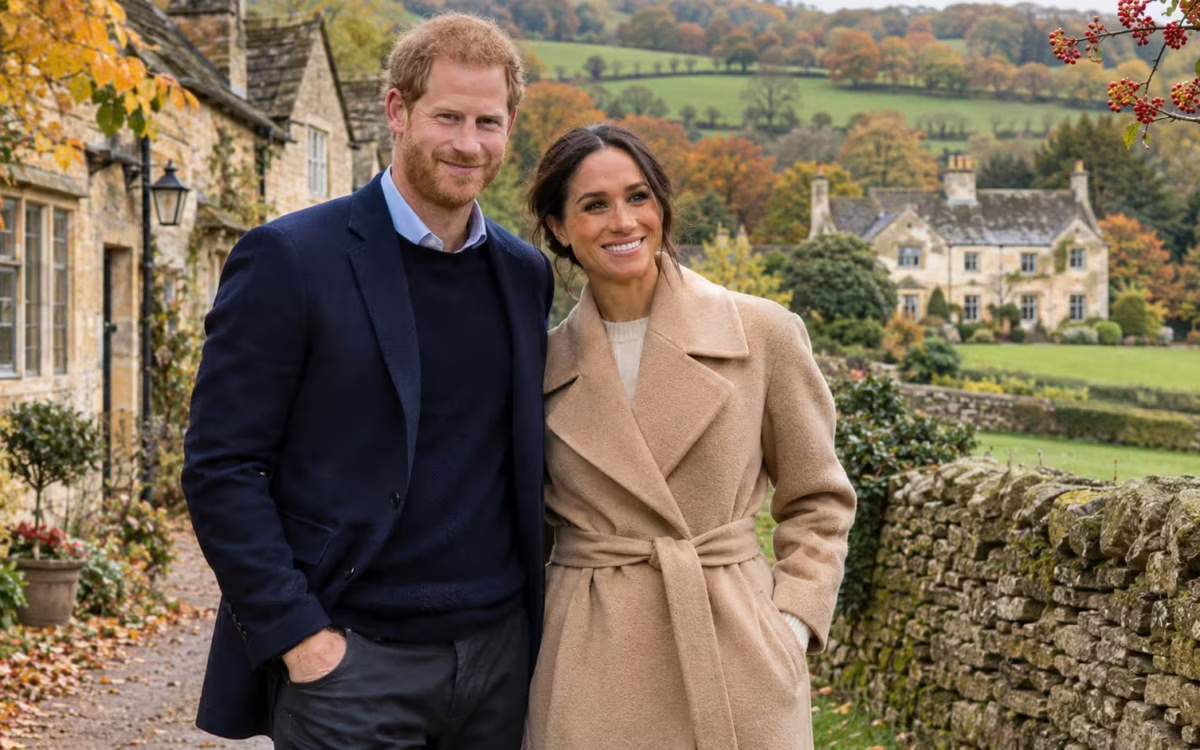
Table of Contents
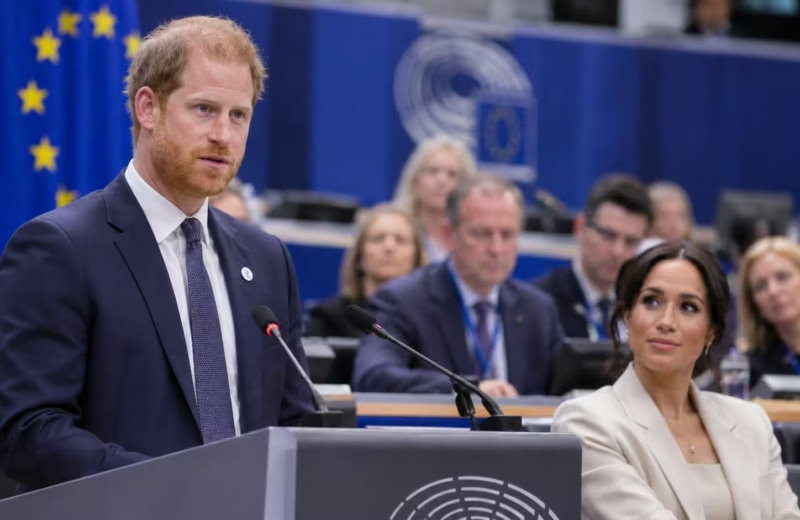
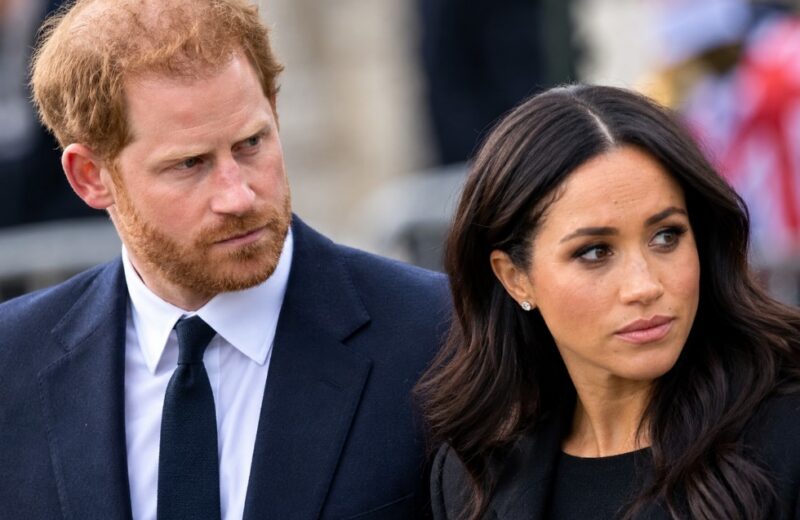
Prince Harry and Meghan Markle have renewed their connection with the Cotswolds, returning to the English countryside after six years based mainly in California. Their reported change of residence in November 2026 has brought fresh attention to the couple’s family arrangements, security concerns and relationship with Britain.
The Duke and Duchess of Sussex returned to the UK with Prince Archie and Princess Lilibet in August. Recent reports suggest they have moved from a friend’s main residence into another property on the same Cotswolds estate. However, there has been no public confirmation that they have purchased a house, and the property’s precise location remains private.
Prince Harry And Meghan Markle Reportedly Settle Into Another Cotswolds Property
Reports published in early November suggested that Harry and Meghan had changed homes without leaving the estate where they had been staying since their return to Britain.
The Daily Mail first reported the arrangement, with subsequent coverage from The Independent, Harper’s Bazaar and Vanity Fair describing a move into a different residence belonging to a wealthy friend.
Although some reports have presented the development as the end of the Sussexes’ property search, available information does not establish that the couple own their new accommodation.
Neither the purchase price nor the terms under which they are occupying the property have been publicly confirmed.
Their return to Britain was first reported in August, and the family arrived on 26 August 2026. Archie, seven, and Lilibet, five, subsequently began attending school in the UK.
The children’s education has become a central part of the family’s new routine, alongside Harry and Meghan’s independent charitable and professional commitments.
The wider Prince Harry and Meghan Markle UK move has also prompted questions about whether the family intend to divide their time permanently between Britain and the United States.
Reports indicate that their Montecito home remains part of their plans, suggesting their British base need not represent a complete departure from California.
Why The Cotswolds Already Hold A Place In The Sussexes’ Story?
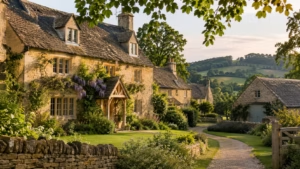
The region is familiar territory for Harry and Meghan. Shortly after their wedding at Windsor Castle in May 2018, they reportedly signed a two-year lease on a country property at the Great Tew Estate, near Chipping Norton in Oxfordshire.
Contemporary property coverage described a four-bedroom farmhouse, a separate guest cottage and converted barn accommodation surrounded by several acres of countryside.
It offered the newlyweds an alternative to Nottingham Cottage at Kensington Palace while arrangements were being made for their later move to Frogmore Cottage in Windsor.
The surrounding area was already associated with fashionable rural retreats, including Soho Farmhouse, and had attracted other prominent residents and visitors.
That earlier stay ended in 2019, before the couple completed their move into Frogmore Cottage. Their departure was subsequently linked to a serious intrusion into their privacy.
At a High Court hearing in May 2019, Harry’s lawyers described how a photographic agency had used a helicopter to obtain images of private spaces inside their rented home.
The agency apologised, and Harry accepted damages after the images were published.
His lawyers explained that the intrusion had undermined the security and privacy that had originally attracted the couple to the residence. The episode illustrates why speculation about their current home’s location requires particular care.
Unlike their earlier rental, the newly reported Cotswolds property has not been publicly identified.
That uncertainty should not be filled with assumptions about individual villages, neighbours or the family’s movements. Their previous connection to Great Tew does not establish that their latest accommodation is in the same place.
Privacy, Schooling And Security Shape Their Return
Moving back to Britain involves more than choosing an attractive country property. Harry has repeatedly raised concerns about protecting his family during visits to the UK, after the couple stepped away from official royal duties in 2020.
Their UK security arrangements became the subject of renewed attention following the August relocation.
Reports described discussions surrounding notice given to the authorities responsible for protective arrangements, while questions continued about how security decisions would be assessed for a family no longer carrying out official engagements on behalf of the monarch.
Those questions also affect everyday life. Reports in autumn 2026 indicated that Archie and Lilibet had changed schools amid concerns about security and travel arrangements.
Details about the children’s schools have appropriately remained limited, and there is no need to identify their routes or daily routines to understand the issue.
Harry has spoken publicly about the importance of allowing his children to experience the country where he grew up.
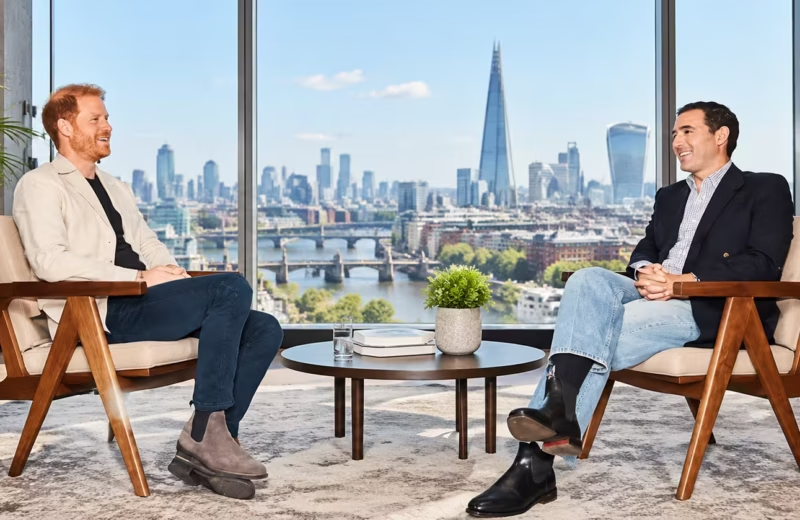
In a GQ interview released during the autumn, he explained that British schooling and opportunities for family connections were influential in the decision to return. He also indicated that the children were enjoying their experience.
The Cotswolds may offer a different pace from central London, but countryside surroundings do not automatically eliminate security risks or media interest.
Indeed, the 2019 incident demonstrated that a remote location can still attract intrusive attention when a family’s privacy becomes a news story.
This explains why the newest reports should be treated as an update about the Sussexes’ general living arrangements rather than an invitation to pinpoint their home.
The relevant public questions concern the family’s adjustment, the practical challenges of living in Britain and the arrangements under which they pursue their work.
What Does Their Cotswolds Base Mean for Royal Family Relations?
Harry and Meghan’s return places them geographically closer to King Charles and other relatives, although proximity alone does not establish that longstanding family disagreements have been resolved.
The couple continue to operate independently of the Royal Household and have not resumed their former roles as working royals.
The distinction was reinforced in formal guidance issued after their return.
The King Charles letter concerning Prince Harry clarified the position of the Sussexes as non-working royals, allowing them to continue private charitable and commercial activities without representing the monarch.
Their public work continues.
In October, Harry and Meghan made a joint visit to Nottingham, meeting people involved in community projects. Such appearances show that a British family base can coexist with their independent public profile, without implying a return to the royal engagement calendar.
The family also retain connections abroad, and future travel is likely to remain part of their professional lives.
That makes the question of a permanent address less straightforward than headlines about settling down might suggest. A home can serve as a practical base without signalling a final decision about where a family will spend every year.
For the Royal Family, the most significant consequence may be the opportunity for more frequent private contact, particularly between the King and his grandchildren.
Whether that possibility produces closer relationships is a personal matter rather than something a property move can prove.
As of November 2026, the central development is clear: Harry and Meghan have returned to a region associated with an earlier chapter of their marriage and reportedly shifted into another Cotswolds residence.
What remains unverified is any purchase, its precise location or a permanent settlement. Their next steps will be measured less by property speculation than by how their family life and public commitments develop in Britain.
About the Journalist
Henry is the editorial head and lead author at Londoner. He oversees the publication’s editorial direction, article quality, source verification and corrections process. He also reviews major stories before publication to ensure they meet Londoner’s standards for accuracy, fairness and transparency.