Queen Camilla’s Influence On King Charles: How Her Quiet Support Is Shaping His Reign?
 Published By
Olivia
Published:
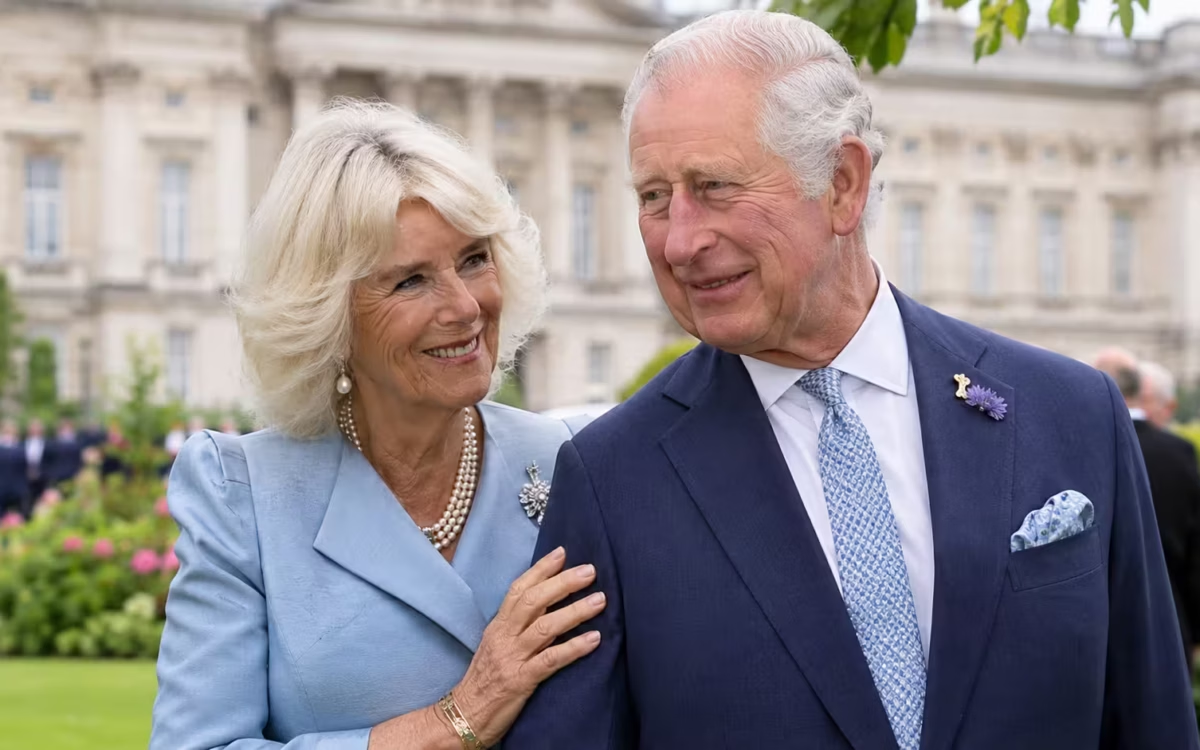
Table of Contents
Queen Camilla’s influence on King Charles III has become increasingly visible as the monarch continues balancing royal responsibilities, cancer treatment and complex family relationships.
Their partnership, built over more than two decades of marriage, remains an important part of how the King approaches public life.
As King Charles marks his 78th birthday on 14 November 2026, renewed attention is being paid to the Queen’s role in supporting him through a demanding period.
Their recent Commonwealth engagements, Camilla’s candid reflections on his illness and their continuing public appearances have highlighted the strength of their relationship.
Although Camilla does not exercise constitutional authority, royal observers have long considered her one of Charles’s closest personal confidantes.
Her influence appears most clearly in the emotional support she provides, her independent charitable commitments and the stability she brings to his public role.
How Queen Camilla Has Become a Steady Influence on King Charles?
Queen Camilla’s relationship with King Charles began long before he became monarch. The couple married on 9 April 2005, following years of public controversy surrounding their relationship and its place within the Royal Family.
Since then, Camilla has gradually developed from a relatively reserved royal figure into a prominent representative of the monarchy.
Her importance to Charles extends beyond accompanying him during official engagements. Royal commentators have frequently described her as someone who understands his personality, professional commitments and the pressures associated with his position.
Unlike formal advisers who concentrate on constitutional responsibilities, diplomatic arrangements and palace administration, Camilla offers the King the perspective of someone who has shared much of his adult life.
That personal familiarity can be valuable for a monarch whose schedule involves public scrutiny, sensitive diplomatic responsibilities and significant ceremonial expectations.
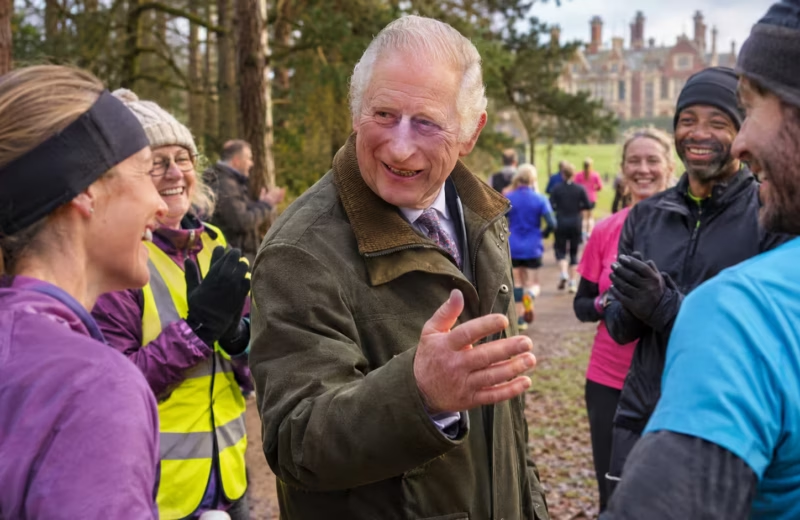
Camilla has also helped reveal a more relaxed side of Charles during public appearances. Their familiar exchanges, occasional laughter and comfortable interactions contrast with the formality traditionally associated with royal ceremonies.
However, there is an important distinction between personal influence and institutional decision-making.
Buckingham Palace has not publicly identified Camilla as the person responsible for particular decisions taken by the King. Claims that she controls his approach to royal affairs or determines major family decisions therefore remain unsubstantiated.
Her established position is that of a supportive Queen Consort who also maintains her own public responsibilities.
The difference matters because her influence is best understood through the partnership the couple demonstrates rather than through speculation about private conversations.
Queen Camilla’s Support During King Charles’s Cancer Treatment
One of the clearest examples of Camilla’s importance to Charles emerged following his cancer diagnosis in February 2024.
Buckingham Palace announced that the King was receiving treatment for an undisclosed form of cancer, prompting widespread concern about his health and the future demands of his reign.
Camilla continued undertaking royal engagements while the King temporarily reduced his public-facing responsibilities.
Her appearances provided continuity during a period when attention was focused on Charles’s recovery.
In August 2026, the Queen offered a particularly revealing account of that experience in a film produced with Buckingham Palace and the cancer support charity Maggie’s.
The film marked the organisation’s 30th anniversary and featured Camilla discussing the emotional challenges surrounding her husband’s diagnosis.
Reflecting on a January 2024 visit to a Maggie’s centre at London’s Royal Free Hospital, she explained that Charles had already received his diagnosis, although the information had not yet been made public.
Camilla recalled:
“Nobody could say anything at the time. That was quite difficult.”
She explained that meeting people affected by cancer made her increasingly aware of the importance of emotional and practical support for patients and their families.
The Queen also discussed Charles’s determination to continue his work despite his illness.
Describing his response, she said:
“Nothing stopped him. He just said ‘This is my way. I’m going to cope with it’.”
Those remarks offered an unusually personal insight into the couple’s experience.
They also showed that Camilla was dealing with concerns familiar to many families affected by serious illness, even while carrying out responsibilities associated with the monarchy.
Charles returned to public-facing engagements in April 2024. In December 2025, he announced that progress in his treatment meant it could be reduced, although treatment continued into 2026.
Throughout this period, Camilla has remained an important public presence beside him.
Her support should not be interpreted as determining his medical decisions or treatment schedule. Those matters remain between the King and his healthcare professionals.
Nevertheless, her willingness to discuss the family’s experience has helped demonstrate the personal challenges that can exist behind royal duties.
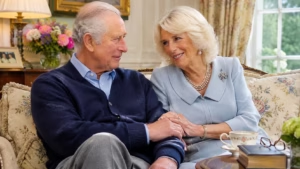
How Is Their Royal Partnership Shaping the Modern Monarchy?
Queen Camilla’s influence is also apparent in the way she complements Charles’s public interests while maintaining a distinct programme of charitable work.
The King has spent decades supporting environmental protection, community development, education and opportunities for young people.
Camilla has developed her own commitments, particularly literacy, health, the arts and supporting survivors of domestic abuse and sexual violence.
According to the Royal Family’s official website, she has become patron or president of more than 100 charities since marrying Charles.
Her Reading Room initiative has become especially prominent, encouraging people to discover books and appreciate the benefits of reading.
In September 2026, she continued promoting literacy through the Queen’s Reading Room Festival at Chatsworth House.
These activities strengthen the monarchy’s engagement with communities while allowing Camilla to develop a public identity independent of the King.
Their recent overseas engagements have provided another example of how the couple divide responsibilities.
Between 27 October and 4 November 2026, Charles undertook a Caribbean tour that included visits to The Bahamas and Guyana before Camilla joined him in Antigua and Barbuda.
Together, they attended events associated with the Commonwealth Heads of Government Meeting.
Alongside their shared engagements, Camilla participated in activities involving education, women’s leadership and the Queen’s Commonwealth Writing Competition.
Their appearances demonstrated how the King and Queen can represent the monarchy together while pursuing separate areas of interest.
Following the tour, the couple also attended the Royal British Legion’s Festival of Remembrance at London’s Royal Albert Hall on 7 November.
Such occasions highlight the ceremonial responsibilities associated with their positions and the continuity expected of senior members of the Royal Family.
Camilla’s increasing visibility has also reinforced her place within the royal hierarchy.
The attention surrounding Kate Middleton’s curtsy to Queen Camilla illustrates how the Queen’s position is now reflected in formal royal appearances.
However, her public standing has not been universally embraced.
An Ipsos survey conducted in April 2025 found that 18% of respondents believed Charles and Camilla’s relationship had benefited the monarchy, while 23% thought it had harmed it. Another 45% believed it had made no difference.
The figures suggest that although public attitudes have improved considerably since the 1990s, the Queen’s influence does not necessarily translate into widespread public approval.
Could Queen Camilla Influence King Charles’s Family Relationships?
Beyond official duties, Camilla occupies a sensitive position within the King’s personal family relationships.
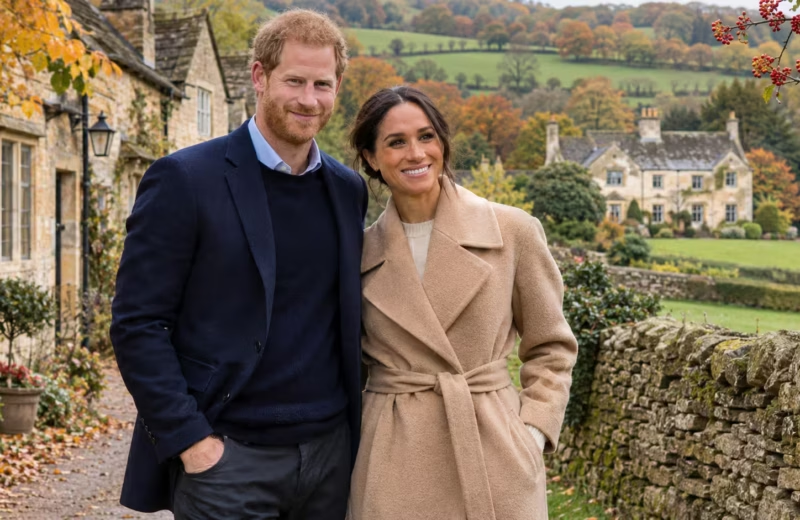
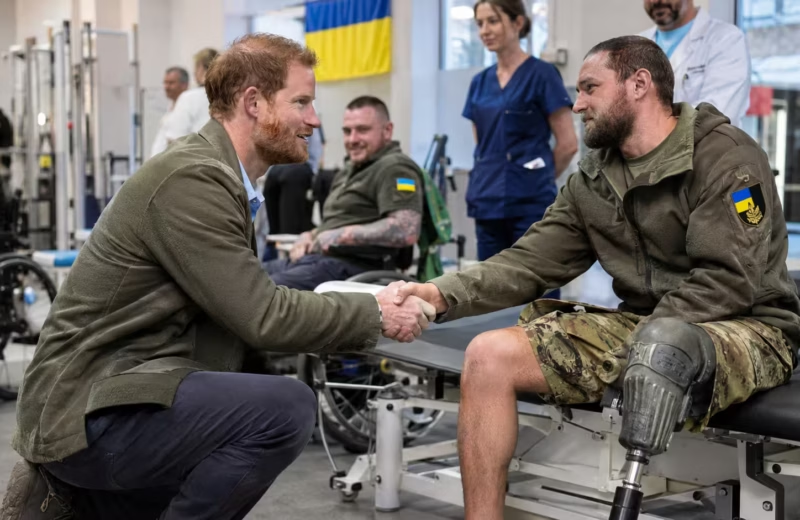
The continuing tensions involving Prince Harry, Prince William and other members of the Royal Family have placed considerable attention on Charles’s efforts to balance family matters with institutional responsibilities.
Camilla’s own relationship with Harry has been complicated by his public criticism of her, particularly in his 2023 memoir Spare and accompanying interviews.
Nevertheless, renewed discussion about Queen Camilla and Prince Harry’s relationship following his return to Britain has raised questions about whether a more constructive family relationship could develop.
Camilla’s closeness to Charles means that changes in his personal relationships may also affect her, particularly where private family gatherings and contact with grandchildren are concerned.
However, there is no official confirmation that she has been appointed to mediate disputes or that she has persuaded the King to adopt any particular approach towards Harry.
The distinction between family relationships and royal duties remains particularly important.
The King Charles letter concerning Prince Harry’s royal status highlighted how personal family connections can remain separate from formal responsibilities within the Royal Household.
Although Camilla may provide her husband with personal advice, decisions about official royal arrangements involve established institutional processes and wider considerations.
The same caution applies to speculation about her relationship with Prince William and Catherine.
Their public interactions demonstrate continued participation in royal events, but appearances alone cannot establish the nature of private family discussions.
Ultimately, Queen Camilla’s influence on King Charles is most convincingly demonstrated through their enduring partnership rather than claims about private political or family decisions.
As Charles continues his reign, Camilla remains a consistent presence during public engagements and personal challenges.
Her contribution combines emotional support, charitable leadership and a willingness to share the demands of royal life.
With the King entering another year of his reign, their relationship continues to illustrate how the monarchy’s public responsibilities are supported by a deeply personal partnership.
For Charles, the Queen’s greatest influence may not lie in any single decision, but in the stability and companionship she has provided throughout his transition from Prince of Wales to sovereign.
About the Journalist
Olivia covers London life, culture and lifestyle for Londoner. Her work includes food, shopping, neighbourhood trends, attractions, local experiences and practical guides for residents and visitors. She focuses on engaging stories that reflect everyday life across the capital.