25 Free Things To Do In London Without Spending A Penny
 Published By
Olivia
Published By
Olivia
Published:
Updated:
Table of Contents
London has a reputation for being one of the UK’s most expensive destinations, but many of its greatest cultural experiences cost nothing. Visitors can enter world-famous museums, see internationally important art, walk through royal parks, explore historic markets and enjoy panoramic skyline views without paying an admission fee.
The key is understanding what “free” includes. At most museums, permanent collections are free while temporary exhibitions, guided experiences, cafés and gift shops cost extra. Some viewpoints require a free timed ticket, and although the attraction itself costs £0, visitors must still budget for travel, food and any optional activities.
The prices and admission arrangements below were checked on 4 August 2026. Opening hours, exhibitions and booking requirements can change, particularly during school holidays, major events and periods of maintenance.
Quick Guide to London’s Best Free Attractions
| Free attraction | General price | Advance booking | Suggested visit |
| British Museum | £0 | Recommended | 2–4 hours |
| Natural History Museum | £0 | Recommended | 2–4 hours |
| Science Museum | £0 | Required or strongly recommended | 2–3 hours |
| V&A South Kensington | £0 | Not normally required | 2–4 hours |
| National Gallery | £0 | Recommended | 2–3 hours |
| National Portrait Gallery | £0 | Recommended | 1–2 hours |
| Tate Modern | £0 | Not required | 2–3 hours |
| Tate Britain | £0 | Not required | 1.5–3 hours |
| IWM London | £0 | Not required | 2–4 hours |
| Wellcome Collection | £0 | Not normally required | 1–2 hours |
| Wallace Collection | £0 | Not required | 1.5–2.5 hours |
| London Museum Docklands | £0 | Not required | 1–2 hours |
| British Library Treasures Gallery | £0 | Not required | 1–1.5 hours |
| Serpentine Galleries | £0 | Usually not required | 45–90 minutes |
| Barbican Conservatory | £0 | Often required | 1 hour |
| Sky Garden | £0 | Required | 1 hour |
| Garden at 120 | £0 | Not required | 30–60 minutes |
| Hyde Park | £0 | Not required | 1–3 hours |
| Regent’s Park and Primrose Hill | £0 | Not required | 2–4 hours |
| Greenwich Park | £0 | Not required | 1–3 hours |
| Richmond Park | £0 | Not required | 2 hours to full day |
| South Bank walk | £0 | Not required | 2–4 hours |
| Little Venice and Regent’s Canal | £0 | Not required | 1–3 hours |
| Changing of the Guard | £0 | Not required | 1–2 hours |
| Portobello Road and Notting Hill | £0 | Not required | 1–3 hours |
1. Explore Thousands of Years of History at the British Museum
Price: Free for the permanent collection
Optional costs: Special exhibitions, selected events, food and souvenirs
Booking: Free advance booking is recommended
Location: Great Russell Street, Bloomsbury
Best for: History, archaeology and rainy days
Suggested time: Two to four hours
The British Museum is one of the strongest free attractions in London because its permanent collection covers several thousand years of global history. Visitors can explore galleries devoted to ancient Egypt, Greece, Rome, Mesopotamia, Africa, Asia, Europe and the Americas.
Popular objects include the Rosetta Stone, Egyptian mummies, Assyrian reliefs and artefacts from the Anglo-Saxon burial at Sutton Hoo. Visitors with limited time can follow the museum’s one-hour highlights trail, which includes major objects such as the Rosetta Stone and the bust of Ramesses the Great.
Activities include following an object trail, sketching artefacts, joining selected free talks and using family resources. The permanent collection is free, but special exhibitions and some events are charged separately. The museum advises visitors to reserve a free timed ticket, particularly for weekends and holidays.
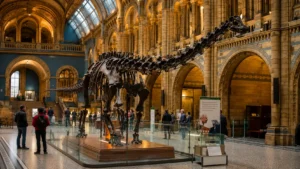
2. See Dinosaurs at the Natural History Museum
Price: Free general admission
Optional costs: Temporary exhibitions, special events, food and gifts
Booking: Recommended to guarantee entry
Location: Cromwell Road, South Kensington
Best for: Families, wildlife lovers and science enthusiasts
Suggested time: Two to four hours
The Natural History Museum combines an extraordinary collection with one of London’s most impressive Victorian buildings. Its permanent galleries explore dinosaurs, mammals, oceans, minerals, volcanoes, earthquakes, human evolution and the natural world.
Families can see dinosaur skeletons, examine fossils, compare animals from different habitats and explore the Earth galleries. Hintze Hall is an attraction in its own right, while the museum’s gardens provide additional space for observing plants, insects and urban wildlife.
The permanent galleries and grounds are free. Free tickets can be booked to guarantee admission and reduce the risk of waiting during busy periods. Temporary exhibitions and ticketed experiences are optional, so a complete visit can still be enjoyed for £0. The museum is open daily, with occasional closure dates announced in advance.
3. Discover Space, Engineering and Technology at the Science Museum

Price: Free general admission
Optional costs: Wonderlab, Power Up, IMAX films and selected exhibitions
Booking: Free advance ticket required or strongly recommended
Location: Exhibition Road, South Kensington
Best for: Children, technology enthusiasts and interactive learning
Suggested time: Two to three hours
The Science Museum explores how scientific discoveries and engineering have changed everyday life. Free galleries cover space travel, aviation, medicine, communications, mathematics, transport, computing and industrial development.
Visitors can examine historic aircraft, spacecraft, scientific instruments, medical equipment and machines that helped shape modern Britain. Free activities can include object-handling sessions, volunteer-led tours and family demonstrations, although dates and availability vary.
Some of the museum’s most interactive experiences are paid. Wonderlab offers hands-on science exhibits, Power Up focuses on gaming history, and the IMAX cinema screens large-format films. These additions are optional: the main museum still provides enough free content for several hours.
The museum reports that an average visit lasts around two hours, although families may need longer.
4. Explore Fashion, Art and Design at the V&A

Price: Free general admission
Optional costs: Major exhibitions, events, food and shopping
Booking: Not normally required for the permanent collection
Location: Cromwell Road, South Kensington
Best for: Fashion, photography, interiors and design
Suggested time: Two to four hours
The Victoria and Albert Museum, usually called the V&A, is dedicated to art, design and performance. Its permanent galleries include fashion, furniture, jewellery, sculpture, photography, ceramics, textiles, architecture and objects from cultures around the world.
Activities include studying historic clothing, exploring decorative rooms, viewing sculptures and photographing the building’s courtyard and interiors. Design students can use the collection for research, while families can follow trails and look for objects connected to particular colours, materials or periods.
Entry to the permanent collection is free and visitors do not normally need to reserve a general-admission ticket. Major temporary exhibitions are priced separately. The museum also stays open later on Fridays, although some galleries may close earlier than the building itself.
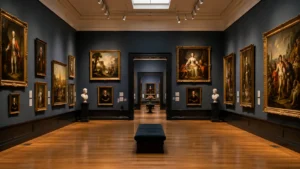
5. See European Masterpieces at the National Gallery
Price: Free general admission
Optional costs: Temporary exhibitions and a £3 cloakroom charge per item
Booking: Recommended for faster entry
Location: Trafalgar Square
Best for: Classical art and first-time London visitors
Suggested time: Two to three hours
The National Gallery houses a major collection of European paintings in one of London’s most recognisable locations. Its galleries cover artistic movements and periods from the medieval era to the early 20th century.
Visitors can look for works associated with Leonardo da Vinci, Rembrandt, Turner, Monet, Van Gogh and other significant painters. Free activities include sketching in permitted areas, using digital guides and attending selected family sessions or talks.
General admission is free and donations are optional. Free advance booking is recommended, although walk-up admission may be available. Some temporary exhibitions require paid tickets. Visitors carrying larger bags should note that the cloakroom charges £3 per accepted item, while suitcases and wheeled luggage are not permitted.
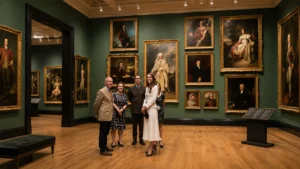
6. Meet Britain’s Best-Known Figures at the National Portrait Gallery
Price: Free general admission
Optional costs: Major exhibitions, food and gifts
Booking: Recommended
Location: St Martin’s Place, beside Trafalgar Square
Best for: British history, culture and photography
Suggested time: One to two hours
The National Portrait Gallery tells stories through images of monarchs, writers, politicians, scientists, campaigners, performers, athletes and other influential people.
Visitors can move through the collection chronologically or concentrate on a particular period. Activities include comparing how portraits changed over time, looking for familiar public figures, using the free digital guide and joining free daily tours when available.
General admission is free, but selected exhibitions carry a charge. The gallery recommends advance booking to guarantee entry, particularly during weekends and major exhibitions. It is also convenient to combine with the National Gallery because the two buildings are only a short walk apart.
7. Experience Modern Art at Tate Modern

Price: Free general admission
Optional costs: Major temporary exhibitions, food and shopping
Booking: Not required for the permanent collection
Location: Bankside
Best for: Contemporary art, architecture and Thames walks
Suggested time: Two to three hours
Tate Modern occupies the former Bankside Power Station beside the Thames. Its industrial architecture makes the visit memorable even before visitors begin exploring the art.
The free collection includes modern and contemporary painting, sculpture, photography, film and large installations. Visitors can explore the Turbine Hall, compare international art movements and enjoy views from different parts of the building.
Entry to the permanent collection is free and visitors do not need to reserve a timed general-admission ticket. Certain exhibitions require payment. A visit can be combined with a free South Bank walk, the Millennium Bridge and the riverside path towards Shakespeare’s Globe or Borough Market.
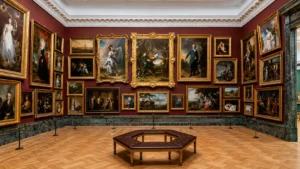
8. Discover British Art at Tate Britain
Price: Free general admission
Optional costs: Temporary exhibitions, food and gifts
Booking: Not required
Location: Millbank
Best for: British painting, JMW Turner and quieter gallery visits
Suggested time: One and a half to three hours
Tate Britain presents British art from the 16th century to the present day. Its collection provides an opportunity to see how British painting and sculpture developed across several centuries.
One of its greatest strengths is its collection of work by JMW Turner. Visitors can also explore historical portraiture, landscapes, modern British art and contemporary installations.
The gallery tends to feel calmer than some of London’s larger central museums, making it suitable for visitors who prefer to explore slowly. General entry is free and no booking is required, although paid exhibitions may operate separately. Tate Britain can also be reached by a riverside walk from Westminster.
9. Learn How Conflict Shaped Society at IWM London

Price: Free general admission
Optional costs: Special exhibitions, food and shopping
Booking: Not required
Location: Lambeth Road
Best for: Military history, social history and older children
Suggested time: Two to four hours
IWM London explores the effects of war and conflict on individuals, families and societies. Its galleries contain military vehicles, aircraft, photographs, artworks, personal possessions, documents and recorded testimony.
Visitors can explore the First World War galleries, examine objects from later conflicts and learn how civilians experienced evacuation, bombing, rationing and political change. Free family activities and adventure trails are available on selected weekends and during school holidays.
Entry is free and individual visitors do not need to book. The museum suggests that self-guided educational visits may take between two and four hours. Some exhibitions and events are charged separately.
10. Explore Health and Human Experience at Wellcome Collection

Price: Free
Optional costs: Café purchases and occasional paid events
Booking: Usually not required
Location: Euston Road
Best for: Medicine, society, identity and contemporary culture
Suggested time: One to two hours
Wellcome Collection is a free museum and library exploring health and human experience. Rather than presenting medicine only through scientific objects, its exhibitions examine how health connects with art, society, disability, culture, identity and public policy.
Visitors can see temporary exhibitions, explore the permanent Being Human gallery, join selected discussions and use the building’s public spaces. Most exhibitions and events are free, although some events are ticketed and a small number may be charged.
Advance booking is generally unnecessary. During exceptionally busy periods, the venue may introduce free timed tickets for people already inside the building. The library is also free to use for adults, subject to its access arrangements.
11. Visit a Historic Mansion at the Wallace Collection
Price: Free for the permanent collection
Optional costs: Special exhibitions, guided tours, food and shopping
Booking: Not required for individuals
Location: Manchester Square, Marylebone
Best for: Decorative art, armour and historic interiors
Suggested time: One and a half to two and a half hours
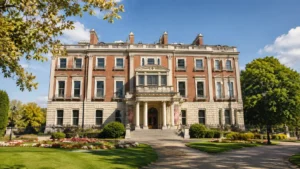
The Wallace Collection is housed in Hertford House, giving visitors the feeling of exploring an aristocratic residence rather than a conventional museum.
Its rooms contain paintings, sculpture, furniture, porcelain, decorative art and an extensive display of European and Asian arms and armour. Activities include using the free digital guide, examining the ornate interiors and comparing craftsmanship across different periods.
Entry to the main collection is free and unticketed. Groups of six or more must arrange their visit in advance, while individuals can normally walk in. Temporary exhibitions and privately arranged guided tours may cost extra. Free lockers are available for personal items.
12. Discover the History of the Thames at London Museum Docklands
Price: Free general admission
Optional costs: Selected activities, food and gifts
Booking: Not required for the main galleries
Location: West India Quay, Canary Wharf
Best for: London history, maritime trade and families
Suggested time: One to two hours
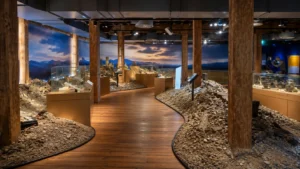
London Museum Docklands occupies a former warehouse and tells the story of London’s river, port and communities from the 1600s to the present day.
Its nine free galleries cover trade, migration, slavery, working life, wartime London and the development of Canary Wharf. Visitors can enter a recreated Victorian street in Sailortown, examine ship models and learn how the docks influenced London’s growth.
The main galleries are free and unticketed. Visitors can simply arrive during opening hours. The popular Mudlarks family gallery may require advance booking, while monthly play sessions and other family events are sometimes free. The museum recommends allowing at least an hour, although two hours is more realistic for all nine galleries.
13. See Historic Manuscripts at the British Library

Price: Free
Optional costs: Temporary exhibitions, guided tours and events
Booking: Not required for the Treasures Gallery
Location: St Pancras
Best for: Books, manuscripts, music and British history
Suggested time: One to one and a half hours
The British Library’s Treasures Gallery displays some of the most important books, manuscripts, maps, music and historical documents in its collection.
The precise objects on display may rotate, but the gallery provides access to material connected with literature, religion, science, politics and music. Visitors can also see rare stamps in the free Philatelic Gallery.
The Treasures Gallery is free and does not require advance booking. Step-free access is available, and wheelchairs can be borrowed subject to availability. The library’s public spaces are also free to enter, while major temporary exhibitions and expert-led tours may carry separate charges.
14. See Contemporary Art at the Serpentine Galleries
Price: Free
Optional costs: Paid tours, food and purchases
Booking: Usually not required, although certain exhibitions use free timed tickets
Location: Kensington Gardens
Best for: Contemporary art and combining culture with a park visit
Suggested time: 45 to 90 minutes
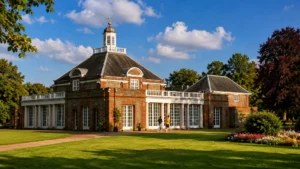
Serpentine operates two contemporary-art spaces in Kensington Gardens: Serpentine South and Serpentine North.
Exhibitions change throughout the year and may include painting, sculpture, architecture, film, sound and large installations. During the summer, the annual Serpentine Pavilion often adds a temporary architectural attraction beside the gallery.
Access to the galleries is free. Most visitors can arrive without booking, but free timed tickets may be introduced where an exhibition has limited capacity. The galleries can easily be combined with Hyde Park, the Serpentine lake, Kensington Gardens and the nearby memorials.
15. Walk Through the Barbican Conservatory

Price: Free
Optional costs: Performances, exhibitions, cafés and restaurants
Booking: Free tickets are often required
Location: Barbican Centre
Best for: Plants, architecture and photography
Suggested time: Around one hour
The Barbican Conservatory places tropical plants inside one of London’s best-known Brutalist developments. Its paths wind around trees, palms, cacti and other plants while overlooking parts of the Barbican complex.
The conservatory does not operate like a conventional museum with daily access. It opens on selected dates, and visitors often need to reserve a free ticket. The current 2026 visiting programme includes dates from late July to late September, although availability can change.
Visitors can also explore the Barbican’s public foyers free of charge and look for installations, architectural details and lakeside views. Paid concerts, cinema screenings and theatre performances are separate from the free conservatory visit.
16. Enjoy Panoramic Views From Sky Garden
Price: Free during public visiting periods
Optional costs: Food, drinks and restaurant reservations
Booking: A free timed ticket is normally required
Location: 20 Fenchurch Street
Best for: Skyline views, couples and first-time visitors
Suggested time: Around one hour
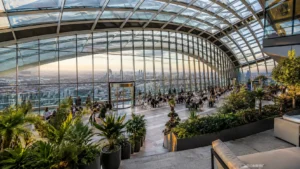
Sky Garden combines indoor planting with elevated views over the City and the Thames. Visitors can see landmarks such as the Shard, Tower Bridge, St Paul’s Cathedral and the London Eye, depending on visibility.
The public visit costs £0, but demand is high and tickets can disappear quickly. Visitors should book only through the official ticketing system rather than paying a third-party seller for ordinary public access.
Activities include walking through the planted terraces, photographing the skyline and identifying landmarks from different sides of the building. Food and drinks are optional and priced separately. Free admission does not include a complimentary meal or drink unless a particular promoted event explicitly says so.
17. Visit the Open-Air Garden at 120
Price: Free
Optional costs: Food or drinks elsewhere in the building
Booking: Not required
Location: 120 Fenchurch Street
Best for: Last-minute skyline views and outdoor photography
Suggested time: 30 to 60 minutes
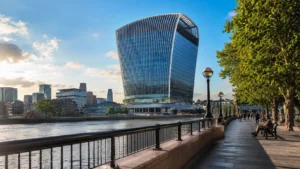
The Garden at 120 is one of London’s most useful free viewpoints because visitors do not normally need to obtain a ticket.
The open-air roof garden provides views of nearby City skyscrapers as well as landmarks including the Shard, Tower Bridge and the Tower of London. Its planted paths and seating areas make it feel more relaxed than a traditional observation deck.
The garden is free and no advance booking is required, although visitors pass through a security check. Opening hours differ between summer and winter, and the garden closes on bank holidays. Poor weather or operational requirements may also affect access, so checking before travelling is sensible.
18. Walk, Picnic and Relax in Hyde Park

Price: Free
Optional costs: Boating, swimming, sports, food and major events
Booking: Not required
Location: Central London
Best for: Picnics, walking, running and family time
Suggested time: One to three hours
Hyde Park offers a large green space between some of central London’s busiest districts. A free visit can include walking around the Serpentine, visiting the Rose Garden, watching speakers at Speaker’s Corner or simply bringing a picnic.
Families can look for birds and other wildlife, while runners and walkers can follow the park’s broad paths. Free seasonal learning activities and Discovery Days are occasionally organised in Hyde Park and other Royal Parks.
The park itself costs nothing to enter. Boating, swimming, tennis, cafés, concerts and organised events may be charged separately. Kensington Gardens sits directly beside Hyde Park, making it easy to extend the walk towards the Serpentine Galleries, Italian Gardens and Kensington Palace exterior. All eight Royal Parks can be explored free of charge.
19. Explore Regent’s Park and Climb Primrose Hill
Price: Free
Optional costs: Boating, sports, cafés and London Zoo
Booking: Not required
Location: North-west central London
Best for: Gardens, skyline views and long walks
Suggested time: Two to four hours
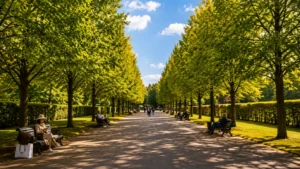
Regent’s Park combines formal gardens, open lawns, wetlands, playgrounds and sports areas. Queen Mary’s Gardens is particularly popular for its rose displays, while Avenue Gardens provides fountains and formal planting.
Visitors can explore the new Queen Elizabeth II Garden, watch birds around the wetland areas or continue north to Primrose Hill. The top of the hill provides a broad view across central London and is accessible 24 hours a day.
Walking through the park and climbing the hill are free. Boat hire, organised sport, refreshments and entry to London Zoo cost extra. Visitors should note that the main park has pedestrian-gate hours, while Primrose Hill remains open around the clock.
20. See the Skyline From Greenwich Park
Price: Free
Optional costs: Observatory attractions, food and paid activities
Booking: Not required for the park
Location: Greenwich
Best for: Views, picnics and historic surroundings
Suggested time: One to three hours
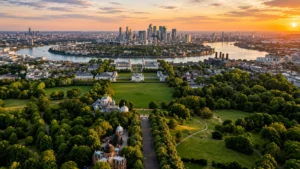
Greenwich Park offers one of London’s most recognisable ground-level views. From the hill near the Royal Observatory, visitors can look across the Queen’s House towards Canary Wharf and the wider London skyline.
Free activities include walking through the park, photographing the view, visiting the gardens, watching wildlife and exploring the surrounding Maritime Greenwich neighbourhood. Families may also find free nature activities on selected dates.
The park is free, but the Royal Observatory’s ticketed areas, boating, food and some nearby attractions cost extra. Visitors can combine the park with the free National Maritime Museum, the riverside and Greenwich Market, although purchases remain optional.
21. Look for Deer in Richmond Park

Price: Free
Optional costs: Cycle hire, refreshments and organised activities
Booking: Not required
Location: Richmond upon Thames
Best for: Wildlife, hiking, cycling and countryside scenery
Suggested time: Two hours to a full day
Richmond Park covers approximately 2,500 acres and provides a landscape of open grassland, ancient woodland, ponds and hills. It is home to herds of red and fallow deer as well as birds, insects and rare habitats.
Visitors can walk the Tamsin Trail, explore Isabella Plantation, visit King Henry’s Mound or bring a picnic. The perimeter route is just over seven miles, making it suitable for a longer walk or run.
Entry is free, and pedestrian gates are generally open around the clock. Optional spending includes food, cycle hire and organised experiences.
The deer are wild animals. Visitors should keep a safe distance, avoid feeding them and follow seasonal safety instructions, particularly during birthing and rutting periods.
22. Walk Along the South Bank
Price: Free
Optional costs: Attractions, performances, food and river transport
Booking: Not required
Location: Between Westminster and Tower Bridge
Best for: Landmark views, street photography and first-time visitors
Suggested time: Two to four hours
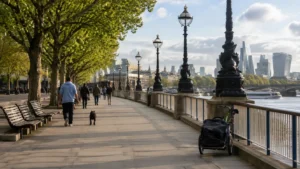
A South Bank walk provides views of several major London landmarks without requiring an attraction ticket.
A popular route begins near Westminster Bridge and passes the London Eye, Southbank Centre, National Theatre, Gabriel’s Wharf, Tate Modern, Shakespeare’s Globe and Borough Market. Visitors can finish at London Bridge or continue towards Tower Bridge.
Free activities include watching street performers, browsing the outdoor book market when it is operating, photographing the Houses of Parliament, exploring Tate Modern and sitting beside the river. Performers may invite donations, but these are voluntary.
The walk itself costs nothing. Visitors only pay when they choose to enter a charged attraction, buy food or use public transport.
23. Walk From Little Venice Along Regent’s Canal
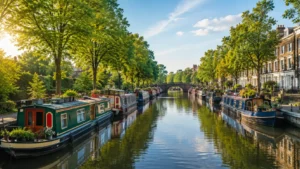
Price: Free
Optional costs: Boat trips, cafés, food and entertainment
Booking: Not required for walking
Location: Near Paddington and Warwick Avenue
Best for: Canal scenery and quieter London walks
Suggested time: One to three hours
Little Venice is the canal district where the Regent’s Canal and Grand Union Canal meet. The area is known for narrowboats, waterside paths and tree-lined stretches that feel removed from nearby central-London traffic.
Visitors can explore the basin and then walk east along Regent’s Canal towards Regent’s Park and Camden. A longer route can continue beyond Camden towards King’s Cross.
Walking is completely free. Boat trips are optional and priced separately, as are cafés and waterside restaurants. Free outdoor entertainment sometimes takes place around nearby Sheldon Square during summer, but programmes vary and should be checked before travelling.
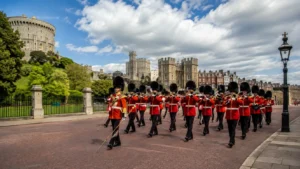
24. Watch the Changing of the Guard
Price: Free
Optional costs: Guided tours and transport
Booking: Not required
Location: Buckingham Palace, St James’s Palace and surrounding routes
Best for: Royal tradition, military ceremony and families
Suggested time: One to two hours including waiting
The Changing of the Guard allows members of the public to watch a formal military ceremony without purchasing a palace ticket.
Depending on the day’s arrangements, visitors may see guards, military bands and processions around Buckingham Palace, St James’s Palace, the Mall and Wellington Barracks. The ceremony can be extremely crowded, so arriving early is important.
There is no admission charge and no ticket is needed to stand in the public viewing areas. Guided tours advertised by commercial operators are optional and do not provide ownership of the ceremony itself.
Schedules can change because of weather, major state occasions, operational requirements or concern for the welfare of personnel and horses. Visitors should always check the official ceremonial calendar shortly before travelling rather than assuming the ceremony takes place every day.
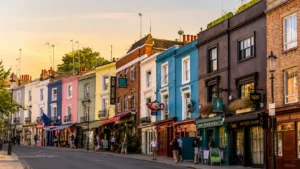
25. Browse Portobello Road and Walk Through Notting Hill
Price: Free to explore
Optional costs: Shopping, food, drinks and guided tours
Booking: Not required
Location: Notting Hill
Best for: Markets, colourful streets, antiques and photography
Suggested time: One to three hours
Portobello Road Market provides a free way to experience one of west London’s best-known neighbourhoods. Visitors can browse stalls selling antiques, vintage clothing, books, records, food and household items without being required to buy anything.
The surrounding Notting Hill streets are also worth exploring. Activities include photographing colourful houses, browsing independent shops and walking towards Golborne Road.
The experience can remain completely free when visitors avoid purchases. Market activity differs by day, with some days focusing more heavily on antiques or general goods than others.
Portobello Road can become very crowded, especially on Saturdays and during good weather. Visiting earlier in the day provides more room to browse and photograph the area.
Which Free London Attractions Are Best for Families?
The Natural History Museum and Science Museum are the strongest choices for children who enjoy dinosaurs, space, machines and interactive learning. London Museum Docklands offers an accessible introduction to the capital’s history, while Hyde Park, Regent’s Park and Greenwich Park provide room to run, picnic and explore.
Families should still reserve free museum tickets where possible. A £0 ticket does not always guarantee immediate walk-up admission when a venue reaches capacity.
Which Free Attractions Are Best on a Rainy Day?
The British Museum, V&A, Tate Modern, National Gallery, Science Museum and IWM London can each occupy visitors for several hours indoors.
Wellcome Collection, the Wallace Collection and the British Library are useful alternatives when the largest museums are crowded. The Barbican’s public foyers are free, but access to its conservatory depends on scheduled opening dates.
What Are the Best Free Views in London?
Sky Garden provides one of the highest free views but requires advance planning. The Garden at 120 is easier for spontaneous visits because booking is not required.
Primrose Hill and Greenwich Park provide open-air views from ground level, while the South Bank offers close views of the Thames, Westminster and the City. Weather and visibility can substantially affect each experience.
As of 4 August 2026, Horizon 22 has not been included because it announced that it was closed until further notice following a water leak. Visitors should wait for an official reopening announcement before making plans around it.
How Much Does a Free Day in London Really Cost?
It is possible to spend £0 on attractions, but most visitors will still need to account for transport and food.
A genuinely low-cost day could involve walking between nearby attractions, bringing a refillable water bottle and packed lunch, and avoiding paid exhibitions. For example, the National Gallery, National Portrait Gallery, Trafalgar Square, St James’s Park and Buckingham Palace can be combined into one mostly walkable day.
Another route could include Tate Modern, the South Bank, Borough Market and the Millennium Bridge. Visitors can browse the market without buying food and continue across the bridge towards St Paul’s Cathedral.
How Can Visitors Plan a Full Free Day in London?
The most efficient approach is to group attractions by area.
South Kensington Free Day
- Begin at the Natural History Museum, continue to the Science Museum and finish at the V&A. All three have free permanent collections and are located close together.
Central London Free Day
- Visit the National Gallery and National Portrait Gallery before walking through Trafalgar Square, St James’s Park and towards Buckingham Palace.
City of London Free Day
- Reserve Sky Garden in advance, visit the Garden at 120 and walk towards Leadenhall Market, the Thames and Tower Bridge.
Riverside Free Day
- Start near Westminster Bridge, walk along the South Bank, enter Tate Modern and continue towards Borough Market and London Bridge.
Greenwich Free Day
- Explore Greenwich Park, enjoy the skyline view and visit the free National Maritime Museum before walking through the town centre and beside the river.
Are London’s Free Attractions Really Free?
The core experiences listed above can be enjoyed without an admission charge. However, “free entry” usually applies to permanent collections, public spaces or standard visiting periods.
Temporary exhibitions, premium galleries, tours, food, shopping, special events and equipment hire may cost extra. Donations are welcomed at many museums but remain voluntary.
Visitors should book directly through official venues whenever a free ticket is required. Third-party websites sometimes bundle free admission with drinks, tours or other products and then advertise the package as a paid attraction.
Final Thoughts
London’s free attractions are not minor alternatives to its paid landmarks. They include nationally important museums, major art collections, historic parks, royal ceremonies, rooftop gardens and some of the capital’s best views.
A carefully planned visit can include dinosaurs in the morning, internationally significant art in the afternoon and a Thames or skyline view in the evening without paying a single admission charge.
The greatest savings come from grouping nearby places, booking free tickets early and checking official opening information before setting out. With those basic preparations, visitors can experience a substantial part of London even on a very limited budget.
About the Journalist
Olivia covers London life, culture and lifestyle for Londoner. Her work includes food, shopping, neighbourhood trends, attractions, local experiences and practical guides for residents and visitors. She focuses on engaging stories that reflect everyday life across the capital.