Prince Harry UK Return Impact: How His Move Back To Britain Is Changing The Royal Family?
 Published By
Henry
Published:
Updated:
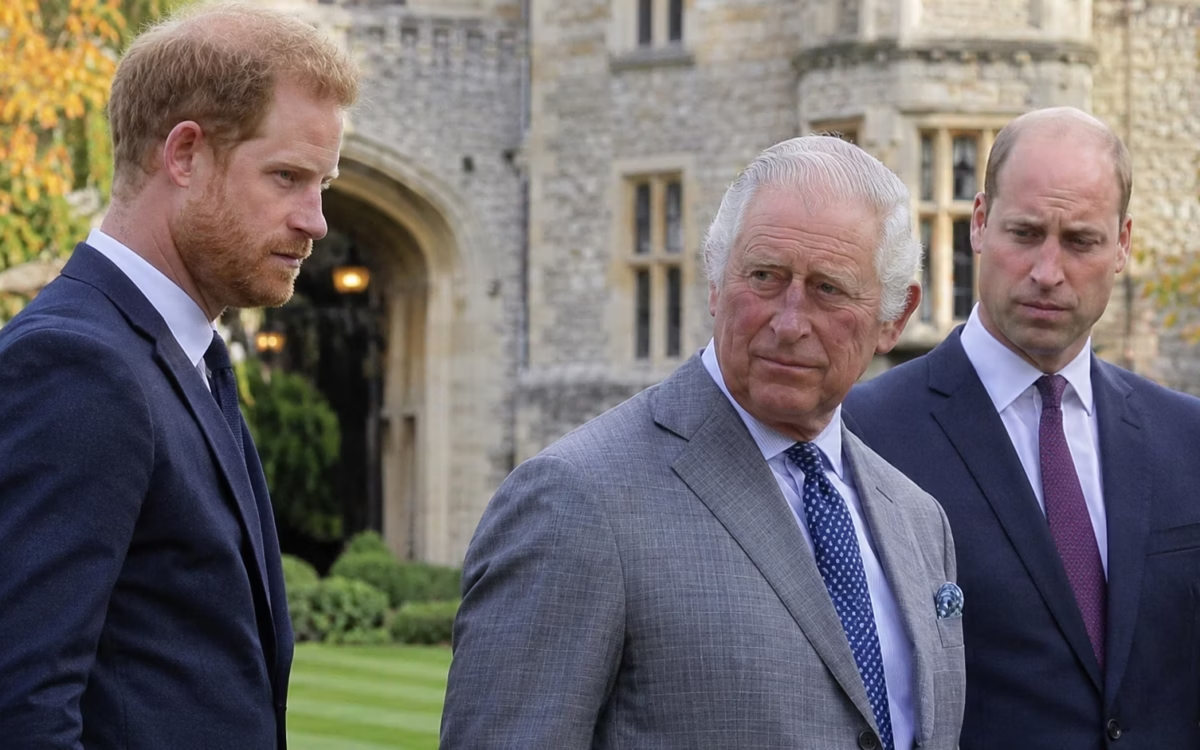
Table of Contents
Prince Harry’s return to the United Kingdom has created fresh challenges and opportunities for the Royal Family, raising questions about reconciliation, royal responsibilities, security arrangements and the future relationship between the Duke of Sussex and his relatives.
After spending approximately six years in California, Prince Harry and Meghan Markle returned to Britain with their children, Prince Archie and Princess Lilibet, in August 2026.
Their decision attracted widespread attention, particularly because relations with King Charles III and Prince William had remained strained following the couple’s departure from official royal duties in 2020.
The Prince Harry UK return impact extends beyond personal family relationships.
It has renewed public discussion about taxpayer-funded security, the distinction between working and non-working royals, and whether Harry can rebuild his public presence in Britain while maintaining his independence.
How Has Prince Harry’s Return Changed His Life in Britain?
Prince Harry’s move back to Britain represents a significant change for the Sussex family, particularly after several years of establishing their personal and professional lives in the United States.
The couple announced their decision in August 2026 before arriving in Britain on 26 August with their children.
The family is understood to be living in a private property in the Cotswolds, although the precise location has not been publicly disclosed because of security concerns.
The wider Prince Harry and Meghan Markle UK move has also prompted questions about whether Britain will become their long-term home or whether they will continue dividing their time between countries.
One immediate change involves their children’s education. Archie and Lilibet have begun attending school in Britain, introducing them to a different environment after growing up primarily in California.
During an appearance on ITV’s This Morning on 20 November, Harry described the adjustment as a significant cultural change for his children.
He also spoke positively about returning to familiar surroundings, declaring that Britain still felt like home despite the years spent overseas.
The couple’s renewed presence has also increased opportunities for charitable engagements and public appearances.
On 15 October, Harry and Meghan visited Nottingham for their first joint public engagement since returning. They met representatives from organisations supporting young people and communities experiencing food poverty.
Their return has therefore created an opportunity to reconnect with British charitable causes without formally rejoining the working Royal Family.
What Impact Could Prince Harry’s Return Have on King Charles and Prince William?
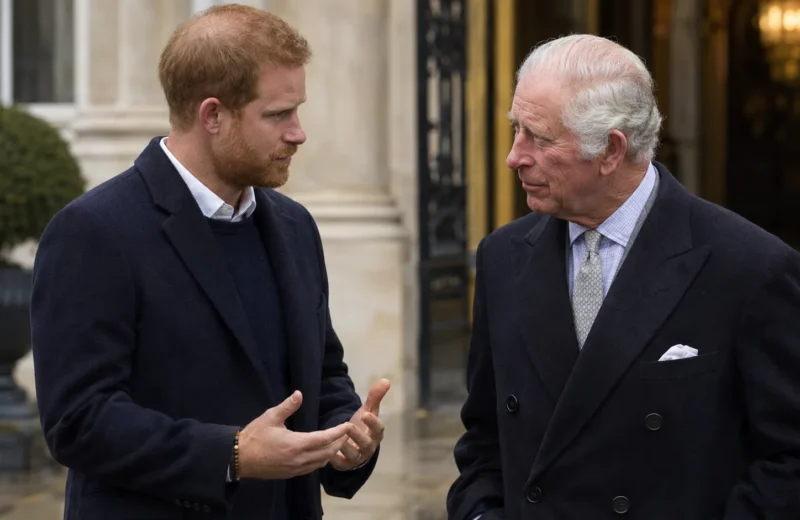
One of the most closely watched consequences of Harry’s return concerns his relationships with King Charles and Prince William.
Relations between Harry and senior royals deteriorated after he and Meghan stepped away from their official responsibilities in 2020.
Subsequent television interviews, public allegations and Harry’s autobiography, Spare, increased tensions by bringing previously private family disagreements into public discussion.
However, developments during 2026 suggested there might be opportunities for renewed contact.
On 10 July, King Charles and Queen Camilla welcomed Harry, Meghan and their children to Highgrove House in Gloucestershire.
The private gathering was significant because it allowed the King to spend time with his son and grandchildren before the Sussex family’s move back to Britain.
Nevertheless, the possibility of another King Charles and Prince Harry meeting remains a subject of speculation, with no publicly confirmed complete reconciliation.
Living in the same country could make private meetings easier to arrange. Family birthdays, holidays and other personal occasions may offer opportunities to rebuild communication gradually.
The situation involving Prince William appears more complicated.
The Prince of Wales has not publicly outlined a detailed response to Harry’s relocation. Reports suggesting he remains reluctant to reconcile are based largely on unnamed sources rather than direct statements.
William’s responsibilities as heir to the throne also create institutional considerations. Any renewed relationship would need to distinguish private family contact from the official responsibilities undertaken by working royals.
Harry’s return does not automatically resolve years of disagreement, but it removes some of the geographical barriers that previously complicated family contact.
Whether this leads to meaningful reconciliation will depend on rebuilding trust rather than simply increasing opportunities to meet.
Why Are Security and Royal Responsibilities Still Major Concerns?
Security remains one of the most consequential issues surrounding Prince Harry’s return to the United Kingdom.
After leaving his position as a working royal, Harry challenged changes to his publicly funded police protection.
His legal challenge was unsuccessful in 2025, leaving questions about the security arrangements available to him and his family during visits to Britain.
The family’s relocation in August 2026 prompted a fresh examination of their circumstances.
In September, ITV News reported that the Executive Committee for the Protection of Royalty and Public Figures, known as RAVEC, had commissioned new risk assessments for Harry and Meghan.
These reviews consider whether their changed circumstances justify different protective arrangements.
However, a security review does not guarantee taxpayer-funded police protection. Any decision must follow the relevant assessment process rather than being determined by the Royal Family itself.
The debate also involves public spending and the protection of high-profile individuals who no longer undertake official royal duties.
Alongside security, Buckingham Palace has emphasised that Harry and Meghan’s constitutional and ceremonial position remains unchanged.
A formal communication issued in September on King Charles’s instructions clarified that the Duke and Duchess of Sussex continue to operate independently of the Royal Household.
The position was reinforced in the confirmation that Prince Harry and Meghan remain non-working royals, despite living in Britain again.
They can continue supporting charitable organisations and pursuing commercial activities, but those engagements are not undertaken on behalf of the monarch.
This distinction matters because the couple’s appearances can attract significant public attention even when they are acting privately.
For Buckingham Palace, maintaining clear boundaries may help prevent confusion about which individuals officially represent the Crown.
For Harry, the challenge is balancing his public identity, charitable ambitions and responsibilities towards his family while remaining outside the working monarchy.
Could Prince Harry’s UK Return Change the Royal Family’s Future?
Prince Harry’s renewed presence in Britain could have lasting implications for the monarchy, particularly concerning public perception and charitable engagement.
His return has not necessarily translated into greater public popularity.
YouGov polling conducted on 22 and 23 October 2026 found that 29% of Britons held a positive opinion of Harry, compared with 60% who viewed him unfavourably.
Meghan’s approval was lower, with 20% expressing a positive opinion.
However, public attitudes towards family reconciliation appear more encouraging.
An Ipsos survey published in September found that 38% of respondents believed reconciliation between the Sussexes and other members of the Royal Family would be positive, compared with 17% who considered it undesirable.
These results suggest that public opinion about Harry and Meghan is distinct from attitudes towards resolving their family disagreements.
Another important development involves the Invictus Games.
Harry’s commitment to supporting wounded, injured and sick military personnel remains a central part of his public work.
The Invictus Games will return to Britain in July 2027, with Birmingham hosting the international sporting event from 10 to 17 July.
On 20 November 2026, ITV announced that it would become the exclusive UK broadcaster for the event, with Harry appearing on This Morning to discuss preparations.
The Games are expected to welcome 550 competitors representing 26 nations, providing Harry with a prominent opportunity to support veterans and military families on British soil.
This charitable involvement could strengthen his connection with audiences without requiring an official royal role.
Meanwhile, attention is turning towards the Sussex family’s first Christmas season in Britain since their relocation.
According to a report published by People on 20 November, Harry and Meghan are planning a private Christmas at their British home, rather than joining the wider Royal Family’s traditional celebrations at Sandringham.
Those reported plans underline an important distinction: living closer to royal relatives does not necessarily mean immediately returning to longstanding family traditions.
Looking ahead, the impact of Harry’s return will depend on several developments, including the outcome of security assessments, his relationship with William and Charles, and how his charitable activities evolve.
For King Charles, the coming months may offer opportunities to strengthen family connections while preserving established royal boundaries.
For Prince Harry, Britain represents both a return to familiar surroundings and a new chapter in his life outside the working monarchy.
Ultimately, Prince Harry’s UK return could influence the Royal Family for years to come, but its greatest significance may lie in whether private relationships can recover while the Duke and Duchess of Sussex maintain their independent lives.
“Prince Harry’s return to Britain may bring him physically closer to the Royal Family, but rebuilding trust with King Charles and Prince William could prove far more challenging than overcoming the distance that once separated them.”
— Henry, Londoner Editorial
About the Journalist
Henry is the editorial head and lead author at Londoner. He oversees the publication’s editorial direction, article quality, source verification and corrections process. He also reviews major stories before publication to ensure they meet Londoner’s standards for accuracy, fairness and transparency.