Rupert Lowe Restore Tax Policy: £156bn Cuts Plan Would Abolish Stamp Duty And End Triple Lock
 Published By
Ben
Published By
Ben
Published:
Updated:
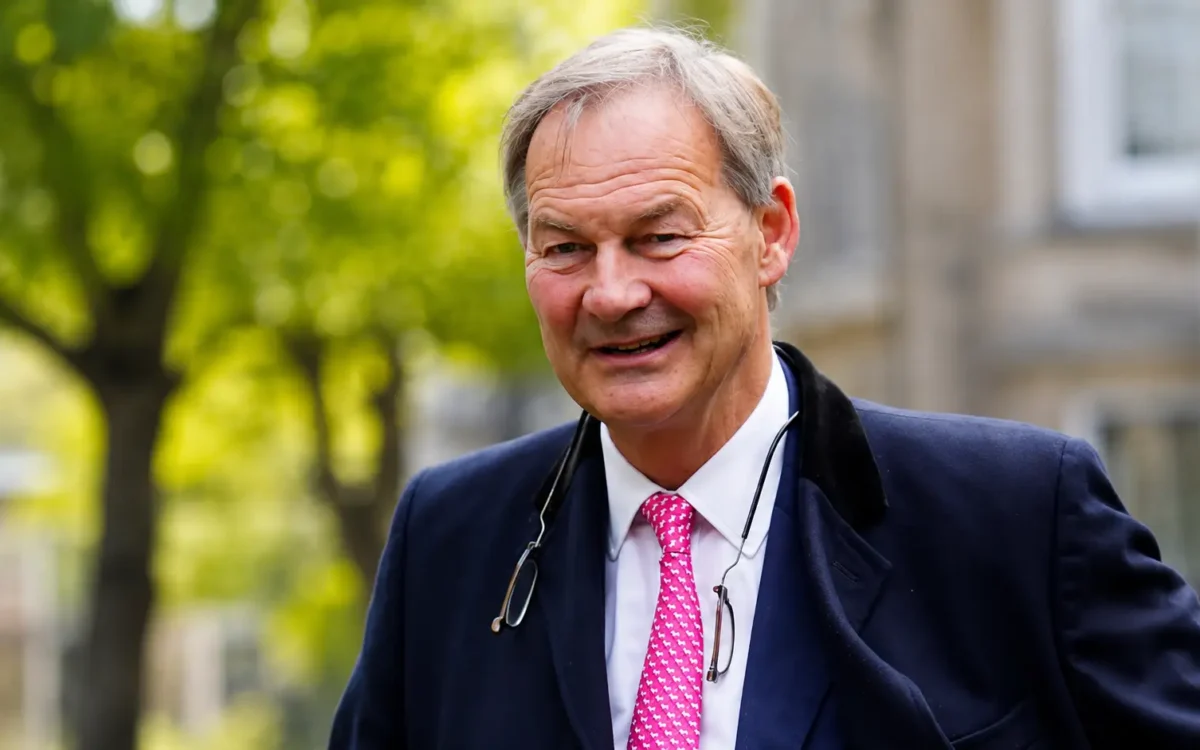
Restore Britain says it would raise the personal allowance to £16,000, extend the basic-rate band to £100,000 and abolish several taxes, although questions remain over the cost of the proposals.
Rupert Lowe has unveiled a sweeping Restore Britain tax policy promising almost £156 billion of reductions alongside major cuts to benefits, departmental budgets and net-zero spending.
The party’s economic paper puts the total cost of its proposed tax changes at £155.7 billion. Restore says they would be introduced gradually and only after being matched by £178 billion of public-spending savings by 2031-32. The figures are the party’s estimates and have not been presented as an independent Office for Budget Responsibility assessment.
The central income-tax proposal would increase the personal allowance from £12,570 to £16,000, meaning workers could earn an additional £3,430 before paying tax. Restore would also extend the basic-rate band to £100,000 and give the full personal allowance to taxpayers earning more than £100,000. The party estimates that package would cost £49.2 billion.
Under the current 2026-27 rules in England, Wales and Northern Ireland, income up to £12,570 is generally tax-free, the 20% rate runs to £50,270 and the 40% rate applies between £50,271 and £125,140. The personal allowance is gradually withdrawn once income exceeds £100,000. Scotland sets different income-tax bands.
On a straightforward reading of Restore’s proposal, a basic-rate taxpayer earning at least £16,000 could save up to £686 a year from the higher allowance alone. Someone earning £60,000 could save about £2,632 because part of their income would also move from the 40% band to the 20% band. Those illustrations exclude National Insurance and assume the published thresholds operate exactly as described.
Restore would make further reductions for companies. It proposes a zero corporation-tax rate on the first £50,000 of profits, followed by a 19% rate above that level, with an aspiration to lower it to 15% later. Current rules charge 19% on profits of £50,000 or less, with the rate rising through marginal relief to 25% for profits above £250,000.
The plan would also reduce VAT from 20% to 18% and raise the registration threshold to £150,000. It proposes abolishing stamp duty in all its forms, inheritance tax, insurance premium tax and air passenger duty, among other levies.
For London residents and businesses, abolishing stamp duty would be one of the most immediately significant measures because it would remove a major upfront cost from property transactions. Raising the VAT threshold could also take some smaller firms out of the system, while the wider income-tax bands would deliver particularly large reductions to higher earners.
Questions have also been raised about Restore’s broader calculations. The Telegraph reported that the income-tax measures could cost about £100 billion, roughly twice the £49.2 billion stated in the party’s paper. That difference is material because Lowe’s plan says tax cuts would proceed only when sufficient savings had been secured.
Restore proposes finding savings by ending the state pension triple lock and linking annual increases only to inflation, freezing working-age benefits at 2025-26 levels, restricting those benefits to British citizens and freezing most departmental budgets for three years. Defence, healthcare and debt-interest spending would be exempt from the departmental freeze.
The triple lock currently raises the state pension by the highest of inflation, average earnings growth or 2.5%. It remains government policy and was used to increase pension payments for the 2026-27 financial year, meaning Restore’s proposal would require a future change in law.
The economic plan follows Lowe’s public call for Nigel Farage and Reform UK to explore cooperation despite their previous disputes. No agreement has been reached, and the tax proposals remain Restore Britain policy rather than measures scheduled for implementation.
About the Journalist
Ben covers business, transport and global developments for Londoner. His reporting focuses on London’s economy, major companies, infrastructure, public transport and international stories that may affect people and businesses across the capital. He explains complex developments clearly using reliable sources and relevant context.


One reader comment