Is There Going To Be A Blackout In The UK? National Grid Responds To Power Cut Fears
 Published By
Olivia
Published:
Updated:
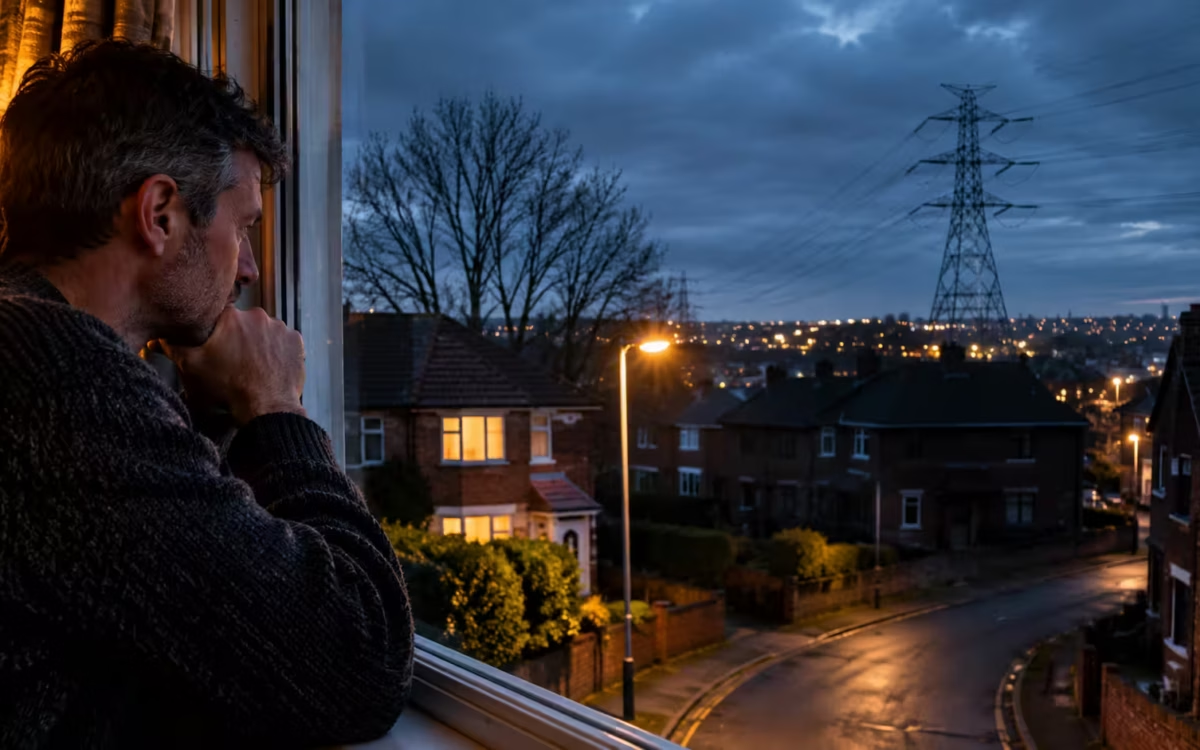
Concerns about a possible nationwide electricity blackout have intensified across the UK following viral social media warnings, recent electricity supply alerts and new government advice encouraging households to prepare for emergencies.
But is there going to be a blackout in the UK? The latest official information offers reassurance.
National Grid has rejected claims that a nationwide electricity outage will take place on Thursday, 19 November 2026, while the National Energy System Operator (NESO) maintains that Britain has sufficient electricity supplies for the coming winter.
The concerns follow a series of online posts suggesting that millions of households could lose electricity without warning.
Some posts have referred to 17 November, while another widely circulated image claimed that National Grid had identified a critical fault requiring a major shutdown on 19 November.
National Grid addressed the latter claim on 16 November, confirming that the circulating information was false.
In a statement published through its official social media account, the company said:
“There is no outage expected.”
It also encouraged people to disregard misleading posts, report misinformation and rely on official communications when checking electricity supply information.
The warning comes as households across Britain are becoming increasingly concerned about energy security, particularly with colder weather approaching and international energy markets remaining under pressure.
However, there is currently no official forecast of a nationwide blackout in Britain, and the government has not announced any planned national electricity shutdown.
Why Are People Worried About a UK Blackout?
The latest rumours have emerged during a period of heightened public awareness of electricity infrastructure and emergency planning.
On 9 November 2026, Britain’s electricity system operator issued an Electricity Margin Notice after forecasts indicated that the country’s reserve electricity capacity could fall below its preferred operating margin.
The initial forecast identified a shortfall of approximately 1,388 megawatts in the reserve margin for the following morning.
The notice encouraged electricity generators and other market participants to make additional capacity available. As conditions improved, the projected shortfall narrowed to 500 megawatts and subsequently to 200 megawatts.
By approximately 9.11am on 9 November, the notice had been cancelled.
Importantly, the alert was not an announcement that electricity supplies were about to fail. Electricity Margin Notices are operational measures used to secure additional capacity before shortages develop.
The incident nevertheless attracted attention because electricity demand generally increases during colder months, while renewable generation can fluctuate depending on weather conditions.
Britain’s electricity network relies on a combination of gas-fired generation, wind power, battery storage, other generation sources and electricity imported through connections with neighbouring countries.
If wind generation falls during a cold period, the system operator may need to secure additional generation or imports to maintain its preferred safety margin.
That does not automatically mean households will experience power cuts.
According to NESO’s Winter Outlook 2026/27, published on 23 October, Britain is expected to maintain an operational electricity surplus of approximately 5.9 gigawatts during the winter.
This represents a 9.5% buffer above the operator’s assessment of peak electricity demand, broadly comparable with the previous winter.
The forecast was developed using extensive modelling, including 30,000 scenarios for each day of winter, covering different combinations of electricity demand, weather conditions, generator availability and wind output.
Dr Deborah Petterson, Director of Whole Energy System Resilience at NESO, said:
“Our Winter Outlook shows we have sufficient margins and a diverse mix of generation sources to meet demand.”
Petterson also highlighted the resilience of Britain’s electricity infrastructure despite geopolitical uncertainty and continuing disruption in global energy markets.
Her assessment reflects the distinction between a potential period of tighter electricity margins and an actual shortage requiring power cuts.
Although individual days may present additional operational challenges, the system operator expects to have sufficient resources to maintain electricity supplies throughout the winter.
The latest forecasts apply to Great Britain’s electricity system. Northern Ireland operates within a separate electricity market and system.
Another factor behind the growing concern is renewed public discussion about what would happen if Britain suffered a prolonged national power outage.
BBC reporting earlier in November examined contingency arrangements for a so-called “Black Sky” event, a severe disruption in which electricity failures could also affect communications, transport and other essential infrastructure.
The existence of such emergency arrangements has prompted speculation online, but planning for an extreme scenario is not evidence that authorities expect it to happen.
The government has previously described a complete national power outage across Great Britain as a very unlikely event.
Emergency planning is designed to ensure that critical services can continue operating, and that public information can be communicated, even during exceptional circumstances.
Government’s Three-Day Emergency Advice Raises Questions
Public concern has also been influenced by the government’s recently launched Be Ready campaign.
Introduced on 22 October 2026, the initiative encourages households to consider how they would manage if electricity, water, telecommunications or internet services were temporarily unavailable.
The campaign recommends preparing for up to three days of disruption, including keeping essential household supplies readily available.
Although some social media discussions have interpreted the advice as a sign that authorities expect a prolonged blackout, the government has made clear that it is part of a broader national resilience programme.
The recommendations address multiple emergencies, including severe storms, flooding, power cuts and other unexpected disruptions.
Security Minister Dan Jarvis explained when the campaign launched that household preparation could reduce pressure on emergency services and allow assistance to be prioritised for people requiring additional support.
Laura Scott, Director for UK Resilience at the British Red Cross, also supported the preparedness campaign.
“We can’t control when emergencies happen, but we can all take some simple steps to be prepared,” Scott said.
The British Red Cross has emphasised the importance of trusted information, community support and practical preparations that can help households cope during unexpected disruption.
The government’s official emergency preparedness guidance recommends keeping a torch, spare batteries, drinking water, non-perishable food and a battery-powered or wind-up radio available.
Households are also encouraged to keep mobile devices charged, maintain access to important telephone numbers and consider whether vulnerable family members might need additional assistance.
These measures are precautionary and do not indicate that a nationwide blackout has been scheduled.

There is also an important difference between an ordinary power cut and a national electricity failure.
Localised interruptions can occur because of damaged electricity cables, equipment faults, severe weather or infrastructure maintenance.
Such incidents may affect individual streets, neighbourhoods or larger areas without indicating a problem with Britain’s overall electricity supply.
A nationwide blackout would involve a substantially more serious and widespread failure of the electricity system.
For residents in London and other major cities, the more realistic concern remains local interruptions caused by weather conditions or network faults rather than the collapse of the national electricity grid.
People experiencing an unplanned electricity outage in England, Scotland or Wales can call 105 free of charge to contact their local electricity network operator.
In Northern Ireland, the relevant power-cut reporting number is 03457 643643.
Those who rely on electrically powered medical equipment or require additional support may also be eligible for assistance through their utility provider’s Priority Services Register.
With winter approaching, electricity demand, generator availability and weather conditions will continue to be monitored closely by energy authorities.
Unexpected technical failures and severe weather cannot be ruled out, and individual households may still experience local power cuts during the colder months.
Nevertheless, the available evidence does not support claims that Britain is preparing for a deliberate or imminent nationwide shutdown.
The latest official winter assessment expects sufficient electricity supplies, while National Grid has specifically dismissed the viral warning concerning 19 November.
For households asking whether there is going to be a blackout in the UK, the position as of 17 November 2026 remains that no nationwide blackout is forecast or officially scheduled.
About the Journalist
Olivia covers London life, culture and lifestyle for Londoner. Her work includes food, shopping, neighbourhood trends, attractions, local experiences and practical guides for residents and visitors. She focuses on engaging stories that reflect everyday life across the capital.