Four London Boroughs Mansion Tax 2028 Could See Residents Pay More Than Half of National Bill
 Published By
Lucy
Published By
Lucy
Published:
Updated:
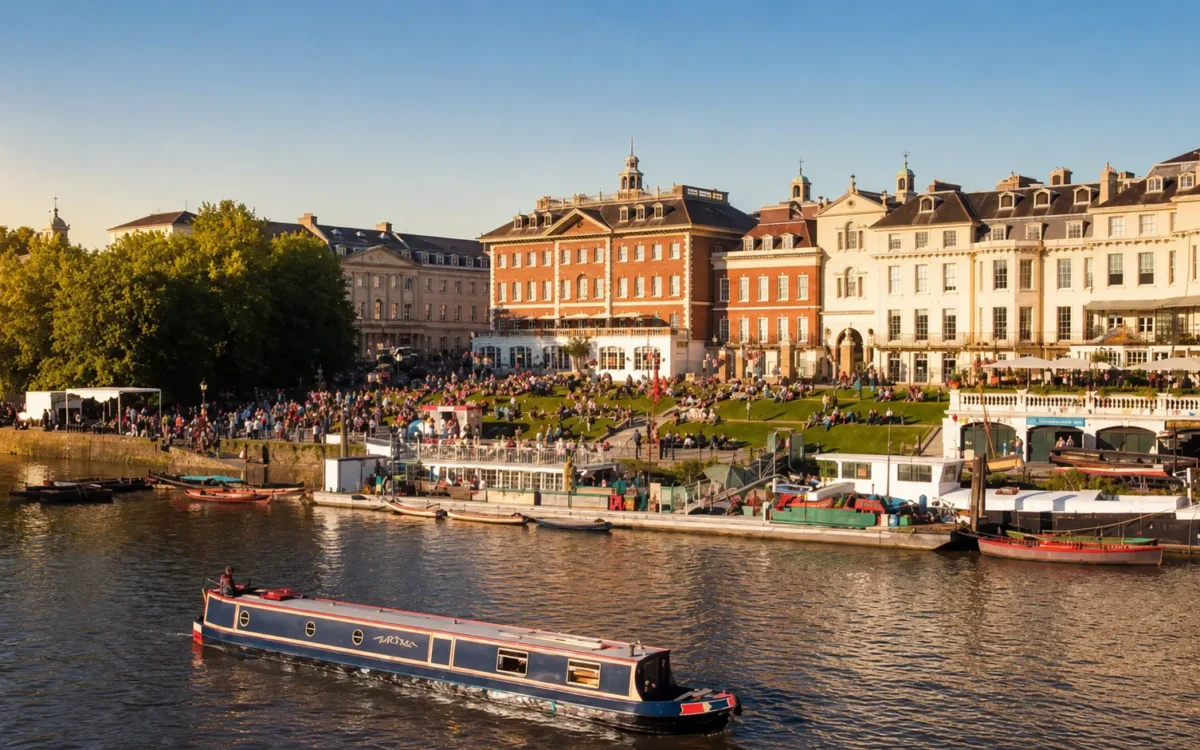
Council leaders in Kensington and Chelsea, Westminster, Richmond and Wandsworth are urging the government to rethink its planned London mansion tax, warning that homeowners in the four boroughs could shoulder more than half of the national revenue raised.
Four London councils have called on Chancellor John Healey to rethink the government’s planned “mansion tax”, claiming residents in their boroughs could collectively face bills of about £270 million a year.
The leaders of Kensington and Chelsea, Westminster, Richmond upon Thames and Wandsworth say the High Value Council Tax Surcharge would fall disproportionately on London homeowners whose properties have risen sharply in value, including some long-term residents whose incomes have not kept pace.
The report says that the four boroughs could account for about 55% of the amount raised by the measure. The councils themselves have published slightly different estimates: Kensington and Chelsea puts their combined contribution at around £270 million, while Richmond says approximately £275 million. Both describe the figure as more than half of the national total.
How the London Mansion Tax Would Work?
The surcharge is due to begin in April 2028 and will apply to owners of residential properties in England valued at £2 million or more. It will sit alongside existing council tax rather than replacing it.
Under the government’s current proposals, properties worth between £2 million and £2.5 million would attract an additional £2,500 annual charge. That rises to £3,500 for homes valued between £2.5 million and £3.5 million, £5,000 between £3.5 million and £5 million, and £7,500 for homes worth more than £5 million.
The Valuation Office will carry out a targeted valuation exercise, with properties placed into one of four bands. The government says charges will subsequently rise with inflation and properties will generally be revalued every five years, with the next exercise planned for 2033.
Ministers estimate the surcharge will eventually raise around £430 million annually and affect less than 1% of properties. The government argues the change addresses an imbalance in the existing system, pointing out that some multimillion-pound homes currently attract lower council tax bills than significantly cheaper properties elsewhere in England.
There is, however, a numerical difference between the figures now being used publicly. If £270 million were compared directly with the government’s £430 million annual revenue forecast, the four boroughs would account for roughly 63%, rather than 55%.
The published council statements do not reconcile that difference, so the estimates should not be treated as directly comparable without the underlying modelling.
Councils Raise Concerns Over Homeowners and Administration
The four council leaders argue that property value alone does not necessarily reflect a household’s ability to pay.
Kensington and Chelsea leader Elizabeth Campbell said the policy could affect pensioners, families and established residents who have remained in their communities while property prices increased around them. Westminster leader Paul Swaddle similarly warned that high property values in the borough did not always translate into high household incomes.
A proposed deferral scheme could offer support to some homeowners. The government consultation suggested eligibility for households with annual income of £35,000 or less or savings of £16,000 or less. Deferred amounts would ultimately be secured against the property, with interest charged.
The dispute is also about where the money goes. Councils would collect the surcharge, but the four borough leaders say they would not retain the revenue locally. The government says the money would support local government services nationally and has promised councils will be compensated for the additional cost of administering the scheme.
That concern extends beyond the four London boroughs. The Local Government Association has warned that making councils administer what it regards as a national tax could create substantial costs and confusion, particularly because the surcharge would be charged to property owners while ordinary council tax is generally the responsibility of occupiers.
The government consultation closed on 14 July 2026. The four London councils are now asking ministers to pause and reconsider the scheme before its planned introduction in April 2028.
About the Journalist
Lucy reports on London’s boroughs and the capital’s sporting community. Her coverage includes council decisions, neighbourhood developments, community issues, football, tennis, cricket and major sporting events. She focuses on stories that connect local communities and highlight the people and organisations shaping London.