King Charles Stripped Nine People of MBEs and OBEs: Full List and Reasons Explained
 Published By
Adam
Published:
Updated:
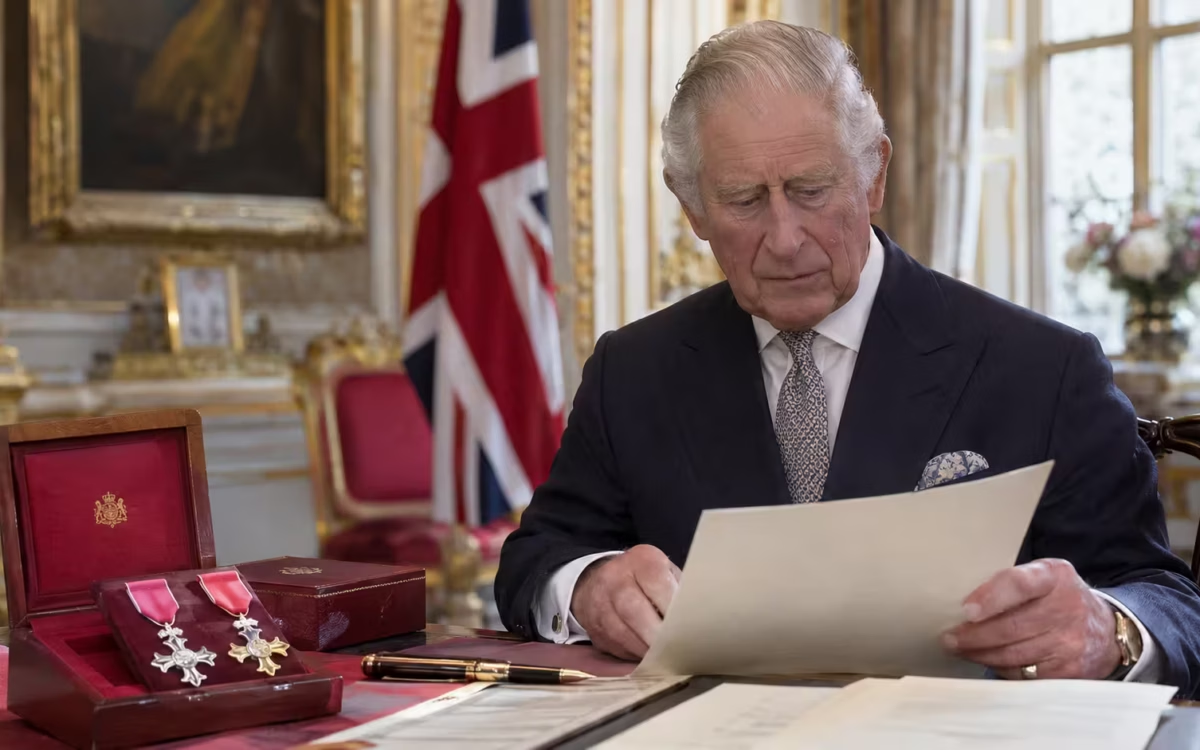
Table of Contents
King Charles III approved the removal of MBEs and OBEs from nine people in March 2026, including former Scotland rugby captain Stuart Hogg and the founder of a Cumbrian owl sanctuary. The decision followed criminal convictions, professional disciplinary findings and conduct judged to have damaged the reputation of Britain’s honours system.
The cancellations were formally announced in The Gazette on 5 March.
Although headlines about the nine recipients have continued circulating, they refer to that March announcement, not a fresh set of removals in November. Further forfeitures have since been recorded during 2026, making the distinction important.
Who Were the Nine People Stripped of Their MBEs and OBEs?
The Cabinet Office’s official forfeiture register records seven MBEs and two OBEs withdrawn in March 2026. It identifies each recipient, the award originally received and the broad reason for its cancellation.
- Ian Ashbolt: MBE awarded in 2016, removed following a criminal conviction.
- Lloyd Hamilton: MBE awarded in 2011, removed following a criminal conviction.
- Angela Middleton: MBE awarded in 2019, removed for bringing the honours system into disrepute.
- Nigel O’Connor: MBE awarded in 2015, removed following professional censure.
- Tony Reilly: OBE awarded in 2011, removed following professional censure.
- Paul Rose: MBE awarded in 2002, removed following a criminal conviction.
- Anant Shah: OBE awarded in 2020, removed for bringing the honours system into disrepute.
- Graham Trewhella: MBE awarded in 2010, removed following a criminal conviction.
- Stuart Hogg: MBE awarded in 2024, removed following a criminal conviction.
All nine names appeared in the official notice issued from St James’s Palace. The wording stated that the relevant appointments had been cancelled and annulled, and that the recipients’ names were to be erased from the register of the Order of the British Empire.
It is important not to assume that everyone named was convicted of a crime. The register distinguishes criminal convictions from professional censure and wider conduct deemed unacceptable for an honours recipient.
It does not give a detailed case history for every individual.
Why Stuart Hogg and Owl Sanctuary Founder Paul Rose Lost Their Honours?
Stuart Hogg was among the highest-profile people affected. The former Scotland captain had received an MBE in the 2024 New Year Honours for services to rugby.
His sporting career included representing Scotland internationally and touring with the British and Irish Lions.
However, Hogg pleaded guilty in 2024 to a charge of domestic abuse against his then-estranged wife, Gillian. The proceedings concerned a course of abusive behaviour, and he received a community payback order in January 2025.
The subsequent forfeiture meant that his sporting achievements no longer entitled him to retain the royal distinction. The Gazette listed his full name, Stuart William Hogg, in the March cancellation notice.
Another case involved Paul Allen Rose, the founder of Barrow’s Owl Sanctuary in Cumbria. Rose had received an MBE in 2002, recognising his earlier contribution, but was later convicted of animal welfare offences.
He was sentenced in May 2024 after pleading guilty to two counts of causing unnecessary suffering to a protected animal and one count of failing to ensure animal welfare.
His inclusion in the honours forfeiture announcement attracted particular attention because his work had been associated with caring for birds.
The other cases covered different areas of public and professional life. Angela Middleton and Anant Shah lost their honours on the grounds of bringing the honours system into disrepute.
Nigel O’Connor and Tony Reilly were listed under professional censure, while Ian Ashbolt, Lloyd Hamilton and Graham Trewhella were recorded under criminal convictions.
These categories matter. A finding of professional censure is not automatically the same as a court conviction, and the published forfeiture register should not be read as suggesting otherwise.
How Can King Charles Remove an MBE or OBE?
An MBE, or Member of the Order of the British Empire, commonly recognises significant service to a community or particular field.
An OBE, or Officer of the Order of the British Empire, generally recognises distinguished contributions on a wider scale. Both are awarded in the monarch’s name, but neither is guaranteed for life regardless of subsequent conduct.
King Charles does not simply draw up a list of people whose honours should disappear.
Under the established process, cases are considered by the Honours Forfeiture Committee, which operates through the Cabinet Office. Its recommendations are submitted through the Prime Minister to the King for final approval.
According to official forfeiture guidance, reasons for considering withdrawal include serious criminal convictions, disciplinary action by professional regulators and behaviour that brings the honours system into disrepute.
Relevant behaviour may have occurred before or after the honour was awarded.
The committee can review findings made by courts or professional bodies, but it does not itself decide whether a person is criminally guilty. Cases are assessed individually, and the committee may invite written representations where the evidence is not clear-cut.
Once forfeiture is approved, a notice is normally published in The Gazette.
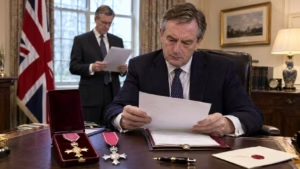
Recipients are asked to return their insignia to Buckingham Palace and must stop using letters such as MBE or OBE after their names. They can no longer present themselves publicly as holders of the cancelled distinction.
The procedure therefore goes beyond the symbolic removal of a medal. It formally withdraws recognition previously conferred by the Crown and changes how that person may describe their achievements in professional or public settings.
What the Nine Forfeitures Mean for the Monarchy in 2026?
The March decision was not the end of honours removals in 2026.
The Cabinet Office subsequently recorded the forfeiture of former Democratic Unionist Party leader Jeffrey Donaldson’s knighthood in July, followed by five more individuals in an October update.
Those later cases included former Royal Navy chief Ben Key, who lost two honours. The wider 2026 honours forfeiture record covers these subsequent developments.
Together, the cases underline the tension at the heart of the honours system.
Awards recognise outstanding contributions, often after years of work, but continued possession also carries an expectation that recipients uphold standards consistent with public recognition.
There is a separate distinction between cancelling an MBE or OBE and changing a royal family member’s formal status.
King Charles’s younger brother, Andrew Mountbatten-Windsor, underwent a different process involving royal styles, titles and appointments.
His move to Sandringham after leaving Royal Lodge reflected those wider changes rather than an ordinary civilian MBE forfeiture.
Equally, stepping back from royal duties does not necessarily mean surrendering a title or an honour. The position of Prince Harry and Meghan as non-working royals illustrates how family status, official duties and the honours system remain separate matters.
For the nine people named in March, however, the consequences are unambiguous. Their awards were formally annulled and their names erased from the relevant honours register.
The King approved those decisions following a government-led process, rather than acting on personal preference.
As Britain continues to celebrate public service through the New Year and Birthday Honours, these forfeitures offer a reminder that royal recognition can also be withdrawn.
The central question is whether the honours system can maintain public confidence by celebrating achievement while holding recipients accountable when their conduct fails to meet the standards associated with an award.
“King Charles III’s decision to revoke nine MBEs and OBEs highlights that royal honours are not guaranteed for life, with criminal convictions, professional misconduct and behaviour bringing the honours system into disrepute potentially leading to their removal.”
— Adam, Londoner Editorial
About the Journalist
Adam reports on London news, events and local developments. His coverage includes festivals, exhibitions, public announcements, community stories and important updates affecting people across the city. He aims to provide timely and accessible reporting on what is happening in London.