King Charles Honours List Forfeitures: Who Has Lost Their Royal Awards?
 Published By
Henry
Published:
Updated:
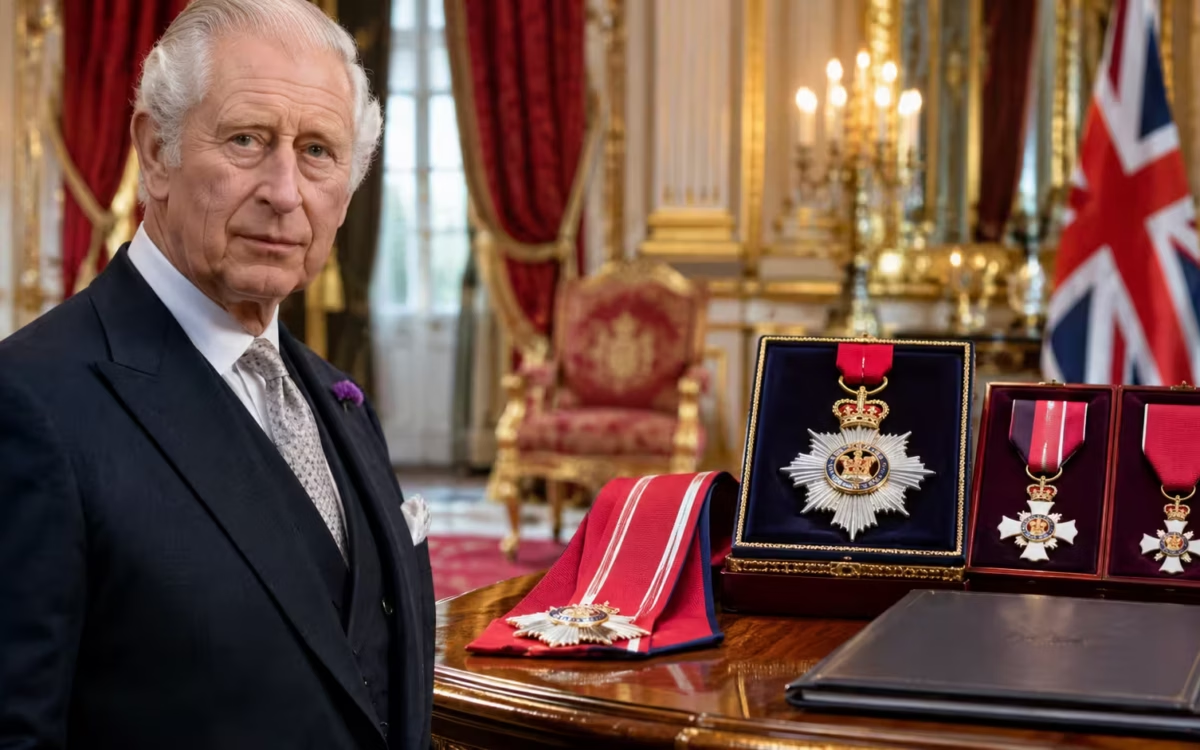
Table of Contents
King Charles III has approved the removal of several prestigious British honours during 2026, with senior military figures, politicians, sports personalities and businesspeople appearing among those who have lost their awards.
The latest King Charles honours list forfeitures, published by the Cabinet Office in October 2026, include the withdrawal of knighthoods, OBEs, MBEs and other distinctions following criminal convictions, professional disciplinary action or conduct considered damaging to the honours system.
The developments have renewed attention on how the monarchy handles the removal of honours and why recognition awarded for public service can later be withdrawn. Although the King makes the final decision, each case normally goes through a formal government-led review.
Who Appears on King Charles’ Latest Honours Forfeiture List?
The Cabinet Office’s official forfeiture record identifies five individuals in its October 2026 update, making it one of the year’s most significant announcements concerning withdrawn honours.
Among the most prominent names is Ben Key, the former head of the Royal Navy, whose Knight Commander of the Order of the Bath (KCB) and Commander of the Order of the British Empire (CBE) were forfeited.
Key received his CBE in 2016 and KCB in 2021. The Cabinet Office recorded professional censure as the reason for the withdrawal of both distinctions.
Another notable case involves Nirpal Riat, a property landlord from west London who received an OBE in 2011.
Riat lost his honour after being convicted in connection with unlawfully rented properties in Hounslow. He was fined more than £300,000 in 2023 following housing enforcement proceedings.
His case attracted particular attention because the forfeiture followed offences involving housing conditions rather than the more commonly publicised political or financial scandals.
The official record identifies the reason for removing Riat’s OBE as conduct bringing the honours system into disrepute. Reports in October indicated that he intended to challenge the decision.
Three further individuals appeared in the October update:
- Maqsood Ahmad: Lost an OBE awarded in 2010 for bringing the honours system into disrepute.
- Ian Hudson: Forfeited an OBE awarded in 2020 following a criminal conviction.
- Charles Montegriffo: Lost an MBE awarded in 2007 following a criminal conviction.
The Government of Gibraltar separately confirmed Montegriffo’s forfeiture on 1 October 2026.
These cases demonstrate that the removal of honours is not restricted to nationally recognised public figures. Recipients from different professional backgrounds may face forfeiture when their conduct fails to meet the standards associated with royal recognition.
Which Other High-Profile Figures Have Lost Honours Under King Charles?
Several other prominent individuals have had honours withdrawn during the King’s reign, including former politicians, sporting figures and senior business leaders.
One of the most significant cases in 2026 involved Jeffrey Donaldson, the former Democratic Unionist Party leader.
Donaldson was awarded a knighthood in 2016 for services to politics. Following his conviction in June 2026 for historical sexual offences, calls intensified for the honour to be removed.
The knighthood was formally annulled in July 2026, with the decision recorded in the Gazette. Donaldson was subsequently sentenced to 15 years in prison in October.
Former Scotland rugby captain Stuart Hogg also lost his MBE in March 2026 after a domestic abuse conviction.
Hogg received the honour in the 2024 New Year Honours for services to rugby. His removal highlighted how misconduct outside someone’s professional achievements can result in the loss of national recognition.
An earlier high-profile forfeiture involved Paula Vennells, the former Post Office chief executive, whose CBE was withdrawn in February 2024 amid the Horizon scandal.
The controversy concerned the wrongful prosecution of hundreds of sub-postmasters following problems with the Post Office’s Horizon accounting system.
Her forfeiture became one of the most widely discussed examples of how serious failures in public responsibility can affect an individual’s honours.
King Charles has also overseen a separate and highly unusual withdrawal of royal honours involving his younger brother, Andrew Mountbatten-Windsor.
In October 2025, Buckingham Palace announced that formal steps were being taken to remove Andrew’s royal style, titles and honours.
His appointments to the Order of the Garter and Royal Victorian Order were formally cancelled, with notices published in December 2025 and the cancellations taking effect from October.
The development coincided with Andrew’s departure from official royal life and eventual relocation from Windsor to Norfolk. His move to the Sandringham Estate became another visible consequence of his changed position within the monarchy.
However, Andrew’s removal of royal titles and personally conferred honours must be distinguished from the ordinary Cabinet Office forfeiture process used for civilian honours.
How Does the Honours Forfeiture Process Work in Britain?
The process of removing a British honour involves several stages and is not simply a personal decision made by King Charles.
Cases are normally examined by the Honours Forfeiture Committee, operating within the Cabinet Office.
According to official government guidance, the committee considers whether an individual’s conduct has brought the honours system into disrepute.
The circumstances that may lead to forfeiture include:
- Criminal Convictions: Serious offences, particularly those resulting in imprisonment.
- Professional Misconduct: Disciplinary findings or removal from a recognised professional body.
- Damage to Public Trust: Behaviour considered incompatible with the responsibilities attached to an honour.
- Historical Misconduct: Relevant conduct occurring before an honour was awarded.
The committee evaluates each case individually rather than automatically withdrawing an honour whenever controversy arises.
Its recommendations are submitted through the Prime Minister to the monarch, who has the authority to approve forfeiture.
When approval is granted, an official notice is normally published in The London Gazette, creating a public record of the decision.
Recipients are then expected to return their insignia to Buckingham Palace and stop using the letters associated with their former distinction.
For example, somebody who loses an OBE can no longer legitimately use those post-nominal letters in professional correspondence or public profiles.
The system also distinguishes between voluntarily giving up an honour and its formal cancellation. An individual may offer to surrender an award, but the honour remains in place until the King officially annuls it.
Royal styles and family relationships operate under different constitutional arrangements.
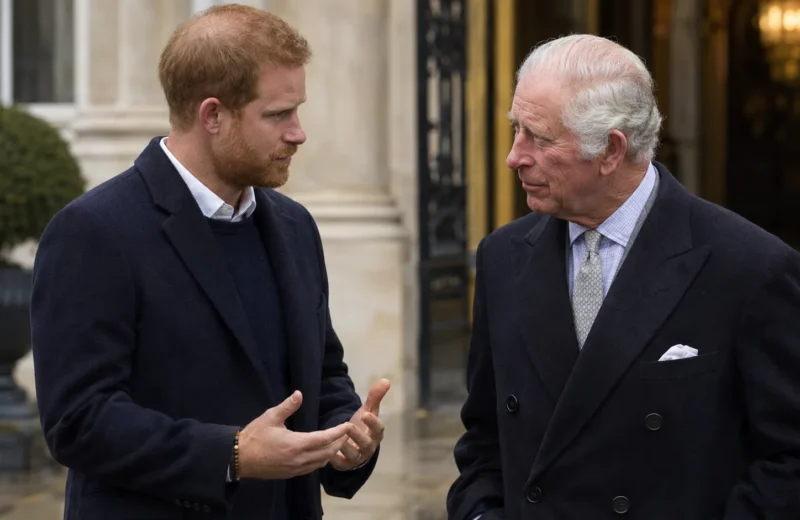
Discussions surrounding King Charles and Prince Harry’s royal relationship illustrate how stepping away from official duties does not necessarily involve the forfeiture of an honour or royal title.
Importantly, the Forfeiture Committee does not announce which individuals are currently being considered. Its role is to assess existing evidence and official findings, rather than conduct criminal investigations or determine guilt.
What Do the 2026 Honours Forfeitures Mean for King Charles and the Monarchy?
The latest forfeitures demonstrate the continuing importance of accountability within Britain’s honours system.
Royal distinctions are intended to recognise exceptional public service, professional achievement and contributions to society. Their value depends partly on public confidence that recipients uphold the standards associated with such recognition.
By approving forfeiture recommendations, King Charles exercises a constitutional responsibility that has become increasingly visible during his reign.
The cases involving Ben Key, Nirpal Riat and Jeffrey Donaldson show that honours can be removed from people occupying very different positions in British society.
Meanwhile, Andrew Mountbatten-Windsor’s loss of royal distinctions has brought the issue much closer to the Royal Family itself.
His removal from official royal life has also raised wider questions about his residence, financial support and independence. Those questions have continued following changes to Prince Andrew’s financial circumstances and his departure from Royal Lodge.
Nevertheless, forfeiture is not equivalent to a criminal conviction, and the grounds for withdrawing an honour can differ considerably between cases.
Some decisions follow court judgments, while others are based on professional findings or behaviour judged incompatible with the honours system.
The 2026 developments also reinforce the distinction between the King’s ceremonial role in awarding honours and his constitutional responsibility for their cancellation.
The Cabinet Office’s published record provides transparency about completed forfeitures, although it does not disclose every detail considered during the decision-making process.
With further New Year Honours announcements approaching, public attention will continue to focus on both those recognised by the Crown and those who have lost that recognition.
For King Charles, the central issue is the credibility of an institution that celebrates service while retaining the power to withdraw recognition when the required standards are no longer met.
About the Journalist
Henry is the editorial head and lead author at Londoner. He oversees the publication’s editorial direction, article quality, source verification and corrections process. He also reviews major stories before publication to ensure they meet Londoner’s standards for accuracy, fairness and transparency.