What to Exclude From a UK Emergency Kit as Government Urges Three-Day Preparation?
 Published By
Lucy
Published:
Updated:
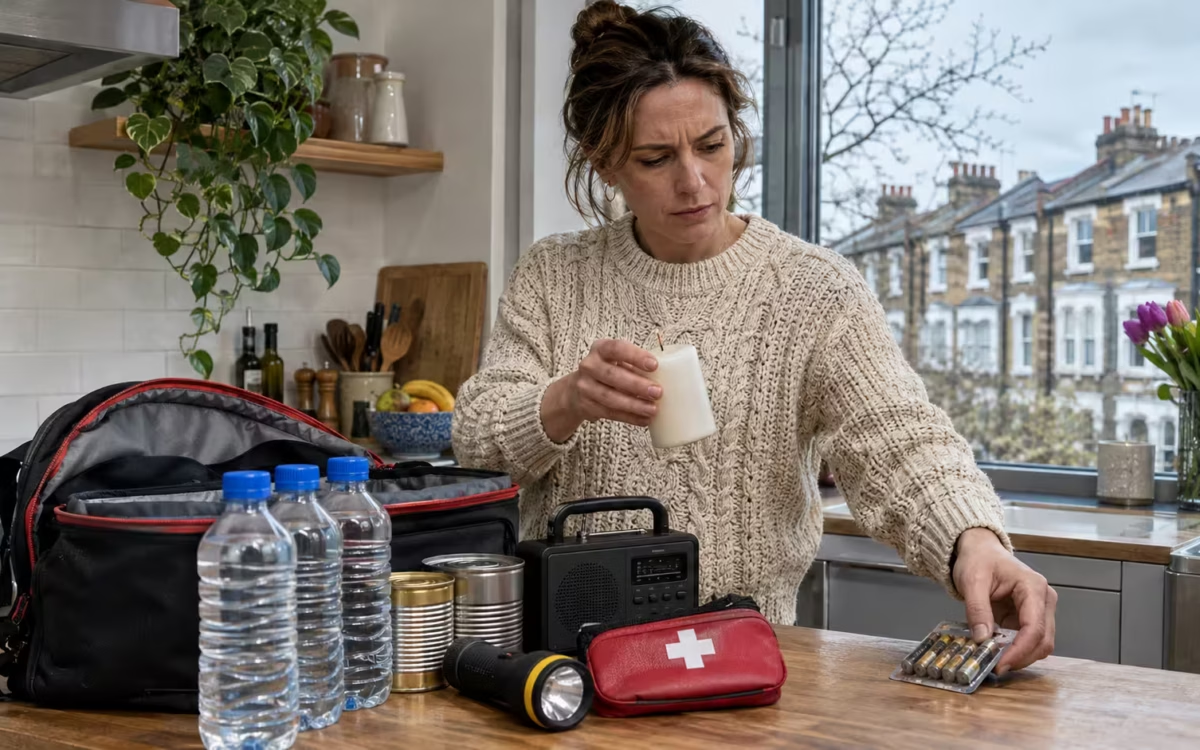
Table of Contents
UK households are being encouraged to prepare essential supplies for emergencies, raising questions about what to exclude from a UK emergency kit and which products may create unnecessary risks.
The Government’s Be Ready campaign recommends preparing for disruptions such as severe weather, power cuts, flooding and water shortages.
Its advice focuses on practical items that can help families cope for three days, rather than expensive survival equipment.
With concerns about a possible UK blackout attracting attention, officials have stressed the value of sensible preparation.
There is no official announcement of an imminent nationwide blackout, and emergency supplies should be assembled without panic buying.
Why Are UK Households Being Advised to Prepare Emergency Kits?
Government guidance encourages households to think about how they would manage if electricity, running water, transport or communications were temporarily unavailable.
A three-day supply of essentials can reduce pressure on emergency responders, allowing them to concentrate on people facing immediate danger.
The Be Ready checklist recommends three litres of drinking water per person per day for three days, alongside non-perishable food, medication, a torch and a battery-powered or wind-up radio. Additional water may be required for cooking and hygiene.
However, an emergency kit does not need to contain every item advertised by survival equipment retailers. Families can begin with supplies already available at home and replace or add items gradually.
It is also important to distinguish between household emergency storage and an evacuation grab bag. Bottled water and food for several people can remain safely stored at home.
A grab bag, by contrast, should contain lightweight essentials that can be carried quickly when leaving a property.
The Government does not publish a single prohibited-items list. Instead, households should use fire safety advice and consider whether products will remain safe and useful when normal services are interrupted.
What to Exclude From a UK Emergency Kit: Six Items to Avoid
Candles and Open-Flame Lighting
Candles may seem convenient during a power cut, but exposed flames increase the risk of fires, especially in crowded homes or near children and pets.
London Fire Brigade recommends safer alternatives such as battery-powered torches and flameless lighting. Spare batteries should be stored with equipment so lights can be used immediately when needed.
Barbecues and Outdoor Camping Stoves for Indoor Use
Portable grills and camping stoves should never be used indoors as emergency substitutes for household cookers or heaters.
London Fire Brigade warns that outdoor cooking equipment presents serious fire hazards and can release carbon monoxide, a potentially fatal gas. This remains dangerous even when doors or windows are open.
A safer emergency food plan prioritises meals that can be eaten cold without relying on gas, electricity or unsafe temporary cooking arrangements.
Fresh Food That Requires Refrigeration
Fresh meat, fish, dairy products and other perishable foods should not form the main emergency food reserve. Refrigerators and freezers may stop working during prolonged electricity interruptions.
Choose shelf-stable products, including tinned vegetables, beans, ready-to-eat meals, dried fruit and suitable snacks. Keep a manual tin opener nearby where needed.
The Government’s wider advice on storing water and tinned food reflects the need for provisions that remain useful when supermarkets or household appliances cannot operate normally.
Expired Medicines and Unnecessary Medical Stockpiles
Expired medicines should be removed from emergency supplies and returned to a pharmacy for safe disposal. They may no longer be reliable or suitable for treatment.
People taking prescription medicines should maintain an appropriate supply, follow storage instructions and arrange repeat prescriptions in good time. Stockpiling excessive quantities is unnecessary and can cause shortages for other patients.
Oversized Equipment and Excessively Heavy Bags
Bulky appliances, unnecessary tools and large quantities of clothing can make an evacuation bag difficult to carry. This is especially important for older residents, children and anyone with limited mobility.
Keep larger food and water supplies at home. In a portable bag, prioritise personal documents, medication, a small amount of water, warm clothing and essential communication equipment.
Flat Batteries, Broken Devices and Excess Cash
A dead power bank, damaged torch or radio without working batteries cannot provide support during an emergency. Test equipment periodically and recharge portable batteries.
A practical amount of cash can help when card terminals or mobile networks are unavailable. However, keeping excessive amounts in an evacuation bag adds a theft or loss risk without improving preparedness.
What Should a Three-Day UK Emergency Kit Include Instead?
Rather than collecting specialist survival gear, households should concentrate on familiar, safe supplies suited to their needs.
The Government’s recommendations include:
- Drinking Water: Three litres per person per day for three days
- Long-Life Food: Ready-to-eat meals and non-perishable essentials
- Torches and Batteries: Lighting that does not require an electrical socket
- Portable Radio: A battery-powered or wind-up radio for official updates
- Charged Power Bank: Backup power for a mobile telephone
- First-Aid Supplies: Dressings, bandages and basic medical essentials
- Necessary Medication: Prescriptions and important health information
- Warm Clothing: Extra layers and blankets in case heating fails
- Essential Documents: Copies of identification, insurance details and useful phone numbers
- Cash and Payment Cards: Sensible payment options for temporary disruption
Households with babies may need ready-to-feed formula, nappies and other childcare supplies. People with disabilities, chronic health needs or electrically powered medical equipment should plan for their individual circumstances.
Pet owners should also keep suitable food, medication and any equipment needed to transport animals safely.
Check use-by dates, batteries and stored supplies regularly. A review every six months can help ensure the kit remains usable, although prescribed medicines and other time-sensitive items may need checking more often.
How Can London Residents Prepare Without Panic Buying?
London households may face particular challenges during emergencies because of limited storage, shared buildings and reliance on public transport. Nevertheless, preparing sensibly need not involve large purchases or complicated equipment.
The October power outage around Liverpool Street showed how a local electricity fault can disrupt homes and businesses. Such incidents illustrate why keeping a torch, charged phone and reliable source of information can be useful.
Residents in flats should know their building’s fire safety instructions and evacuation arrangements. They should not assume leaving immediately is appropriate for every incident: the safest action depends on the emergency and instructions from authorities.
Families can agree on emergency contacts, keep essential telephone numbers written down and identify neighbours who might need additional help.
For an electricity power cut in England, Scotland or Wales, 105 connects callers to their local electricity network operator. Call 999 where there is immediate danger.
The Government’s three-day guidance is a precaution, not a prediction of a national disaster. For people deciding what to exclude from a UK emergency kit, the main priorities are clear: avoid unsafe flames, indoor use of outdoor cooking equipment, expired supplies and unnecessary weight.
A simple, affordable collection of well-maintained essentials will generally prove more practical than a bag filled with expensive items that are unsafe, unreliable or unlikely to be needed.
About the Journalist
Lucy reports on London’s boroughs and the capital’s sporting community. Her coverage includes council decisions, neighbourhood developments, community issues, football, tennis, cricket and major sporting events. She focuses on stories that connect local communities and highlight the people and organisations shaping London.