£2 Bus Fare Cap to Return Across England Outside London From January
 Published By
Jermaine
Published By
Jermaine
Published:
Updated:
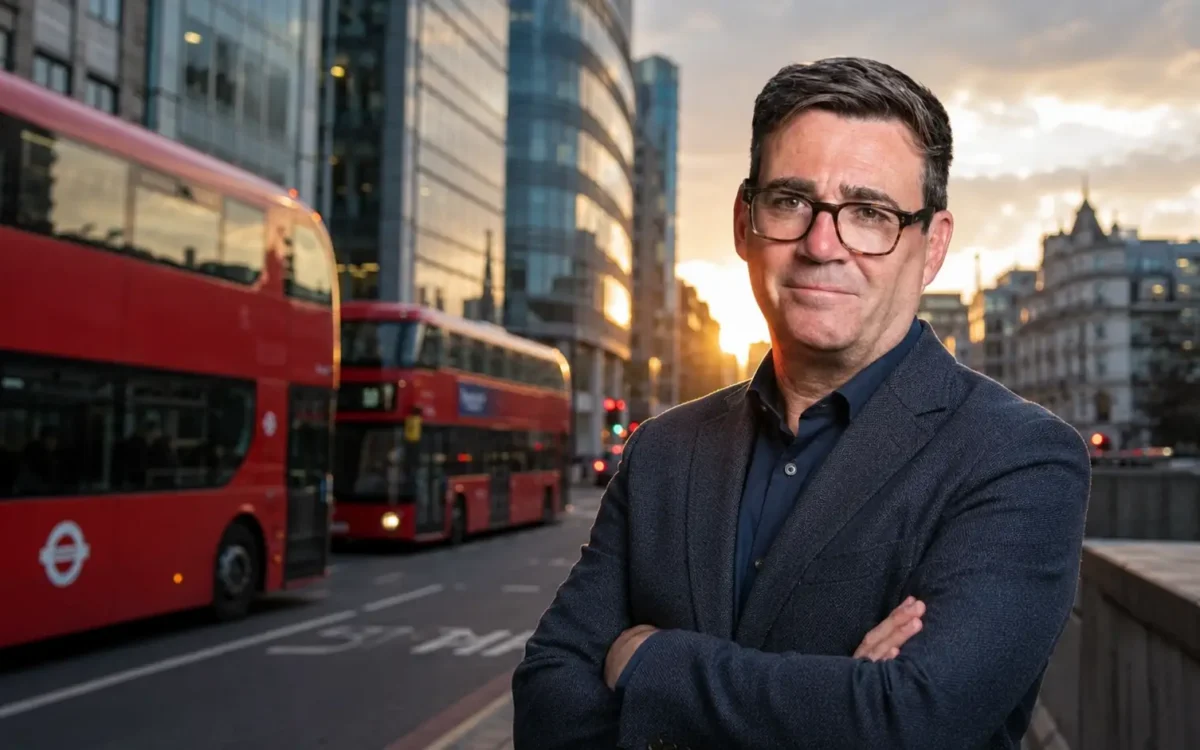
Most single bus journeys on participating services outside London will cost no more than £2 throughout 2027, under a government scheme aimed at easing household travel costs. London’s separate Transport for London fare system is not included.
Most single bus fares across England outside London will be capped at £2 from 1 January 2027, Prime Minister Andy Burnham has announced.
The cost-of-living measure will reduce the current national cap from £3 and remain in place until the end of 2027. It will apply to participating local bus services, meaning passengers should check with their operator before travelling.
The government said the policy would receive £400 million in additional funding for services in England. A wider £454 million package, including money for devolved governments, will be funded by reprioritising the Department for Energy Security and Net Zero’s budget and converting some planned international climate finance into loans.
Burnham said affordable transport was essential and that people should not be “priced out” of journeys to work, education, healthcare or leisure.
The announcement was made during Burnham’s first week as prime minister as his new government seeks to demonstrate early action on living costs. It follows a pledge to ask government departments to identify measures that could reduce pressure on household finances while remaining within existing borrowing rules.
How Much Could Passengers Save?
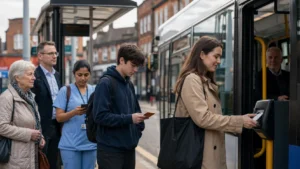
The cap does not mean every bus fare will automatically become £2. Journeys that already cost less should remain cheaper, while fares on participating routes that would otherwise exceed £2 will be limited to the new maximum.
Passengers currently paying the full £3 cap for two single journeys each working day could save £2 a day. That is £10 over a five-day week, or about £480 across 48 working weeks. This is an illustrative calculation rather than an official government estimate and does not account for season tickets, local discounts or days spent working from home.
The government said some uncapped single fares could exceed £10, particularly on longer rural and coastal routes. It expects the measure to help young people and people without access to a car reach employment, training and essential services.
The previous £2 national cap was introduced in January 2023 before being increased to £3. The £3 limit had been due to continue until March 2027, but the new announcement means fares will fall three months earlier rather than simply avoiding an increase in the spring.
Government figures suggest the earlier £2 scheme generated an estimated 30 million additional bus journeys within 10 months. However, fare reductions alone do not resolve wider complaints about route frequency, reliability or communities that have lost services.
Will London Bus Fares Be Reduced?
The national £2 bus fare cap will not apply to Transport for London services because London operates its own regulated fare system.
TfL currently charges £1.75 for an adult pay-as-you-go bus or tram journey. Its Hopper fare allows passengers to make unlimited bus and tram journeys within one hour for the same price, provided they use the same Oyster card, contactless card or device. The adult daily bus and tram cap is £5.25.
London residents could nevertheless benefit when using participating bus services elsewhere in England, including journeys made outside the capital for work, education or leisure.
The government is also supporting six mayoral authorities as they prepare bus-franchising systems, which allow local leaders to set routes, fares and service standards while private companies operate the vehicles. The approach follows Greater Manchester’s Bee Network, where Burnham introduced a £2 single fare during his time as mayor.
The existing £3 limit will remain on most participating services outside London until 31 December 2026. The £2 cap will then begin on 1 January and run for the remainder of 2027, with further information expected from local authorities and bus operators before the change takes effect.
“On his second day in Downing Street, Andy Burnham turned his Greater Manchester hallmark into national policy, cutting capped bus fares to £2.”
— Jermaine, Londoner Editorial
About the Journalist
Jermaines covers crime, legal affairs and money-related stories for Londoner. His reporting includes police updates, court cases, consumer rights, personal finance and cost-of-living issues. He handles sensitive subjects carefully and clearly distinguishes confirmed facts from allegations, estimates and ongoing investigations.