Harry Meghan Media Battle: Prince Harry Renews Legal Fight As Press Tensions Escalate
 Published By
Lucy
Published:
Updated:
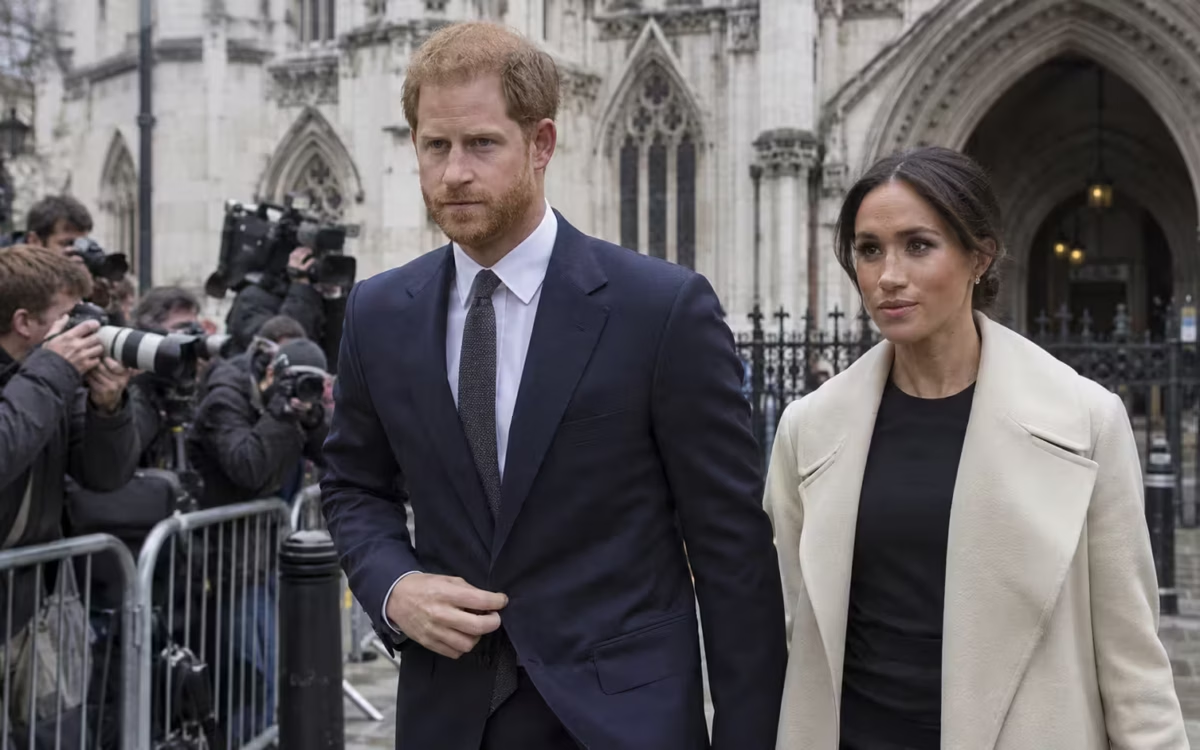
Table of Contents
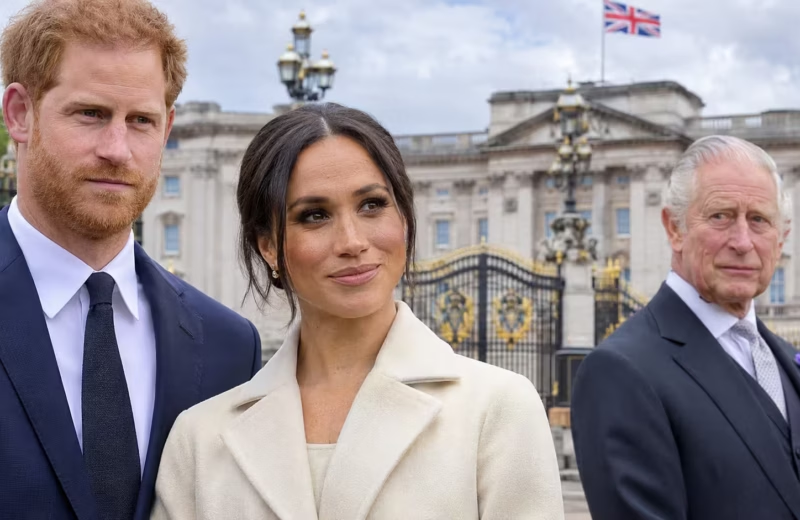
The Harry Meghan media battle has entered another significant phase as Prince Harry seeks to challenge a major court defeat involving the publisher of the Daily Mail. The latest development has renewed attention on the Duke and Duchess of Sussex’s long-running dispute with sections of the British press, particularly following their return to the United Kingdom.
Harry and Meghan have repeatedly spoken about the impact of intrusive reporting, public criticism and intense media scrutiny on their family.
Their decision to leave royal duties in 2020 was partly driven by concerns about press treatment, yet their return to Britain has placed them back at the centre of national attention.
The latest legal action raises questions about press accountability, personal privacy and whether the Sussexes can establish a more peaceful relationship with the British media.
Why Is Prince Harry Continuing His Legal Battle Against the British Press?
Prince Harry’s latest challenge concerns his unsuccessful privacy case against Associated Newspapers Limited, publisher of the Daily Mail and Mail on Sunday.
On 6 November 2026, Harry and five other prominent claimants filed applications seeking permission to appeal against the High Court’s dismissal of their claims and a subsequent legal costs order.
The group includes Sir Elton John, David Furnish, Baroness Doreen Lawrence, Elizabeth Hurley and Sadie Frost.
Their original case alleged that unlawful information-gathering methods had been used to obtain private details for newspaper stories. The allegations included voicemail interception, telephone tapping and obtaining information through deception.
Associated Newspapers strongly denied the accusations, maintaining that its journalists relied on legitimate reporting methods and lawful sources.
Following an extensive trial, Mr Justice Nicklin dismissed the claims in July 2026, finding that the claimants had not established that the disputed information was obtained unlawfully.
The legal consequences have been substantial. In August, the court ordered the claimants to make an initial payment of approximately £9.5 million towards the publisher’s legal costs, with the final amount subject to further determination.
According to ITV News, the claimants’ representatives argued that the decisions contained legal and factual errors.
However, filing an application for permission to appeal does not mean that an appeal has been granted or that the earlier judgment has been overturned.
For Harry, the dispute is part of a wider campaign against what he considers unacceptable newspaper practices. He previously secured a legal victory against Mirror Group Newspapers and reached a settlement with News Group Newspapers.
Those earlier outcomes demonstrate that his legal challenges have produced different results across separate cases.
The latest application suggests that Harry remains determined to pursue the matter despite the financial risks and the High Court’s rejection of his claims.
How Has Meghan Markle Become Central to the Media Battle?
Although Meghan is not a claimant in Harry’s latest Associated Newspapers appeal, her experiences with British newspapers have played a major role in the couple’s wider dispute with the media.
Since joining the Royal Family, Meghan has faced extensive coverage of her relationships, public appearances, professional decisions and personal life.
Harry has repeatedly argued that intense scrutiny of his wife has affected their family’s wellbeing. He has also drawn comparisons between Meghan’s treatment and the experiences of his mother, Princess Diana.
The couple’s concerns became particularly prominent during their decision to step away from official royal duties.
In subsequent interviews, their Netflix documentary and Harry’s memoir Spare, they publicly criticised aspects of their treatment by both the media and the Royal Family.
These revelations generated considerable attention but also intensified disagreements about how much of their private lives the Sussexes should share publicly.
Supporters argue that Harry and Meghan have a legitimate right to challenge damaging or intrusive coverage, regardless of their public status.
Critics maintain that their decision to discuss private family matters through interviews, documentaries and commercial projects has increased the level of scrutiny surrounding them.
The disagreement highlights a central issue in the Harry Meghan media battle: the distinction between public interest and an individual’s right to privacy. Meghan has also pursued legal action over newspaper coverage.
Her successful privacy and copyright case against the Mail on Sunday, concerning publication of extracts from a letter to her father, became another prominent example of the couple’s disputes with the press.
Meanwhile, speculation about the Sussexes’ personal relationship continues to attract attention.
Recent Harry and Meghan fight rumours have demonstrated how quickly commentary about their marriage can spread, even when claims are not supported by confirmed evidence.
Their public appearances together do not reveal every aspect of their private relationship, and unverified reports should not be treated as established facts.
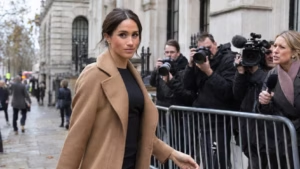
Why Has Harry and Meghan’s Return to Britain Increased Media Scrutiny?
The Sussexes’ return to the United Kingdom has introduced fresh complications into their relationship with the British media.
After spending approximately six years based mainly in California, Harry and Meghan returned to Britain with their children, Prince Archie and Princess Lilibet, in August 2026.
The move created new interest in their family arrangements, security concerns, charitable commitments and relationship with King Charles.
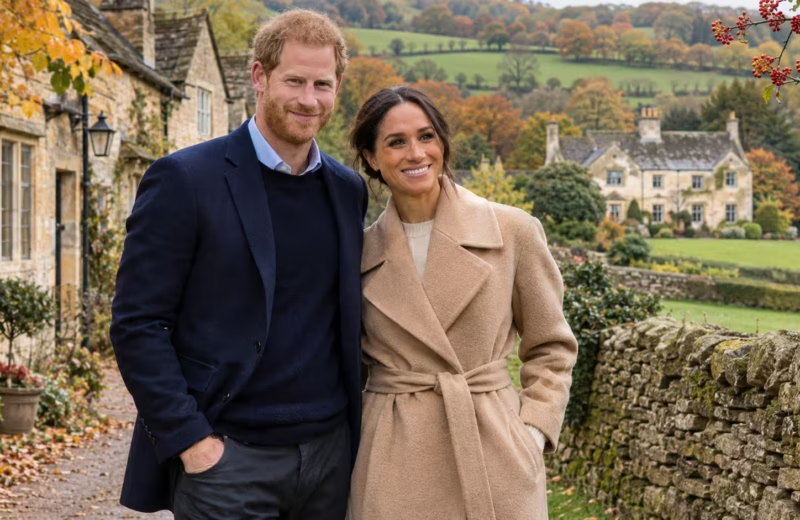
Their reported move to the Cotswolds has also attracted attention, although the exact details of their private living arrangements have not been publicly confirmed.
For a couple who previously identified media pressure as a significant reason for leaving Britain, their return presents an obvious challenge.
They want to maintain professional independence while protecting their children’s privacy and managing renewed attention from photographers and royal commentators.
The difficulties extend beyond traditional newspaper reporting.
Social media speculation, entertainment coverage and public reactions to their commercial projects can spread rapidly, making it harder to control inaccurate or misleading narratives.
Reuters reported in August that publicity surrounding Meghan’s possible involvement in a British television production illustrated both the advantages and disadvantages of the couple’s considerable public profile.
Their international recognition can attract attention to businesses and charitable causes, but negative headlines can also overshadow those activities.
Another important development concerns their relationship with Buckingham Palace.
King Charles has reaffirmed that Harry and Meghan remain outside the group of working royals, despite their return to Britain.
The clarification of Harry and Meghan’s non-working royal status means their charitable work, commercial activities and public appearances remain separate from official duties undertaken on behalf of the monarch.
This distinction matters because their public visibility could otherwise create confusion about whether they represent the Royal Family in an official capacity.
Their return also raises practical concerns about security, especially when attending public engagements or travelling with their children.
While the couple may hope to establish a quieter family routine, their continued public prominence means media attention is unlikely to disappear entirely.
What Could Happen Next in the Harry Meghan Media Battle?
The immediate focus remains Prince Harry’s application for permission to appeal the High Court ruling involving Associated Newspapers.
If permission is granted, the legal dispute could continue through further proceedings. If it is refused, Harry and the other claimants would face another significant setback in their attempt to challenge the original findings.
The potential financial consequences remain important, particularly because the court has already made a substantial costs order.
However, the wider Harry Meghan media battle extends beyond a single courtroom dispute.
The Sussexes continue to face difficult questions about public communication, commercial independence and the protection of their family life.
Their return to Britain creates opportunities to strengthen personal connections, support British charities and rebuild relationships that have attracted considerable public attention.
At the same time, renewed media scrutiny could test their ability to establish the private family environment they have repeatedly said they want.
There is also a broader debate about press freedom and accountability. Newspapers have a legitimate role in reporting on influential public figures, but that responsibility must operate within established privacy laws and professional standards.
For Harry and Meghan, finding a workable balance between visibility and privacy may prove as challenging as their legal disputes.
The coming months could determine whether Harry’s latest court challenge advances, while the Sussexes’ future relationship with the British press remains an unresolved part of their return to royal life in Britain.
About the Journalist
Lucy reports on London’s boroughs and the capital’s sporting community. Her coverage includes council decisions, neighbourhood developments, community issues, football, tennis, cricket and major sporting events. She focuses on stories that connect local communities and highlight the people and organisations shaping London.