UK Cold Snap November Forecast: Met Office Explains When Colder Weather Could Arrive
 Published By
Jermaine
Published:
Updated:
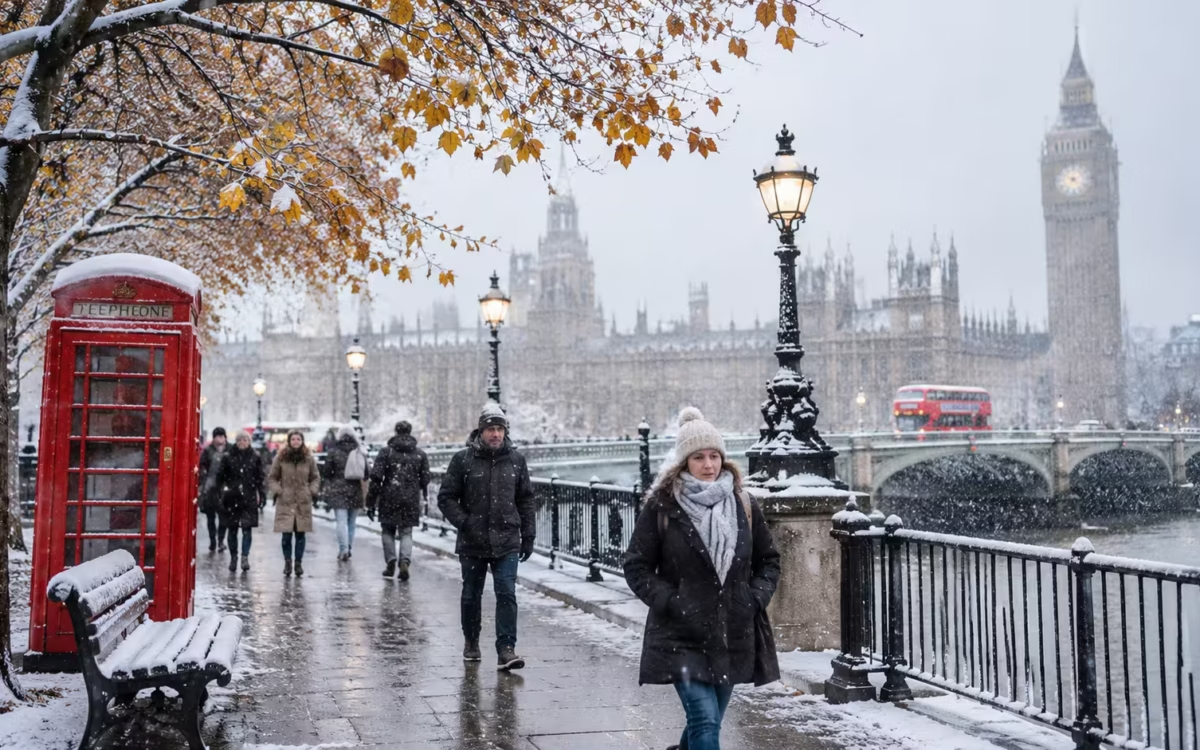
Table of Contents
The UK could experience colder conditions during November 2026, including overnight frost, fog and a possible brief outbreak of wintry weather in northern areas.
However, the Met Office says its latest forecast does not support claims that a widespread big freeze or disruptive snowfall is imminent.
As of Friday, 6 November, forecasters expect temperatures to remain broadly typical for November, even though cloudy skies and damp conditions may make some days feel especially chilly.
A potential change towards colder air later next week remains uncertain, while the second half of November could bring more unsettled Atlantic weather.
The distinction matters after dramatic forecasts suggested that large parts of Britain were about to be covered in snow.
In a weather headline review published on 5 November, the Met Office challenged suggestions of a nationwide freeze, explaining that occasional frosty nights should not be confused with a prolonged cold snap.
For Londoners and households across the country, the immediate concerns are more likely to involve poor visibility, damp roads and colder mornings than widespread snowfall.
The forecast could still change as new weather systems develop, particularly beyond the next seven to ten days. At that range, small shifts in atmospheric pressure can alter the paths of rain-bearing fronts and colder air masses.
When Will the UK Cold Snap Arrive in November?
During the weekend of 7–8 November, high pressure is expected to influence conditions across much of the country.
Winds should generally be light, with variable cloud, occasional showers and the possibility of fog and frost forming overnight where skies clear.
North-western Scotland and parts of Northern Ireland are among the places more likely to experience colder, clearer nights initially.
Across England and Wales, stubborn cloud could prevent a sharp overnight temperature drop in some areas, although lingering fog can make daytime conditions feel colder than the thermometer suggests.
The Met Office expects a change from around Tuesday, 10 November, as high pressure gradually moves east and weather fronts attempt to approach from the southwest.
Southern Britain could become milder and wetter for a time, while northern areas may remain relatively drier.
Towards the end of the following week, around mid-November, there is a possibility of colder conditions spreading southwards from northern Britain. Forecasters stress that the strength, timing and geographical reach of this development are uncertain.
Even if it happens, a short-lived chilly spell would not necessarily amount to a nationwide freeze.
One concern before any significant cold outbreak is visibility. Light winds and moist air can allow mist and dense fog to build overnight, sometimes lingering into the morning rush hour.
Similar conditions featured in the Met Office fog warning affecting UK travel at the end of October.
The wider outlook from 20 November into early December suggests a greater chance of rain and potentially strong winds, particularly across western and northern districts.
Temperatures are expected to be near or above average for much of that period, although colder interludes remain possible, especially towards the end of the month.
Will It Snow in London, Scotland or Other Parts of Britain?
Snow is possible in parts of the UK during November, but there is currently no reliable forecast for widespread, disruptive snowfall across the country.
The Met Office has specifically rejected headlines implying that dozens of counties are certain to be blanketed in snow within days.
The greatest possibility of wintry showers in its latest longer-range outlook concerns northern Britain if colder air arrives around the middle of the month.
Scottish high ground would generally be more favourable for snow than low-lying southern England, although the precise locations cannot yet be forecast confidently.
Scotland could therefore experience a different pattern from southern England. Higher elevations may turn wintry during a colder outbreak, while coastal and lowland communities could see rain, showers or simply cold, cloudy conditions.
Northern England and Northern Ireland also face uncertainty over how far any cold air might extend.
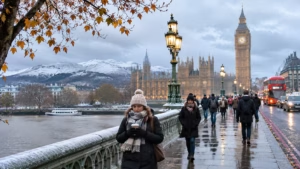
For London, the immediate outlook is comparatively ordinary. Early-November forecasts point towards mostly cloudy weather, some rain, mist and fog, with temperatures generally around seasonal levels.
There is no confirmed forecast of snow settling across the capital during the coming days.
That does not mean London cannot experience frost. A clear, calm night can be cold enough for frost to form on grass, cars and exposed surfaces even when the following afternoon is relatively mild.
Urban streets can also be warmer than nearby rural areas, producing noticeable differences over short distances.
Weather maps showing blue or purple shading should be treated carefully. They may represent one possible model outcome, temperatures high above the ground or an isolated scenario rather than a confident prediction of snow at street level.
Snow requires the right combination of moisture and sufficiently cold air throughout the atmosphere. Forecast confidence becomes lower further into the future, so precise claims about a particular London snowfall date this month would be premature.
What Could November’s Colder Weather Mean for Travel and Households?
Even without a severe cold snap, fog and frost can disrupt journeys. Drivers should check the latest local forecast before early departures, allow extra time and be prepared for visibility to deteriorate suddenly in rural areas and on exposed routes.
Under the Highway Code, motorists must use headlights when visibility is seriously reduced, generally below 100 metres. Fog lights may be used when necessary but must be switched off when visibility improves.
On icy roads, gentle braking and greater stopping distances are essential.
Rail passengers and people travelling through airports should also check operator updates if fog is forecast. Low cloud can reduce visibility at airports, while local frost may create slippery platforms, pavements and untreated roads.
None of these hazards requires a nationwide weather warning to affect individual journeys.
For electric-car owners, falling temperatures can increase energy consumption because batteries perform differently in the cold and cabin heating uses electricity.
Drivers planning longer journeys may wish to consider these seasonal changes alongside the cost of charging an electric car in the UK.
At home, attention will increasingly turn to heating bills. Some households already face difficult choices about keeping warm, making discussions around winter energy bill support particularly relevant as temperatures fall.
Proposals for financial assistance should not be mistaken for support that has been formally approved.
Public health guidance recommends keeping homes comfortably warm, particularly for older people, young children and those with existing health conditions.
A temperature of at least 18°C is commonly advised for people at greater risk from cold, although individual needs vary.
Residents can also reduce avoidable problems by checking their heating systems, keeping essential medication available and looking out for neighbours who may struggle during colder nights.
These are sensible winter precautions rather than evidence that a major freeze has been forecast.
The key message for November is caution, not alarm. Frosty mornings and a possible colder spell in the north remain plausible, but the Met Office currently expects a mixture of cloud, rain, occasional sunshine and changeable temperatures rather than a prolonged nationwide freeze.
Anyone making travel plans should follow updated local forecasts and official warnings as the month progresses.
About the Journalist
Jermaines covers crime, legal affairs and money-related stories for Londoner. His reporting includes police updates, court cases, consumer rights, personal finance and cost-of-living issues. He handles sensitive subjects carefully and clearly distinguishes confirmed facts from allegations, estimates and ongoing investigations.