Man Finds Three-foot Grass Snake In Bracknell Toilet
 Published By
Adam
Published By
Adam
Published:
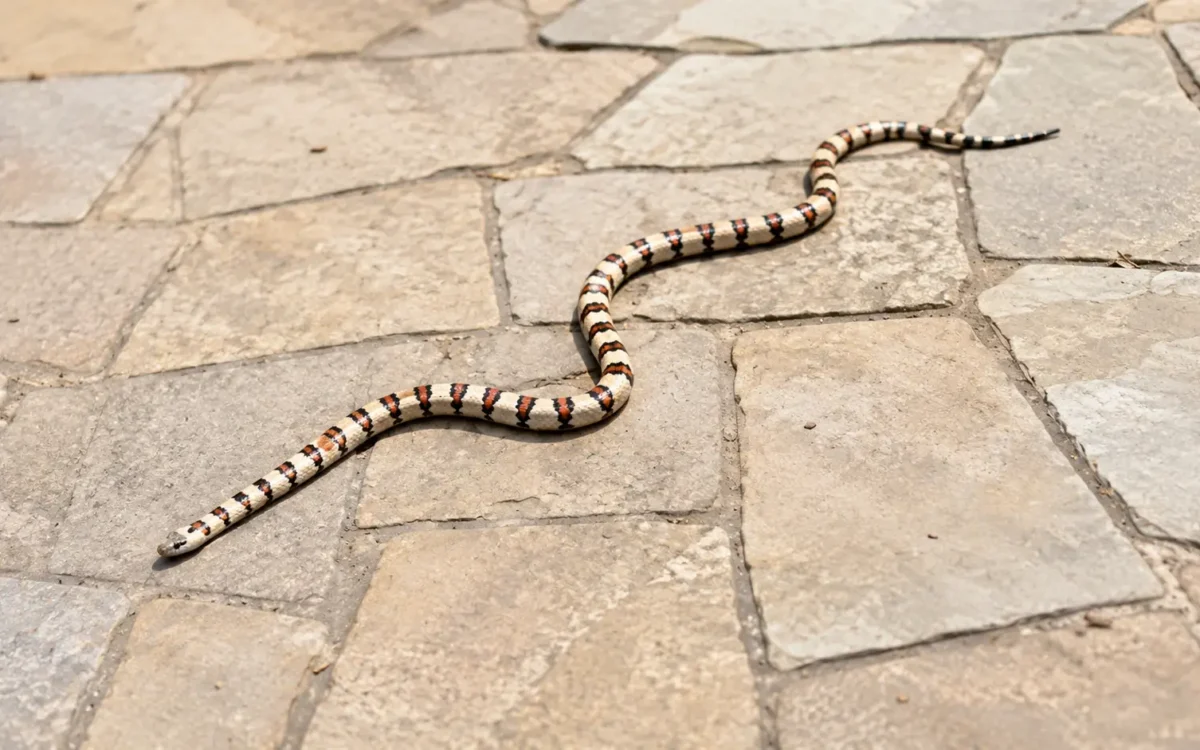
A 79-year-old Bracknell resident discovered a grass snake emerging from his downstairs toilet before removing the unexpected visitor with barbecue tongs and releasing it into his garden.
A man in Bracknell was confronted by an unusual bathroom visitor after lifting his toilet lid and finding a three-foot grass snake inside the bowl.
David Claridge, 79, made the discovery at his home in the Berkshire town on the morning of Tuesday, 18 August. He initially spotted a yellow-and-black shape protruding from the water before realising it was a snake measuring about 0.9 metres long.
“I thought I must be seeing things,” Mr Claridge said of the moment he noticed the reptile. After deciding it was a grass snake, he used a pair of barbecue tongs rather than handling it directly and carried it outside.
The snake briefly headed back towards the house after being released, according to Mr Claridge, before he guided it towards the grass and it disappeared.

How the reptile reached the toilet has not been independently established. Mr Claridge believes it may have travelled through the drainage system while looking for water during the recent hot weather.
He said the toilet drains into a system close to a rainwater drain and suggested this could have provided a route into his home. That remains his explanation for the encounter rather than a confirmed finding about the snake’s journey.
There was briefly another possible explanation. A nearby resident contacted Mr Claridge because he thought the reptile might be his escaped pet spider python. However, that snake was subsequently found safe, confirming the animal removed from the toilet was not the missing pet.
The incident may be extraordinary inside a house, but grass snakes themselves are well established around Bracknell.
Bracknell Forest Council says grass snakes and adders are among four native reptile species recorded within the borough, alongside common lizards and slow worms.
The council carries out regular reptile monitoring at heathland sites including Caesar’s Camp, Englemere Pond, Wildmoor Heath and Buckler’s Forest.
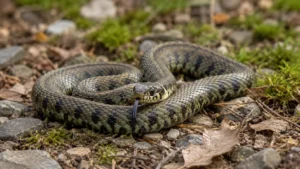
Its latest published monitoring figures show nine grass snake records at Caesar’s Camp and 13 at Englemere Pond during 2025. Englemere’s reed beds and shallow water are specifically identified by the council as habitat used by grass snakes, with sightings more likely in warmer conditions.
The RSPCA describes grass snakes as widespread across England and Wales, including in gardens, and says they can grow to more than a metre long. They can be distinguished by a collar behind the head, while the charity identifies the adder as Britain’s only venomous snake.
For people who encounter a native British snake outdoors, the RSPCA’s advice is to leave it undisturbed unless it appears sick or injured. Non-native snakes, which may be escaped pets, should be approached differently: people are advised to keep their distance and contact the charity.
Mr Claridge believes removing the grass snake may ultimately have helped it, saying he had probably given it a “new lease of life” before it vanished into the garden.
About the Journalist
Adam reports on London news, events and local developments. His coverage includes festivals, exhibitions, public announcements, community stories and important updates affecting people across the city. He aims to provide timely and accessible reporting on what is happening in London.